

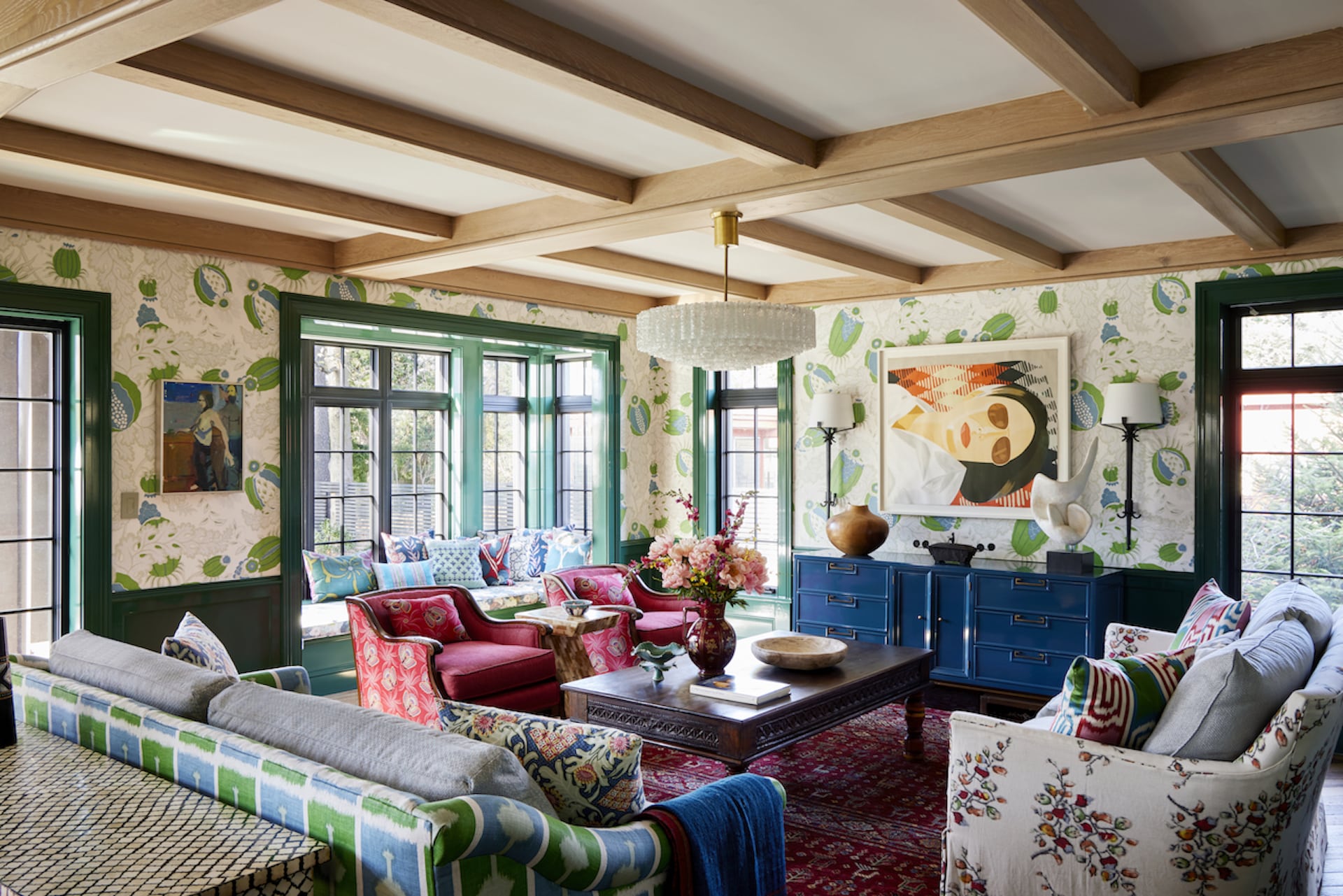
Pushing Style & Design to the Max: A Guide to Maximalist Interior Design
If minimalism is a quiet whisper, maximalism speaks with confidence. Its philosophy is refreshingly straightforward: more is more.
For years, we’ve embraced the minimalist mindset: less is more. Declutter your space. Trade bold colors for calming neutrals. Let simplicity reign. But what if we celebrated the opposite?
Enter maximalism, the vibrant, unapologetic design philosophy that walks into a room and leaves a lasting impression. If minimalism is a quiet whisper, maximalism speaks with confidence. Its philosophy is refreshingly straightforward: more is more.
Think fearless color palettes, richly layered textures, personality-filled patterns, and thoughtfully collected objects that each have a story to tell. Every room becomes an expression of individuality, where every corner sparks conversation. If your home’s style had a personality, maximalism would undoubtedly be the life of the party. So, consider this your invitation to embrace the bold. One thing is certain: for the remainder of this article, we’ve already shown minimalism the door.
While maximalism may feel like a fresh response to years of pared-back interiors, its roots run much deeper. Drawing inspiration from the grandeur of the Baroque era and the richly layered homes of the Victorian period, maximalist design celebrates collecting meaningful objects, mixing patterns with purpose, and filling a home with character. Rather than striving for restraint, it embraces abundance, but with intention.
Mix with Confidence

At the heart of maximalism is the freedom to mix styles without hesitation. Traditional furnishings sit comfortably alongside contemporary pieces. Vintage heirlooms complement modern art. Refined details meet playful accents, creating interiors that feel collected over time rather than purchased all at once.
The same philosophy applies to materials. Velvet, linen, wood, stone, brass, woven fibers, ceramics, and natural finishes all work together to create depth, warmth, and visual richness. Layering these textures transforms a room into an experience, inviting both the eye and the hand to explore every surface.
Bold Palettes & Confident Color
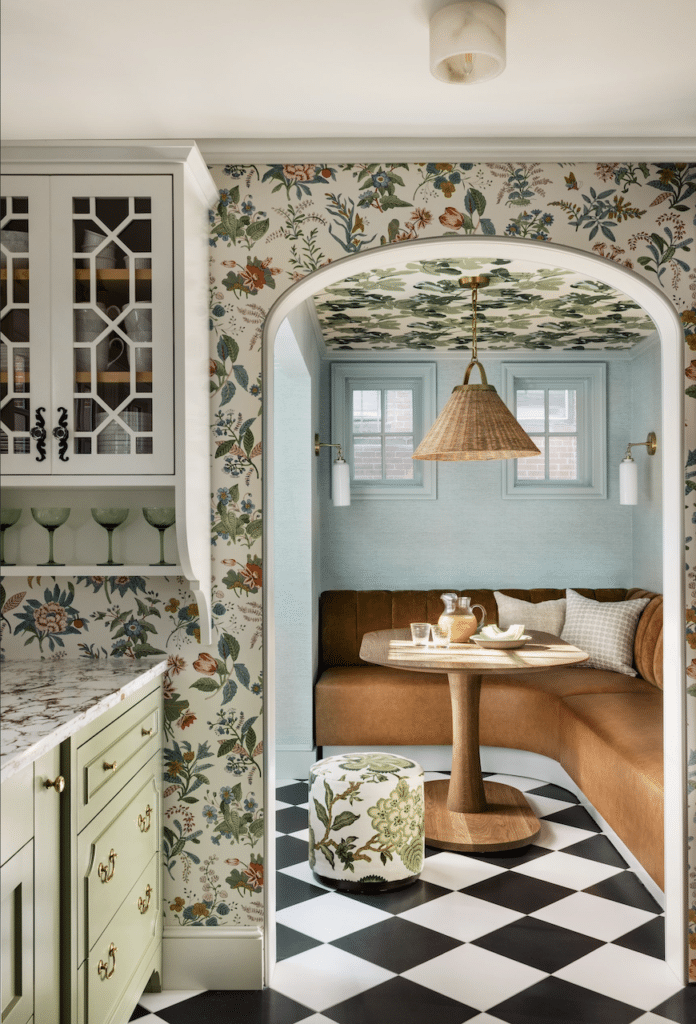
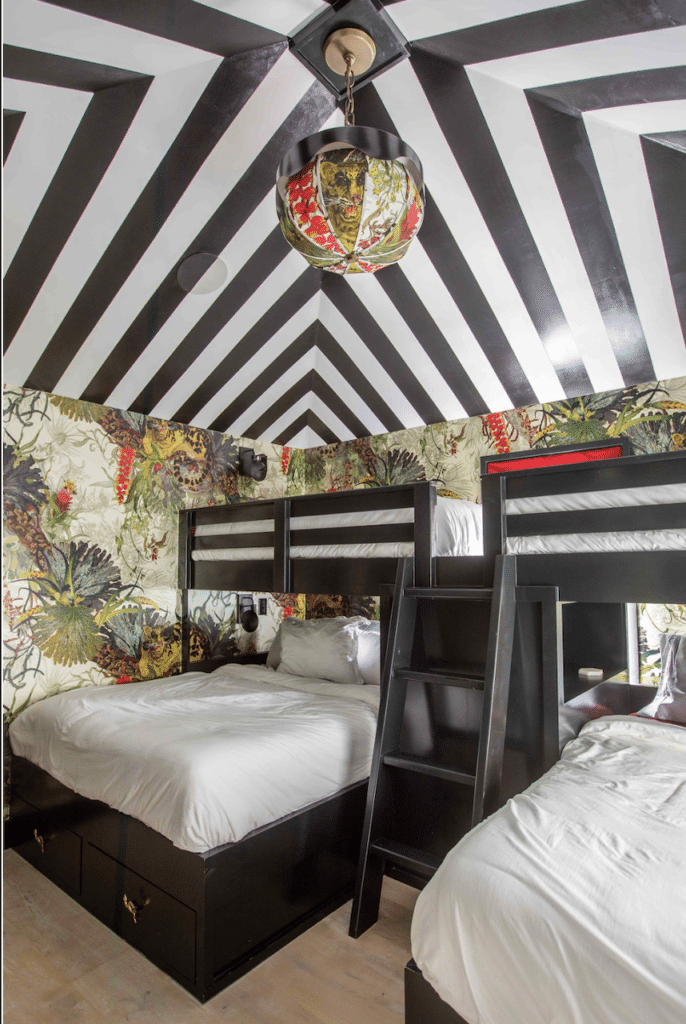
Color is one of maximalism’s defining characteristics, and neutrality rarely takes center stage. Jewel tones, saturated hues, unexpected color pairings, and dramatic contrasts create spaces that feel energetic and expressive.
Rather than relying on a single statement color, maximalist interiors often layer complementary shades throughout a room, allowing every element to contribute to the overall composition. The result is cohesive, vibrant, and undeniably memorable.
Pattern on Pattern
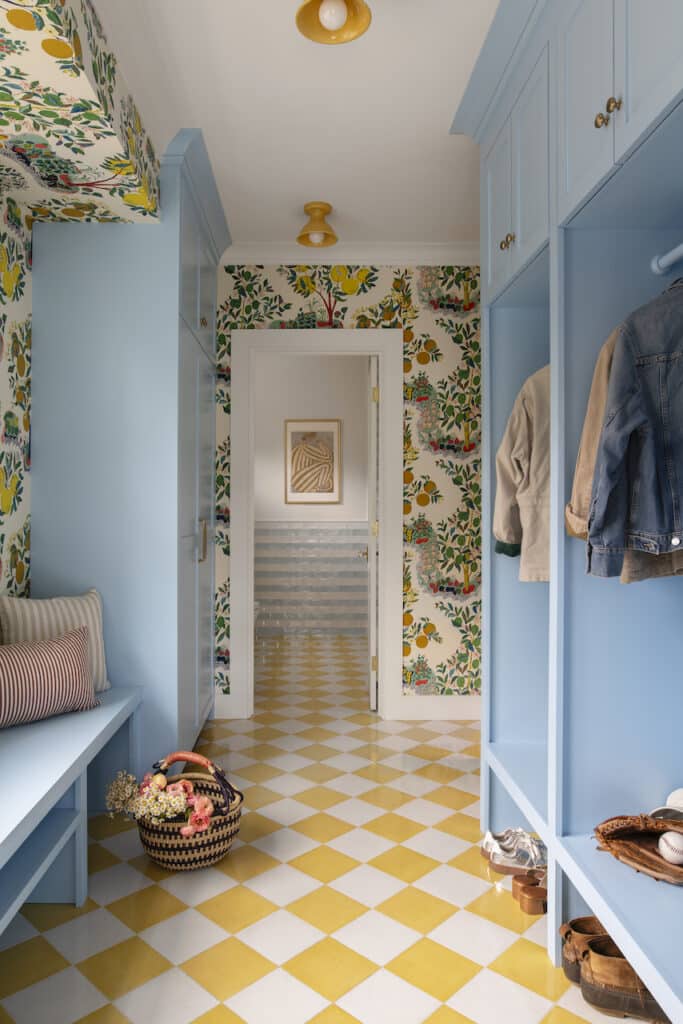
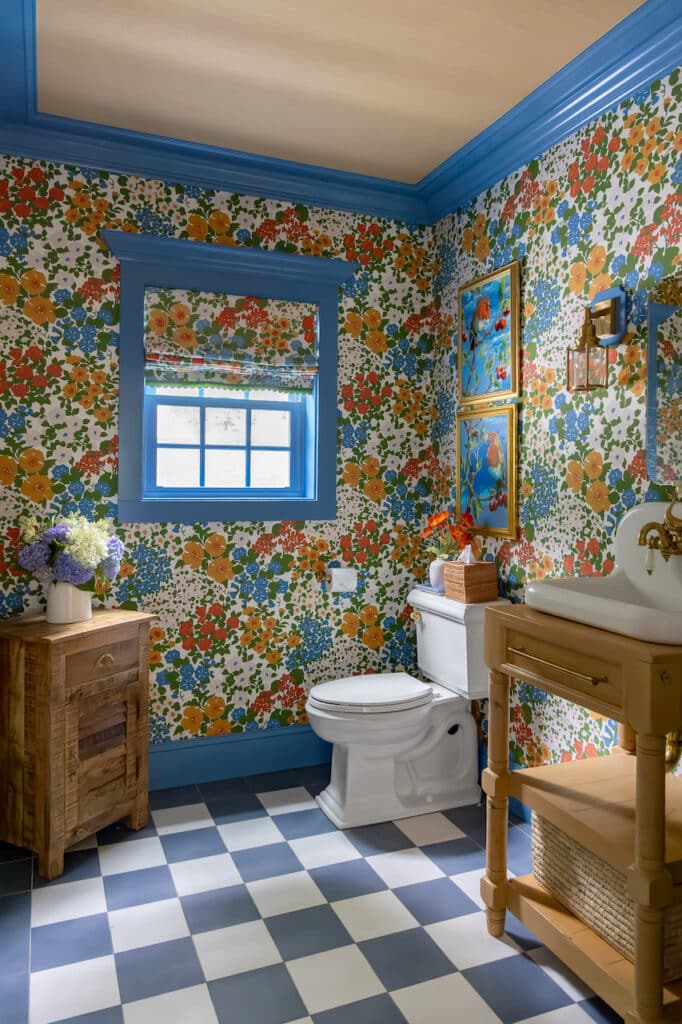
In maximalist interiors, patterns are meant to collaborate rather than compete. Florals mingle with stripes. Geometric prints balance organic motifs. Chinoiserie, checks, animal prints, and botanical wallpapers all find common ground through thoughtful repetition of color, scale, or texture. The secret isn’t matching everything perfectly, but creating enough visual rhythm that the room feels intentional rather than overwhelming.
Layers Upon Layers of Texture
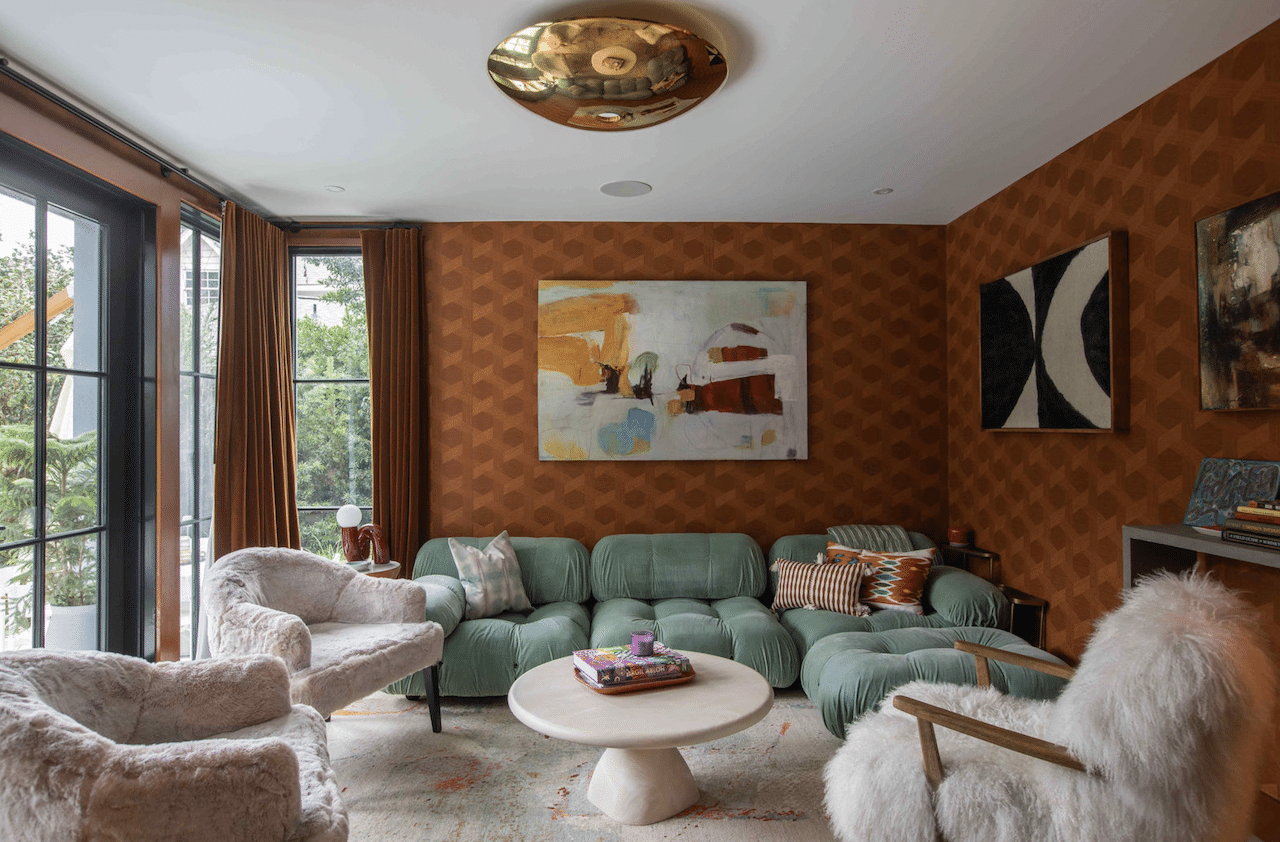
Texture is what gives maximalism its sense of luxury and comfort. Soft upholstery paired with polished stone, antique woods against glossy lacquer, woven baskets beside sculptural ceramics- where each layer adds dimension and creates a home that feels warm, lived-in, and inviting.
The most memorable maximalist spaces engage all the senses, proving that great design isn’t just seen; it’s experienced.
Wallpaper Galore
If there’s one place maximalism truly shines, it’s on the walls.
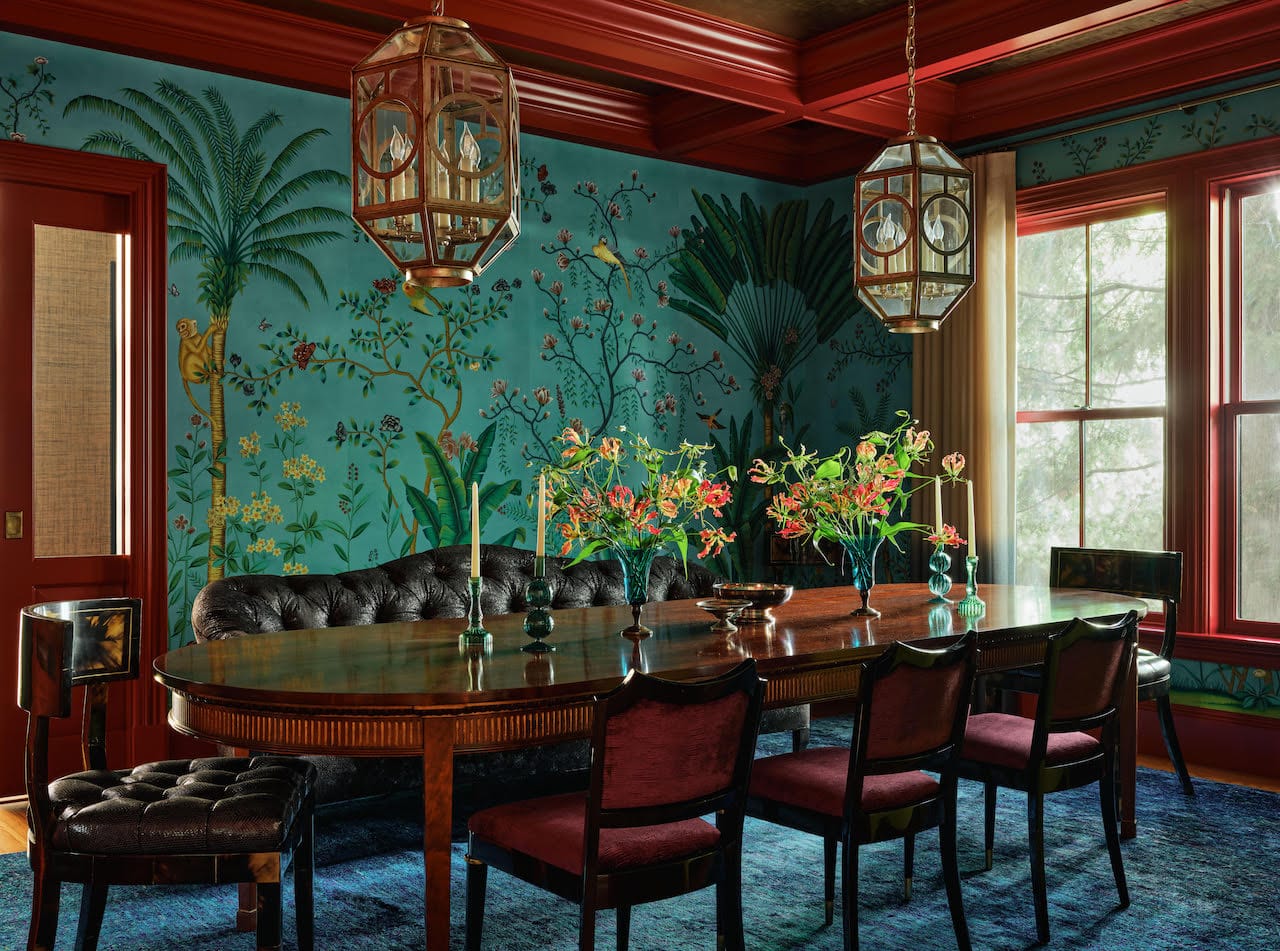
From oversized botanicals and intricate murals to richly colored damasks and whimsical illustrations, wallpaper becomes more than a backdrop – it becomes artwork. Whether enveloping an entire room or creating a dramatic accent wall, wallpaper adds instant personality and depth while setting the tone for the entire space.
Curation vs. Clutter: The Art of Collecting
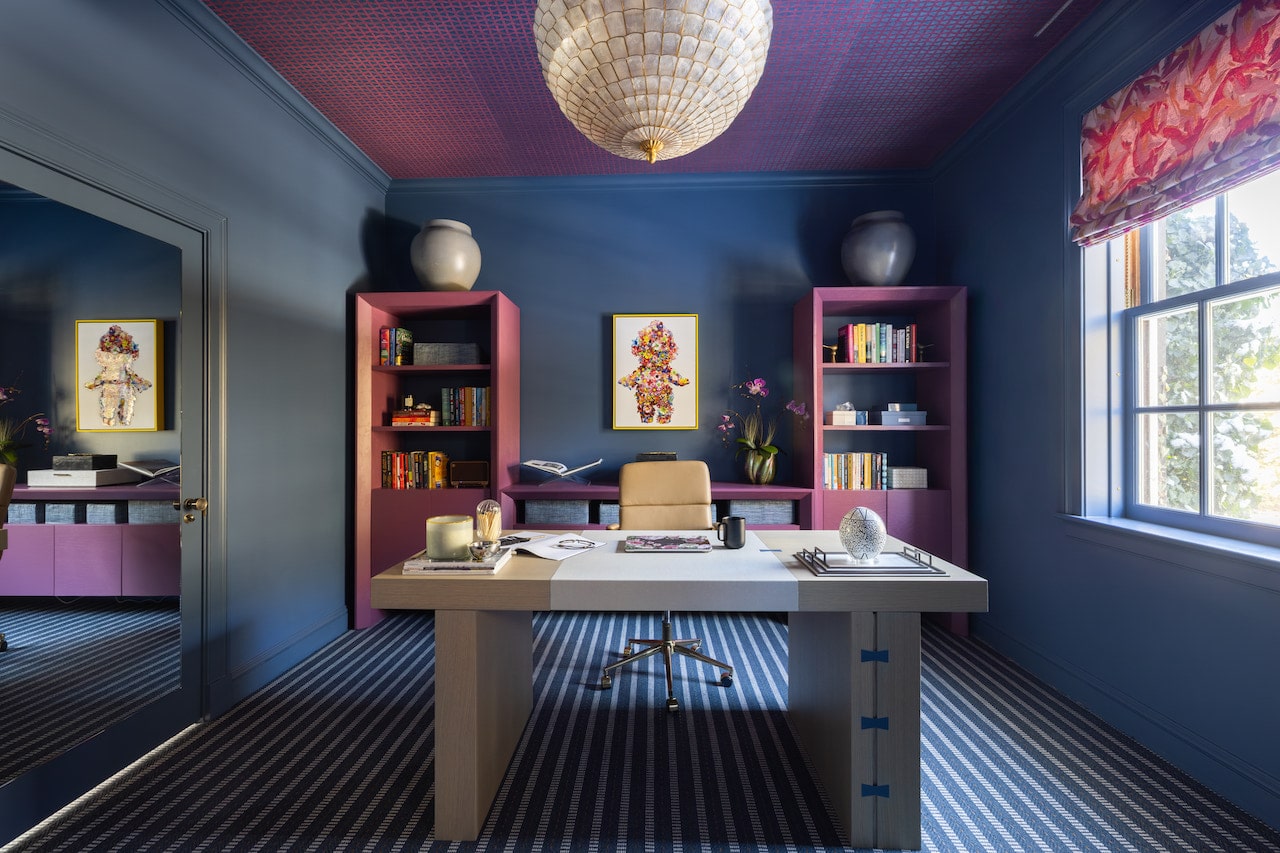
Perhaps the biggest misconception about maximalism is that it’s simply “more stuff.” In reality, successful maximalism is rooted in thoughtful curation. There is a fine line between clutter and collection, and that distinction comes down to intention.
Where minimalism asks us to edit, maximalism encourages us to celebrate the pieces that tell our story. Artwork gathered during travels, treasured family heirlooms, handcrafted ceramics, beloved books, vintage finds, and meaningful keepsakes all contribute to a home that feels deeply personal.
Whether valued for their beauty, craftsmanship, history, or sentimental significance, these objects deserve more than storage – they deserve to be part of the conversation.
Making the Most of Your Walls
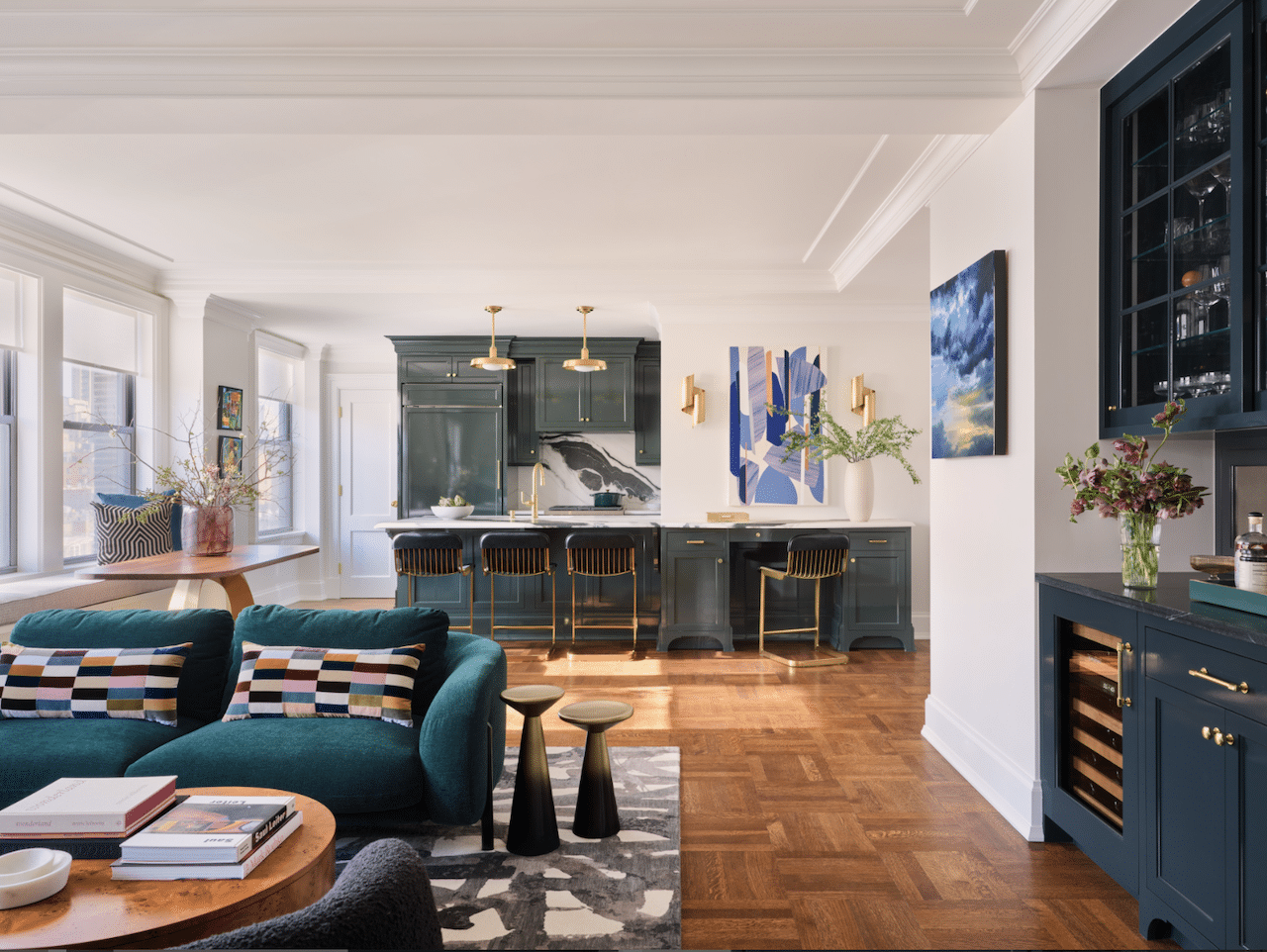
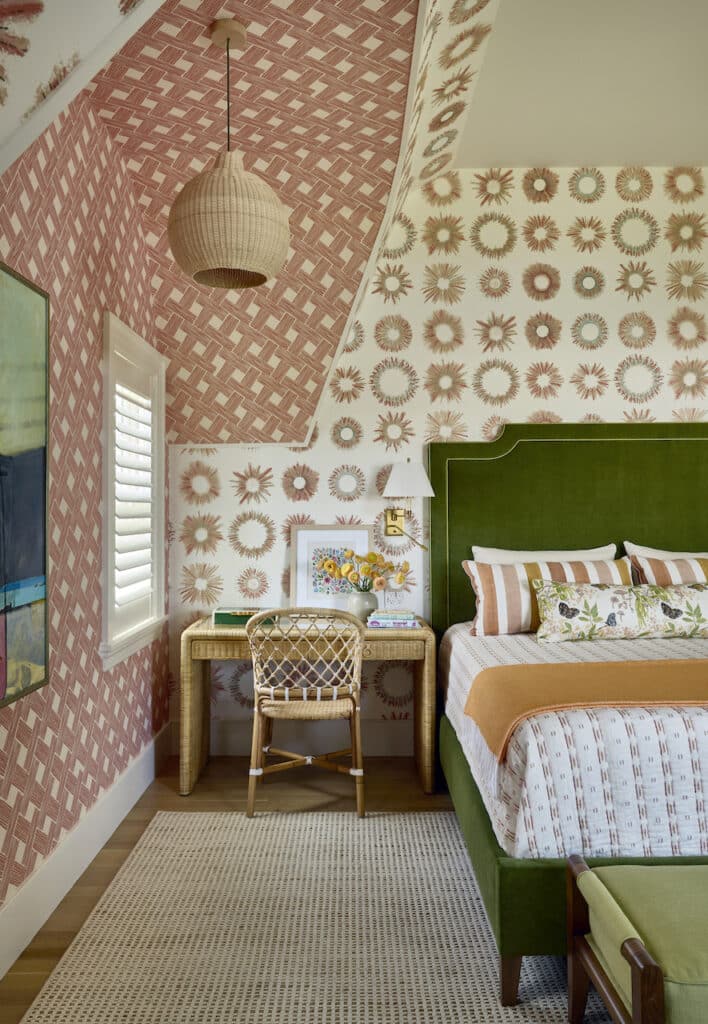
Walls become an opportunity for self-expression through layered artwork, decorative mirrors, sculptural lighting, floating shelves, and thoughtfully arranged collections. Gallery walls don’t have to be perfectly symmetrical; in maximalist design, character often outweighs perfection.
Eclectic Accessories
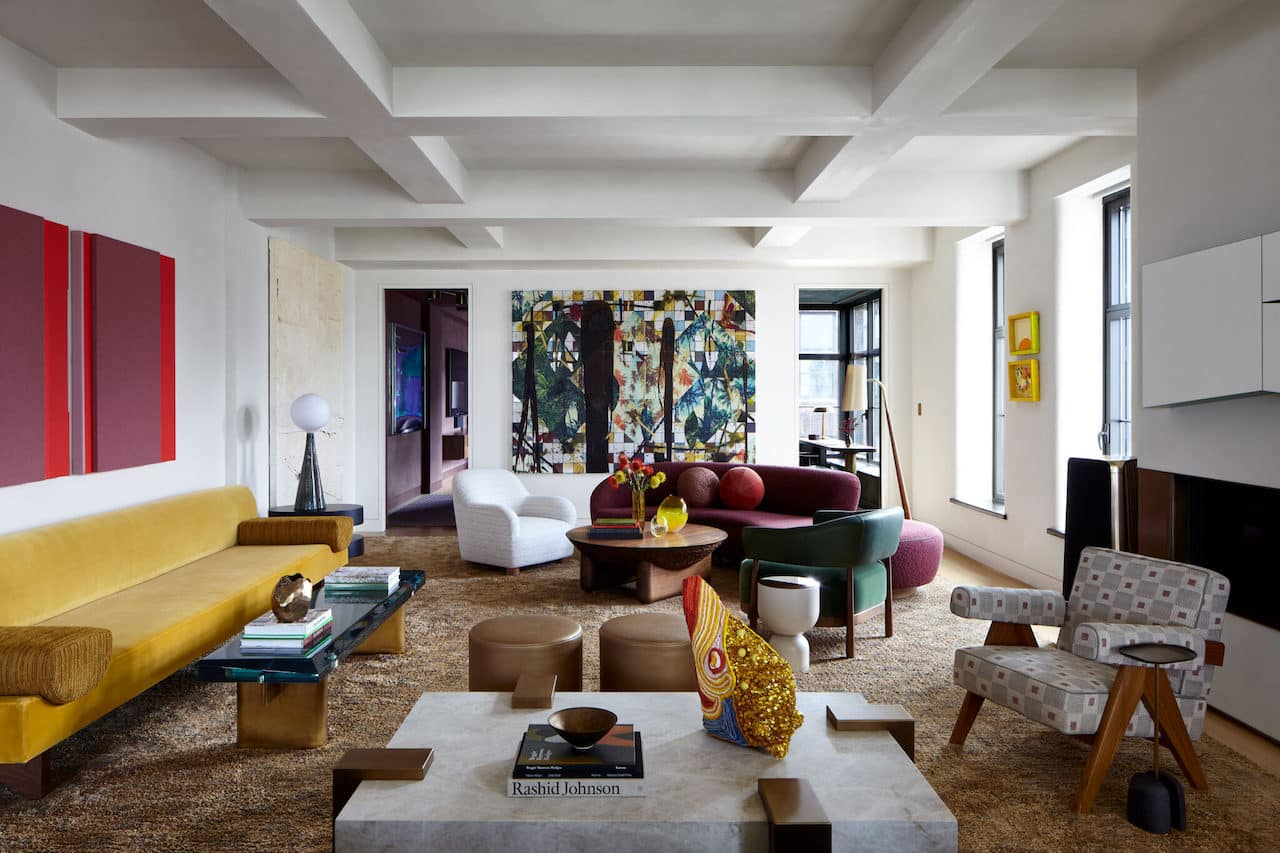
Accessories are where personality truly comes alive. Sculptural vases, colorful lamps, stacked books, collected treasures, oversized plants, decorative trays, textiles, and one-of-a-kind objects add the finishing layers that make a home feel lived in and uniquely yours.
The beauty lies in embracing the unexpected while allowing every piece to contribute to the home’s larger story.
Bold Statements & Fearless Accents
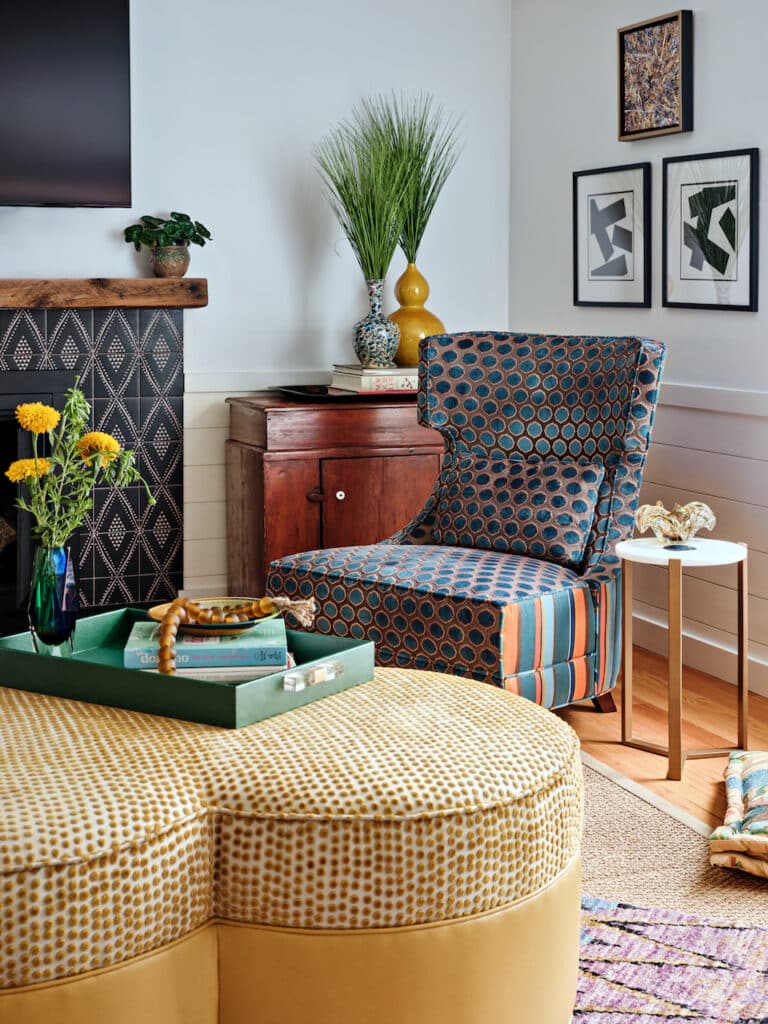
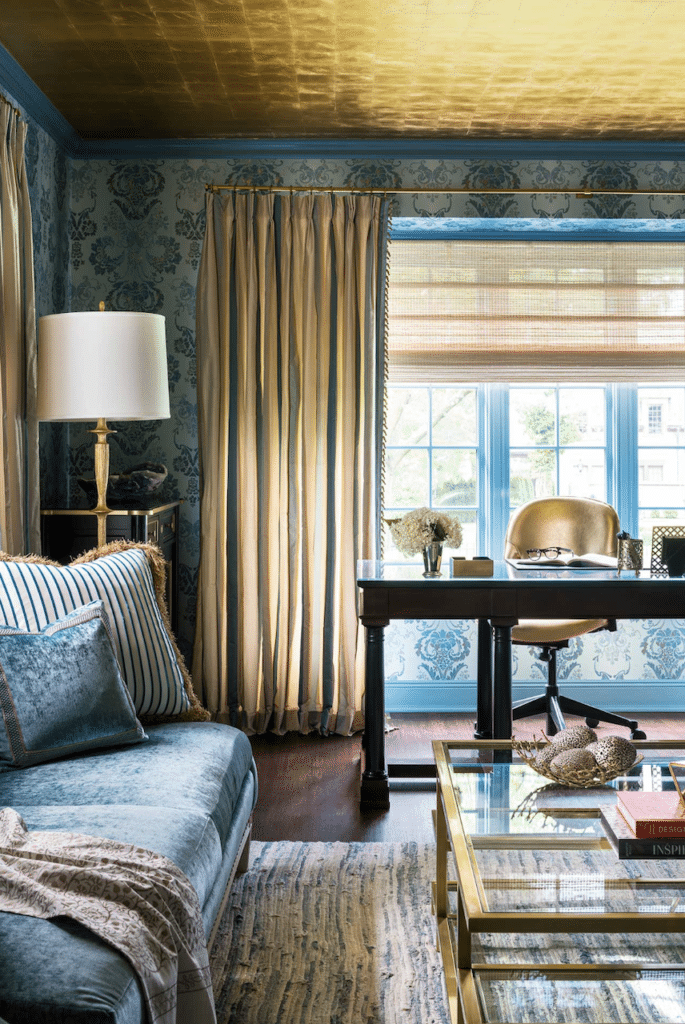
Maximalism is certainly bold, but bold doesn’t have to mean chaotic.
At its best, maximalism is creative, intentional, and deeply personal. It’s about designing with confidence rather than following rules, celebrating the things that bring you joy, and creating spaces that reflect who you are instead of what’s trending.
Perhaps that’s why maximalism feels so refreshing today. After years of restraint, it’s a reminder that homes are meant to be lived in, collected over time, and filled with personality. Think of it as minimalism’s outgoing, extroverted sibling: charismatic, expressive, and always ready to make an unforgettable entrance.
