

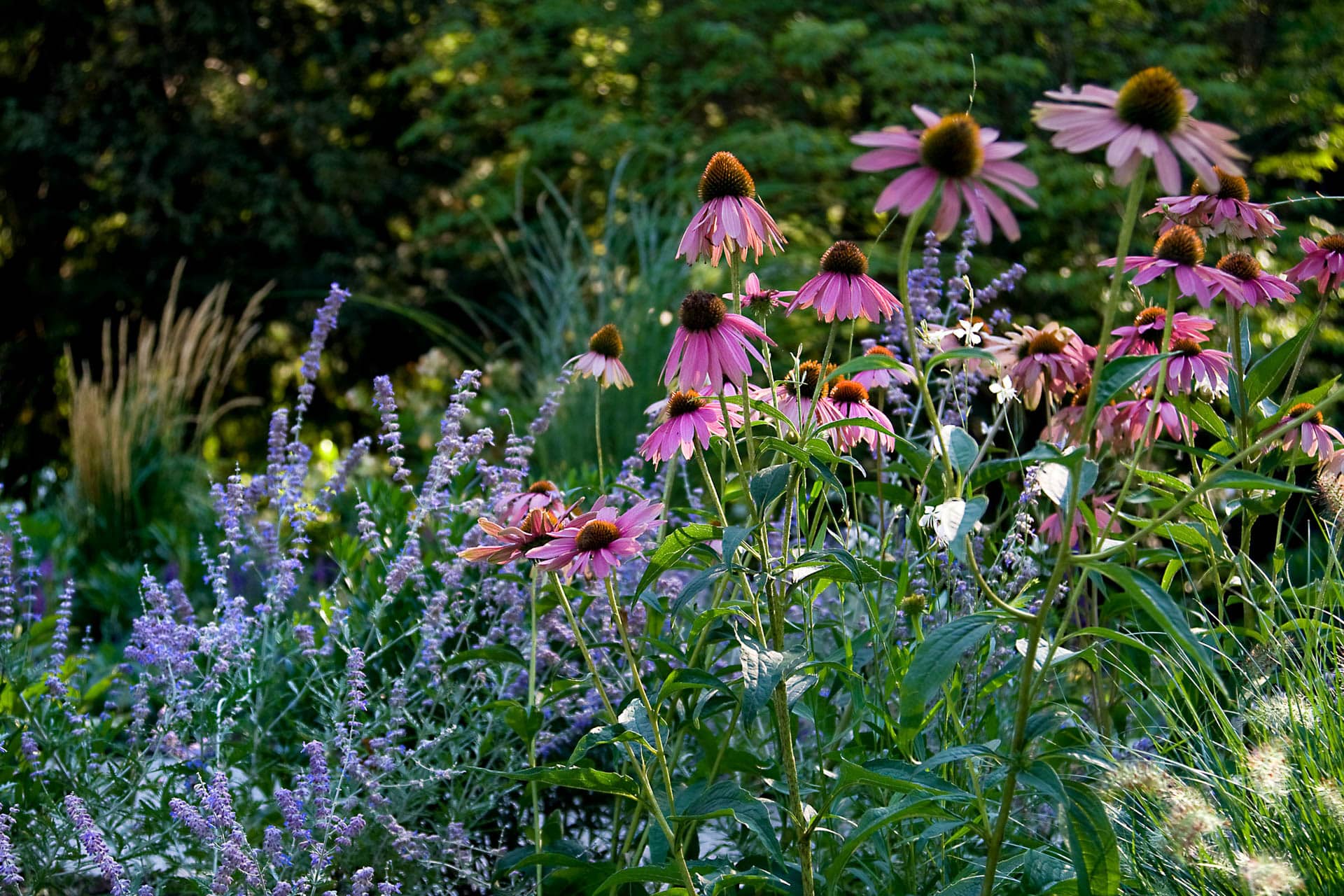
Why Pollinator Gardens Should Be in Every New England Landscape
Seasonal rhythms create the perfect canvas for pollinator gardens in New England residential landscapes, which balance ecological purpose with beautiful, ever-changing design.
A pollinator garden is a landscape designed to support creatures that transfer pollen between plants, such as native bees, butterflies, hummingbirds, and other beneficial insects. Shifting through blooms, textures, and wildlife activity from spring through fall, pollinator gardens contribute to a landscape that feels truly alive.

The Benefits of Pollinator Gardens in New England
Ecological Benefits
Pollinator gardens play an important role in restoring habitats that may have been lost to development and conventional landscaping practices, as native bees, butterflies, and other beneficial insects rely on a continuous supply of nectar and pollen to survive.
Thoughtfully planted gardens provide food sources, shelter, and overwintering habitat for insects and birds alike. As many landscape professionals note, the ecological value of these gardens extends well beyond the property line.
Seasonal and Aesthetic Benefits
Beyond their environmental impact, pollinator gardens bring a vibrant splendor to residential landscapes, from delicate spring ephemerals to vibrant summer perennials and late-autumn flowers such as asters and goldenrod. Designers often plan a sequence of blooms that unfolds over the growing season, keeping gardens colorful and active long after many traditional beds have faded.
Large drifts of flowering plants also create visual movement and depth. Katherine Field, Founder and Chief Creative Officer of Katherine Field and Associates (KFA), has long embraced this approach in her work.
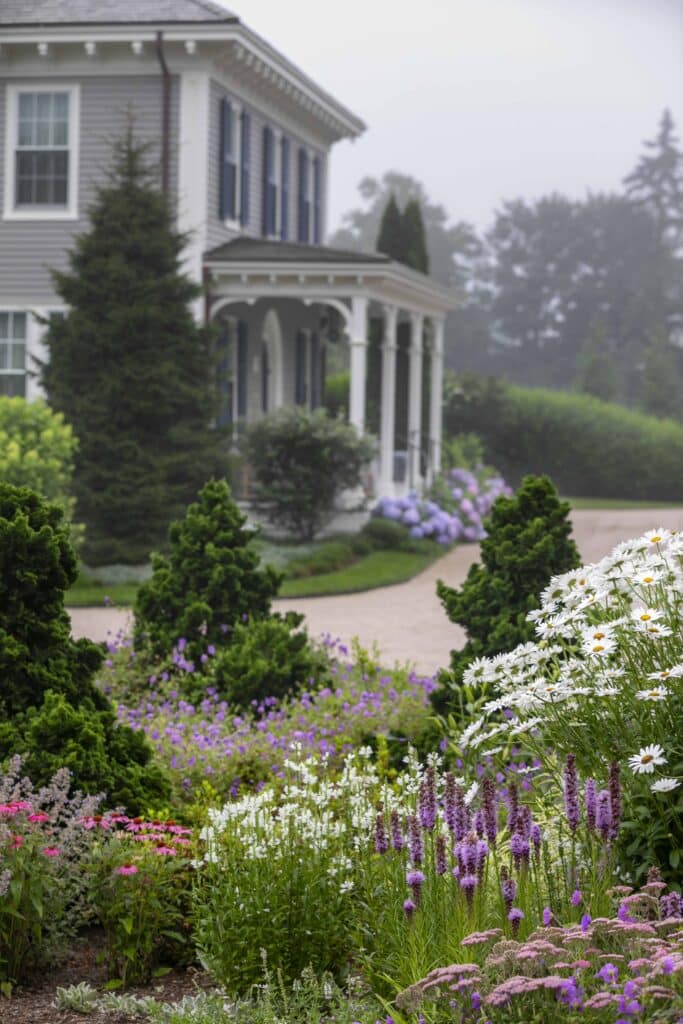
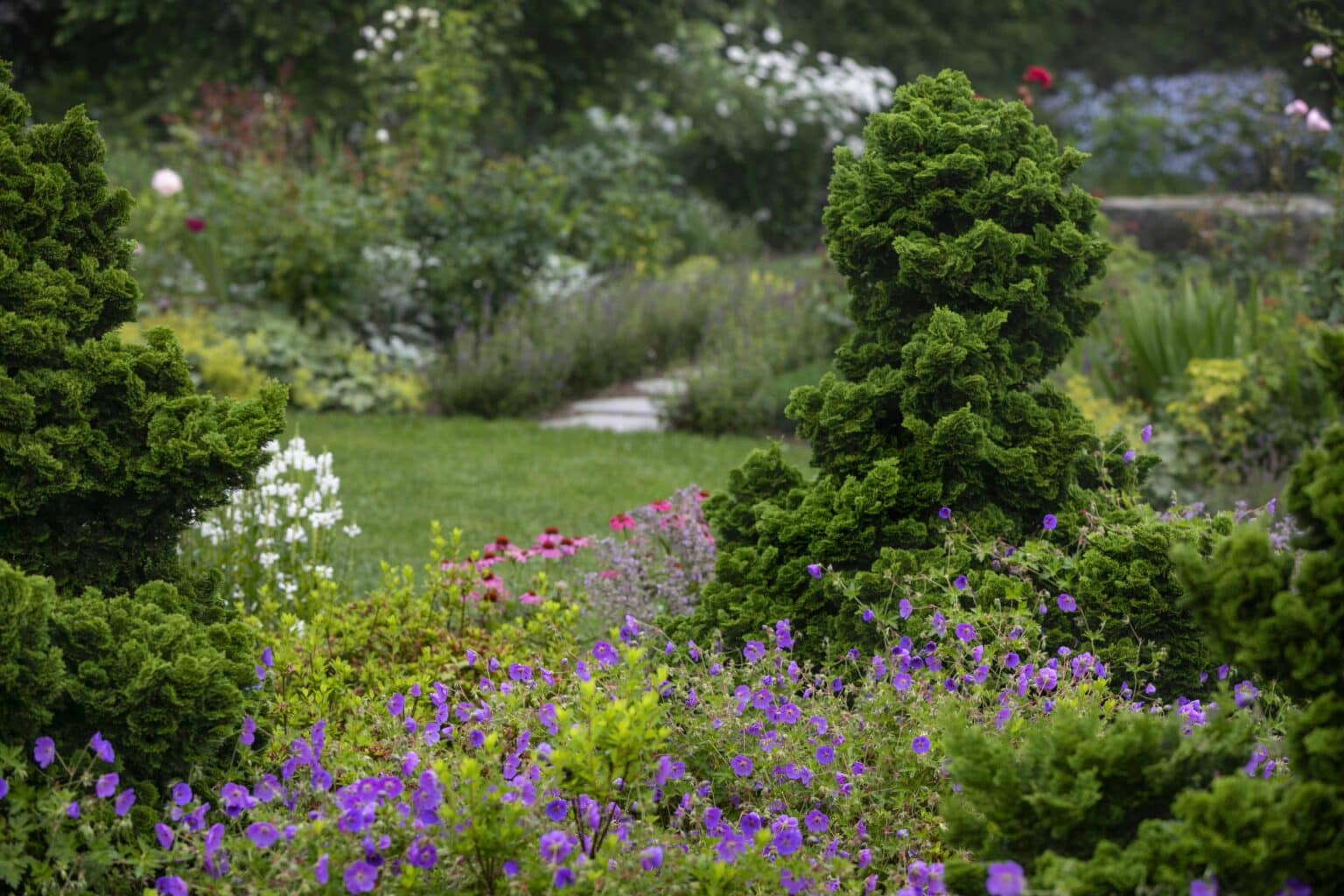
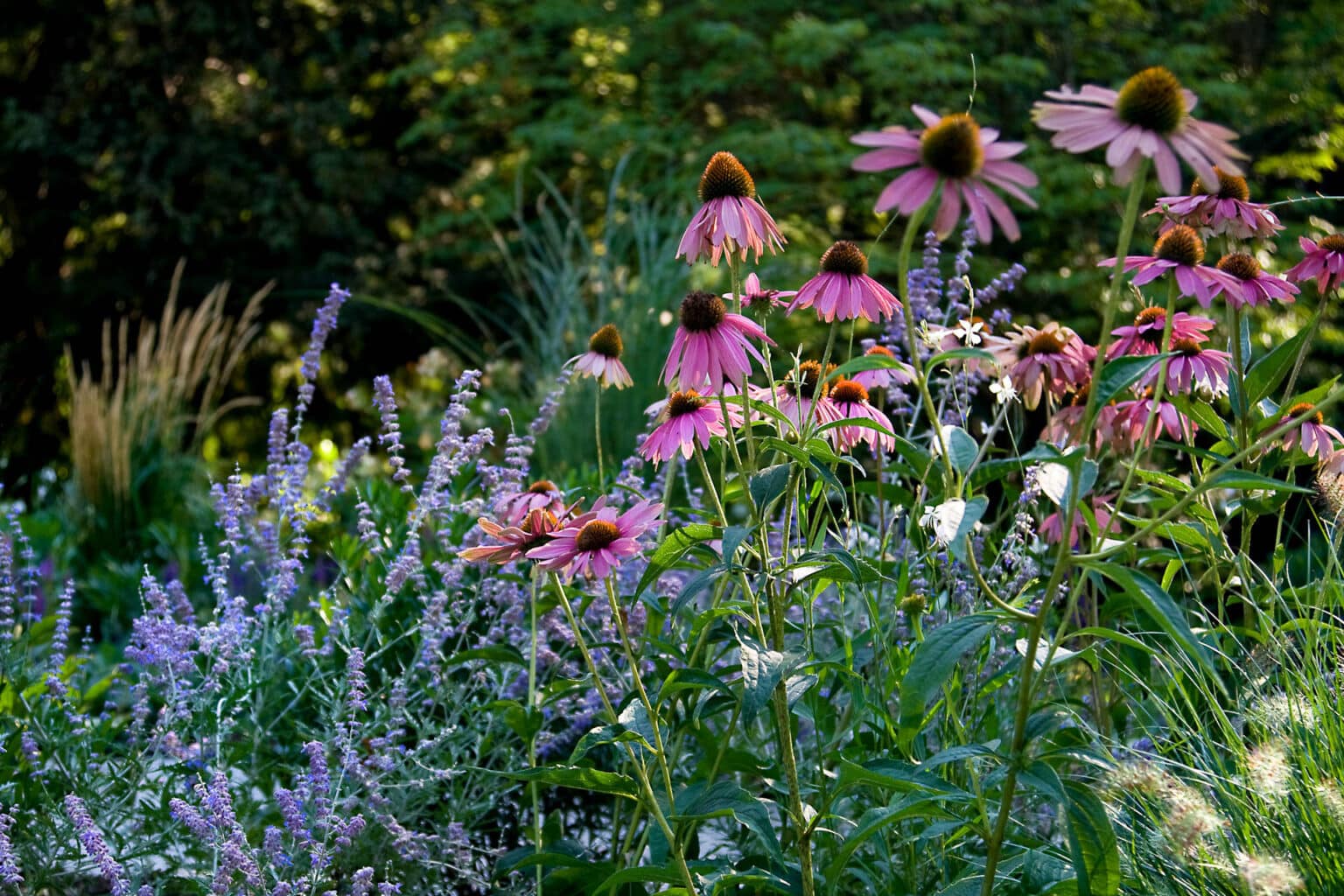
“Our broader philosophy is to incorporate pollinator plants into every planting plan throughout the garden,” says Field. “Large groupings of coneflower, aster, milkweed, bee balm, black-eyed Susan, salvia, penstemon, and goldenrod provide vibrant, long-season bloom.”
By layering these plants among flowering shrubs and evergreen structures, designers create gardens that feel both intentional, bountiful, and ecologically rich.
Functional Benefits
Pollinator gardens encourage homeowners to enjoy and engage with their landscapes year-round. Spring brings early blooms and returning wildlife, summer delivers peak color and pollinator activity, and fall introduces late-season flowers and seed heads that sustain birds and insects.
Even winter has its role. Seed heads, standing stems, and leaf litter provide crucial shelter for overwintering insects, transforming the dormant landscape into a vital habitat.
Landscape Design Strategies for New England Properties
Pollinator gardens can integrate seamlessly into high-end landscapes when approached with thoughtful design principles.
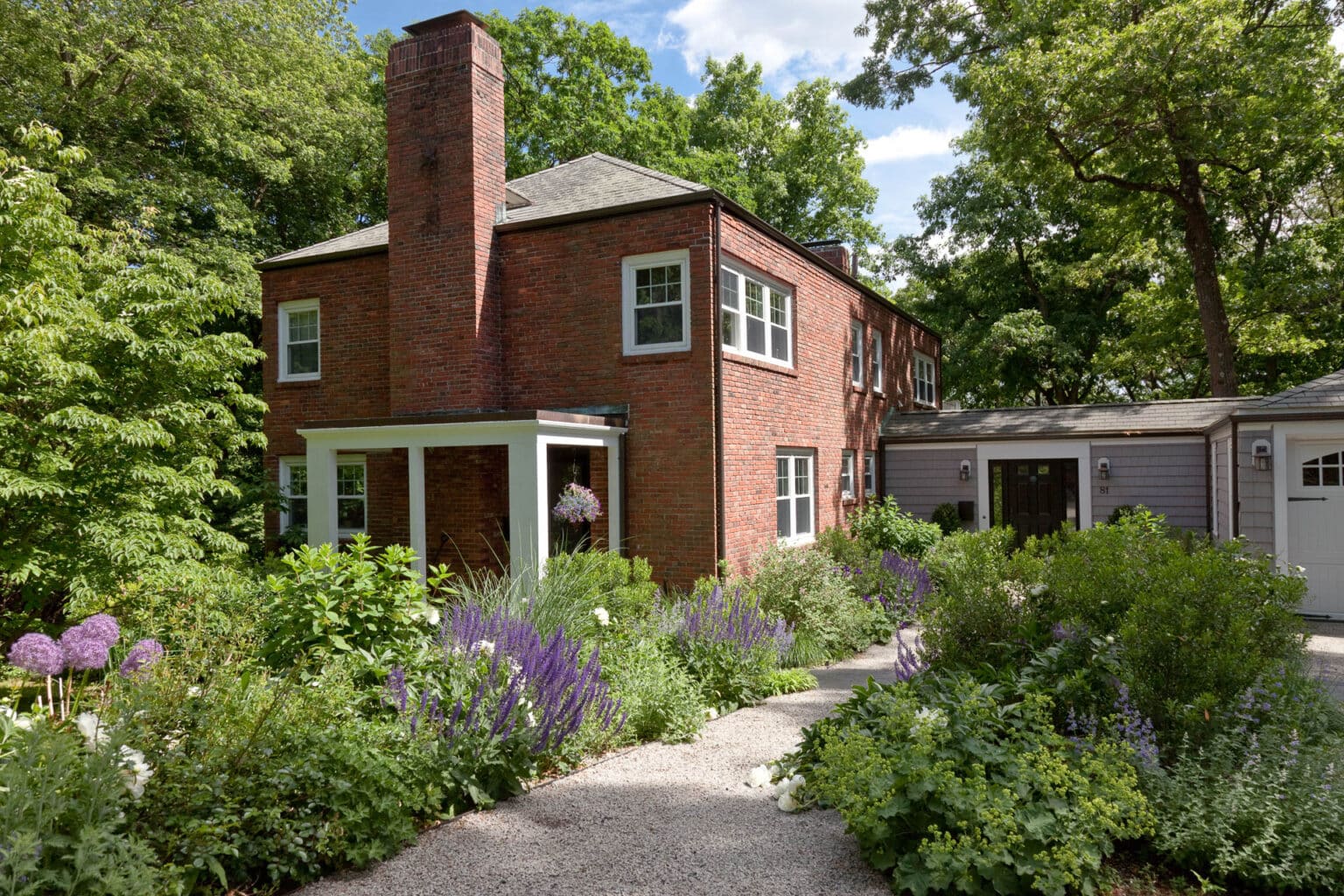
Rather than appearing wild or unstructured, these gardens can be carefully composed to complement formal architecture, terraces, and outdoor living areas.
Designing for Seasonal Rhythm
Successful pollinator gardens rely on continuous bloom throughout the growing season. Early nectar sources support emerging pollinators in spring, followed by mid-season perennials and late-season flowers that sustain insects well into autumn.
Design teams often map bloom succession carefully to ensure the garden never falls silent. At MainStay Landscape, this ecological sequencing is foundational to the design process.
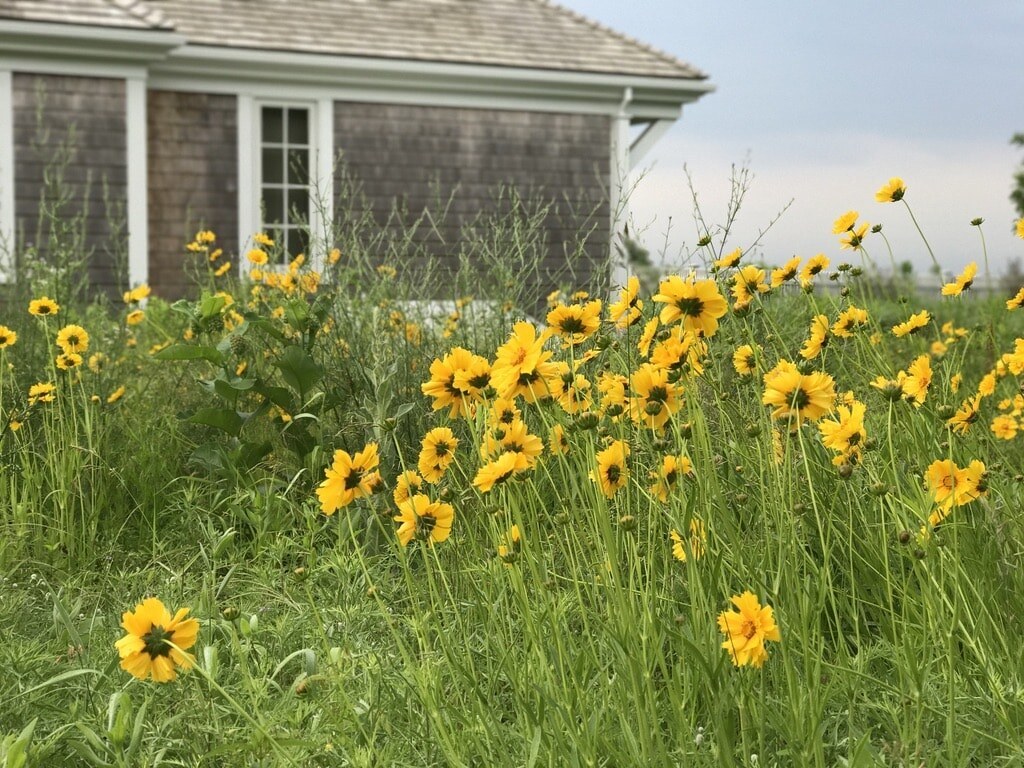
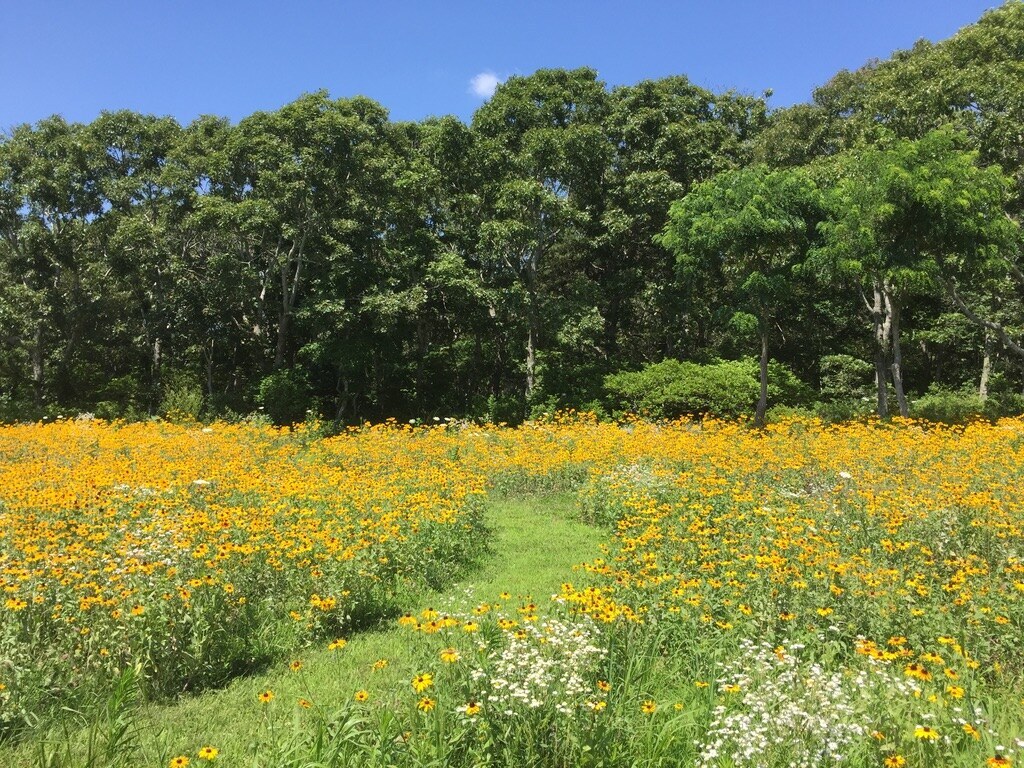
“We study bloom succession, plant height, root depth, and species compatibility to create a layered system that functions as a living plant community rather than a collection of individual specimens,” the MainStay team explains.
By thinking of the garden as an evolving ecosystem, designers can build landscapes that remain visually compelling and ecologically productive year after year.
Integrating Meadows and Structured Gardens
Pollinator-friendly plantings often work beautifully as transitional spaces within a property. Rather than isolating these gardens, many designers weave them throughout the landscape.
“We don’t approach these spaces as standalone pollinator gardens,” notes MainStay Landscape. “More often, we design them as integrated meadow systems—larger landscape moments that support habitat, seasonal change, and visual movement within a broader framework.”
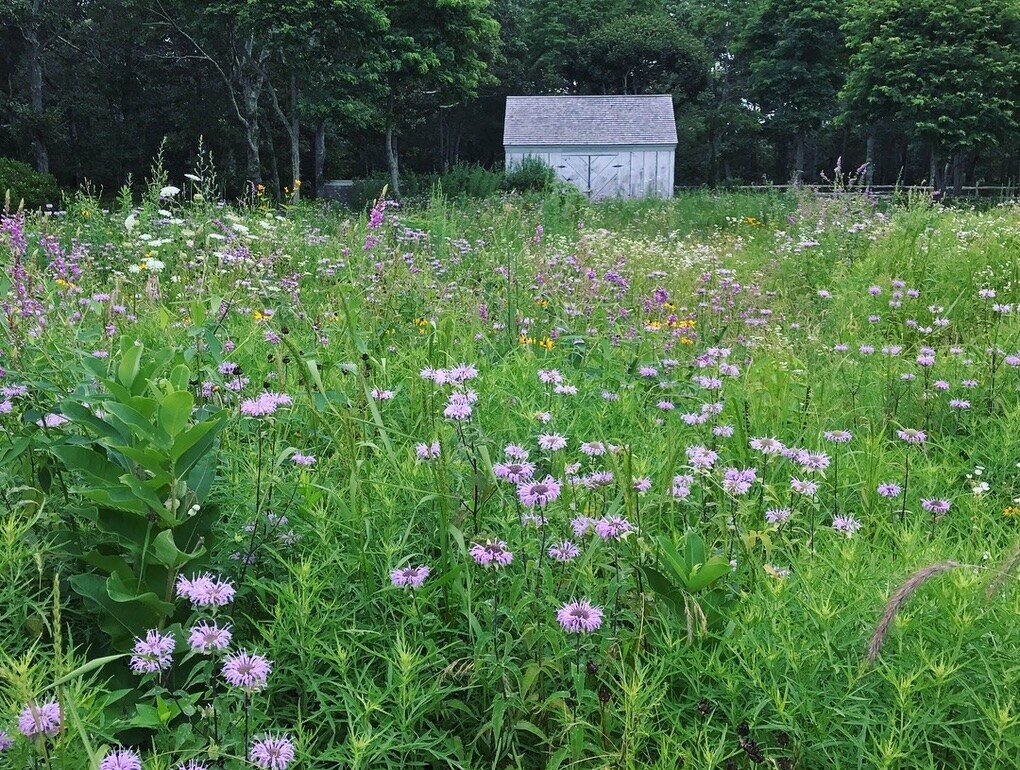
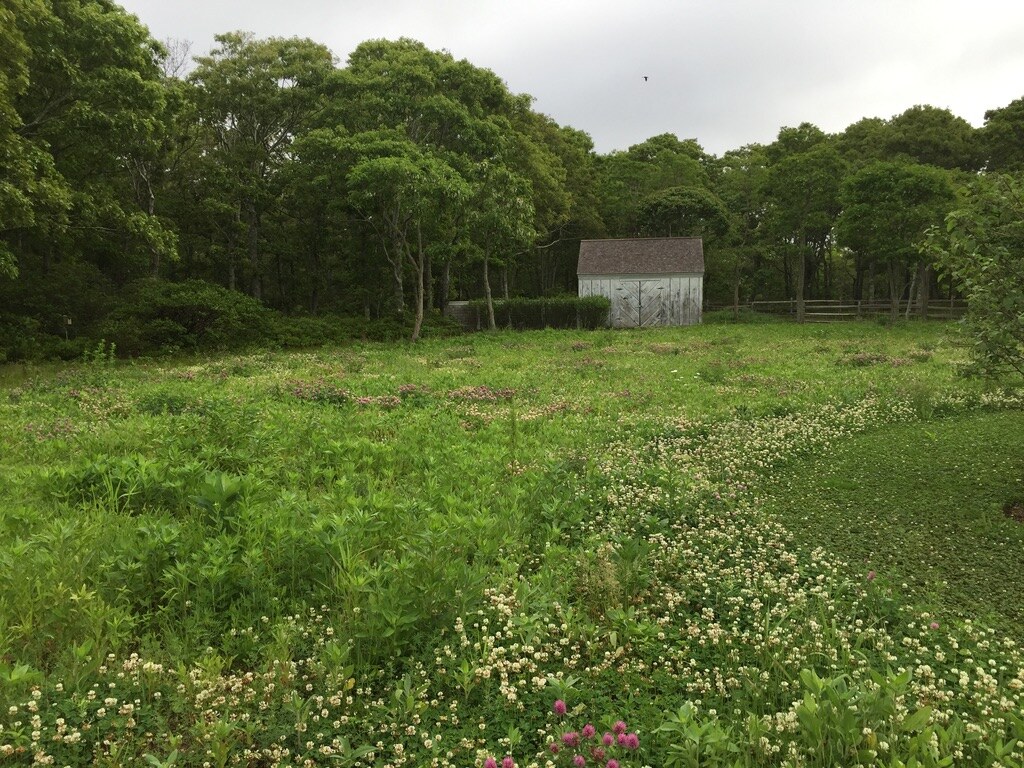
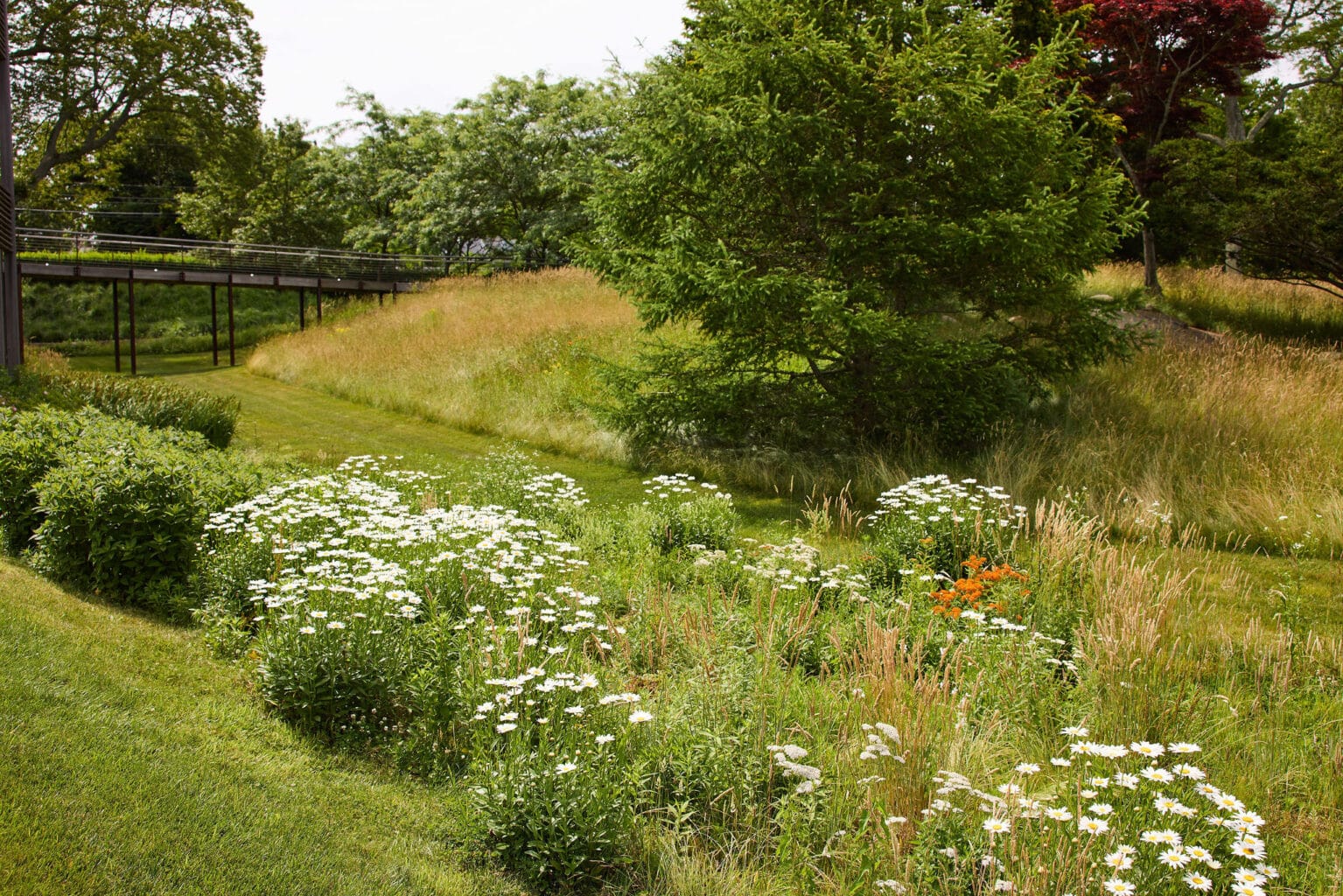
Landscape Creations applies a similar philosophy, often replacing conventional lawns with native meadow systems that support pollinators while maintaining the refined character of residential landscapes. On one narrow coastal property descending more than fifty feet toward the shoreline, the firm wove native planting areas and meadow grasses throughout the site to preserve views while strengthening ecological performance.
“Large conventional lawn areas were minimized and replaced with native plant communities and low-mow grasses that provide ecological benefit supporting pollinators and other wildlife while maintaining the refined character expected of a coastal residence,” the Landscape Creations team explains.
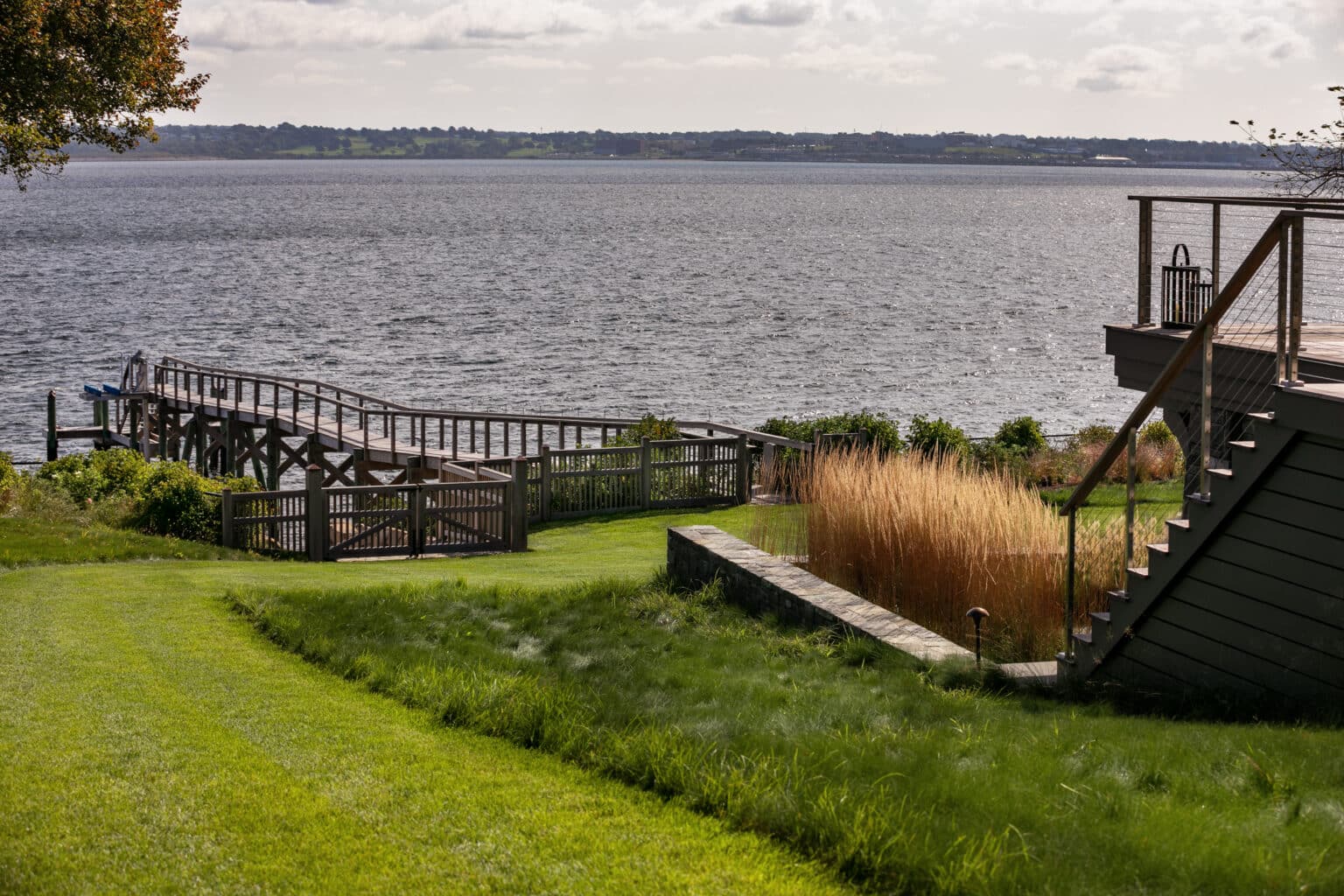
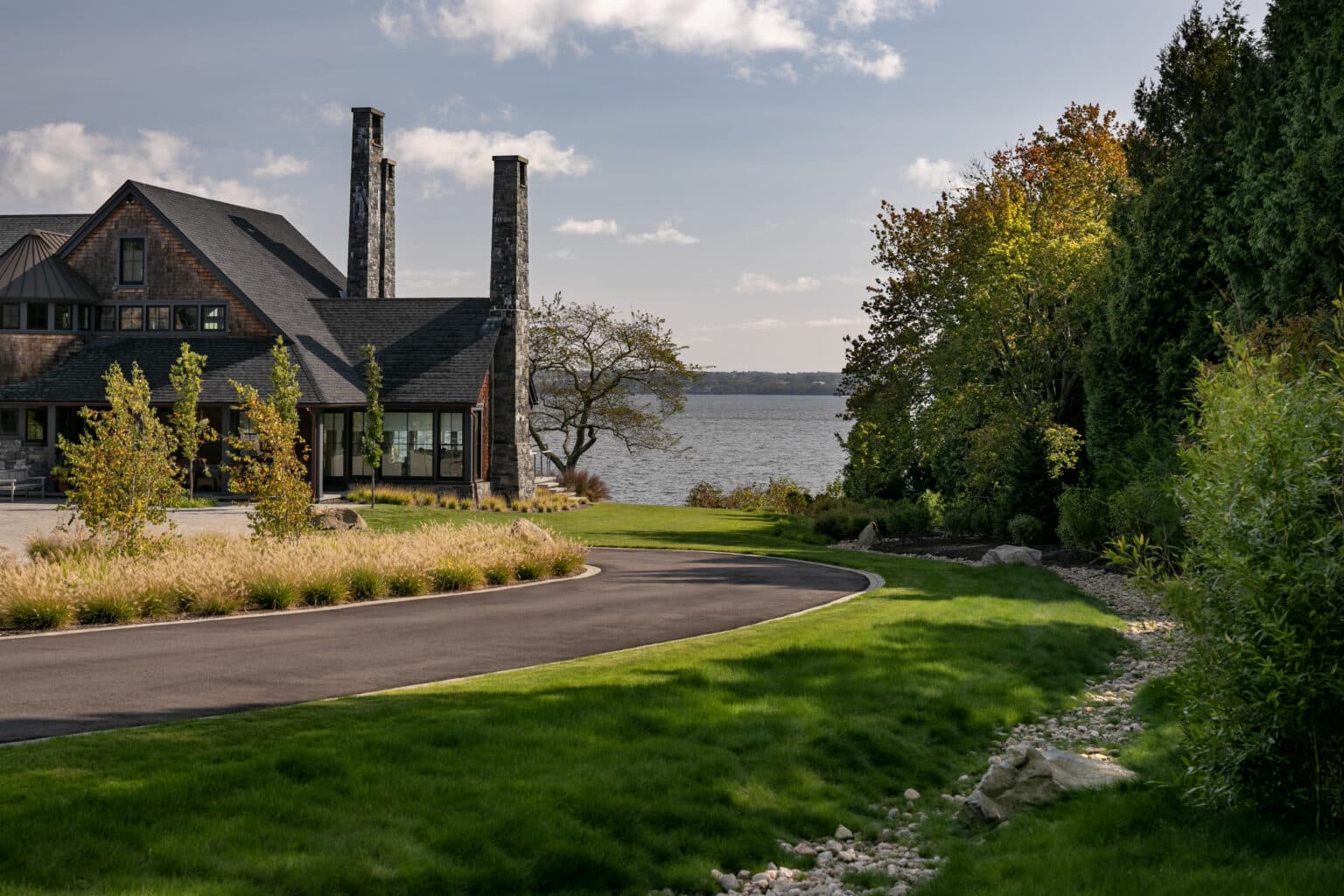
Defined edges, strong geometry, and intentional sightlines help balance the natural looseness of meadow plantings, ensuring the design feels purposeful.
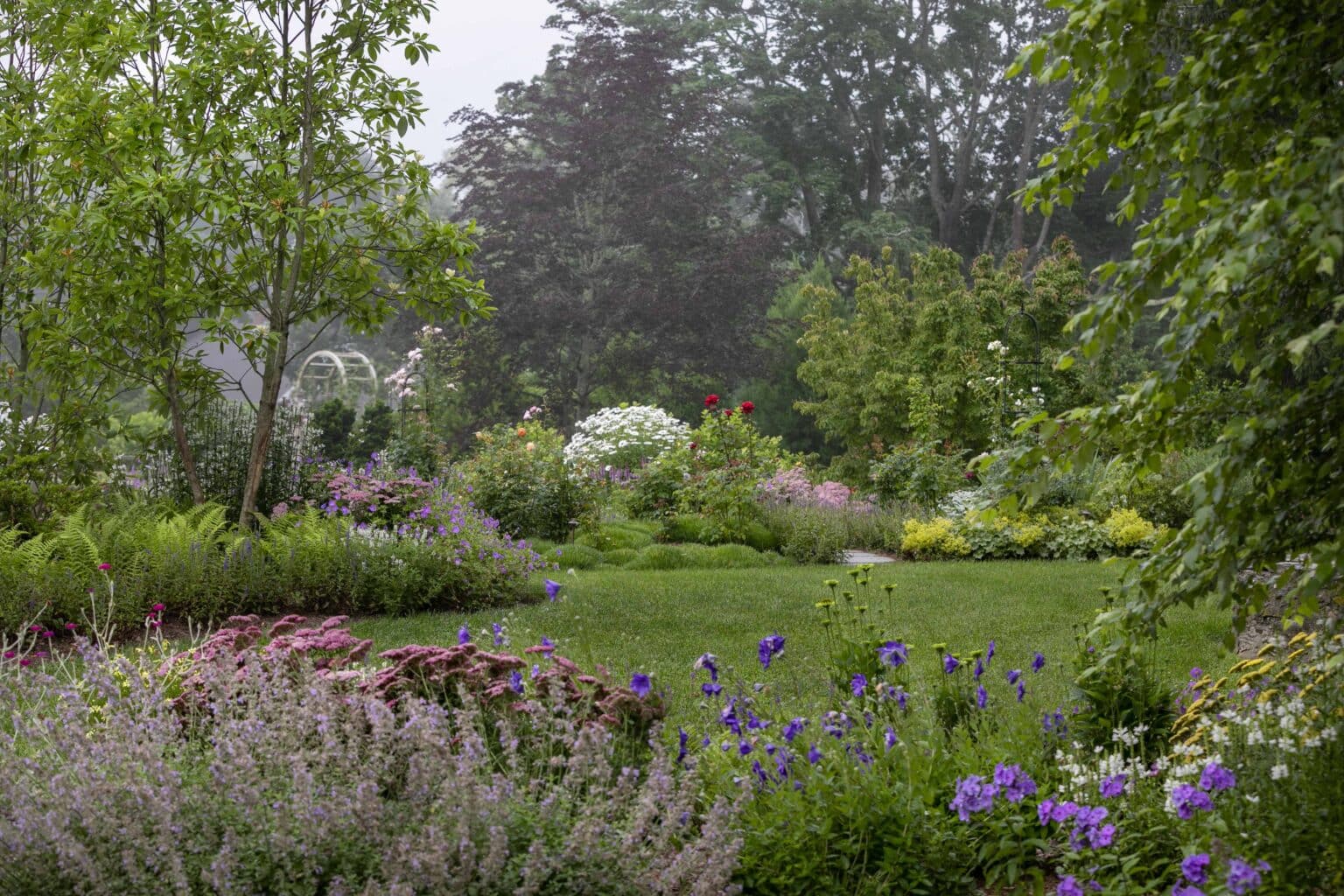
Similarly, Katherine Field emphasizes integration over isolation. “Our goal is for planting to flow seamlessly throughout the landscape—using compelling, beautiful species that support our wild friends—without needing to isolate butterflies in a single garden space.” Rain gardens, garden borders, and perennial beds can all become pollinator-friendly when designed with this philosophy.
Layering Plants for Habitat and Beauty
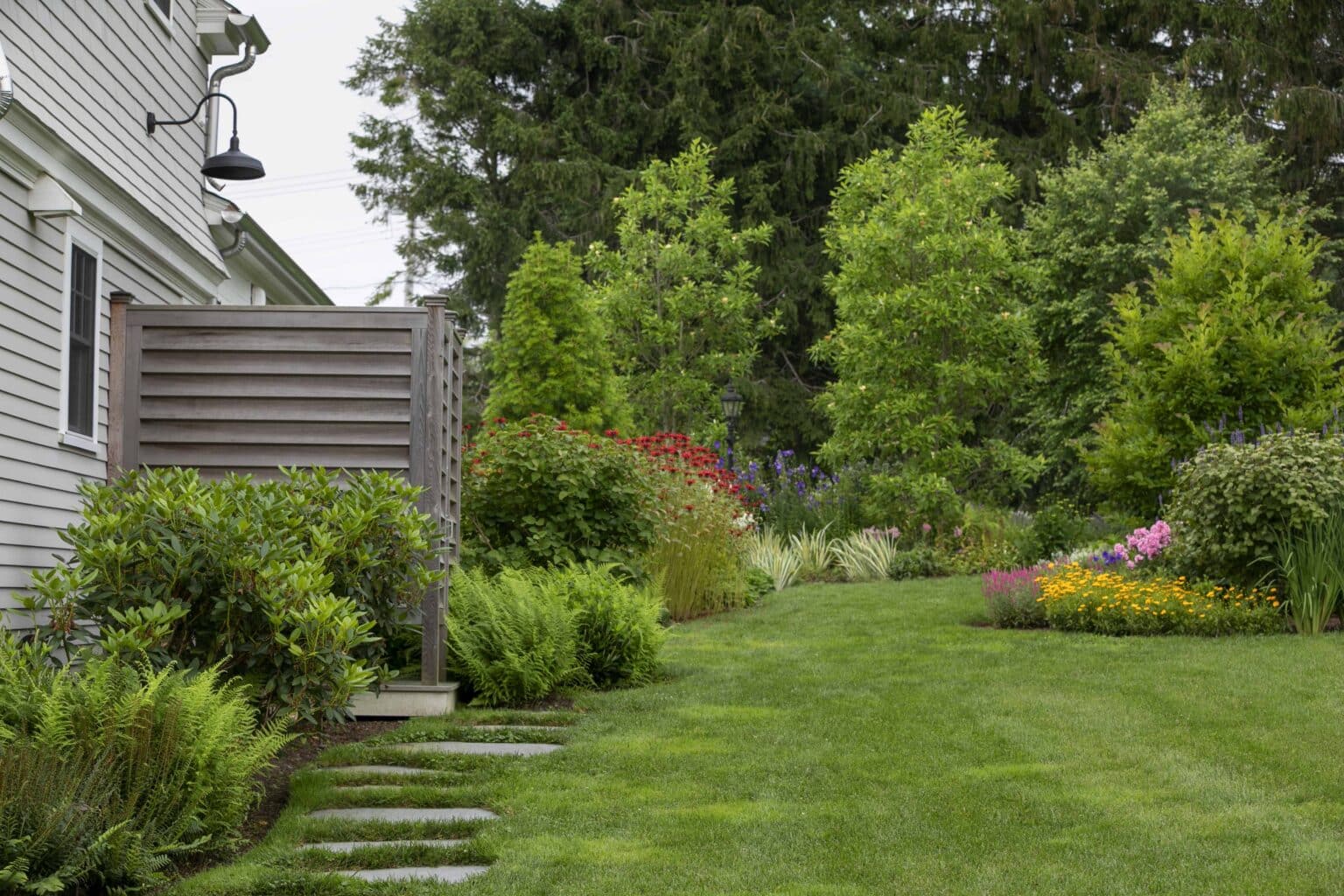
Layered planting adds both visual interest and ecological value. Perennials, grasses, shrubs, and small trees can create vertical structure while offering a diversity of habitats for pollinators and birds.
At Parterre Garden Services, designers incorporate shrubs and seasonal plants to create year-round function. “Evergreen and deciduous shrubs such as redtwig dogwood, inkberry, and beautyberry are incorporated into the design for overall structure, enhanced habitat function, and winter interest,” the Parterre team explains.
Choosing Plants for Local Pollinators
Native plants form the backbone of most pollinator gardens because they evolved alongside regional pollinator species.
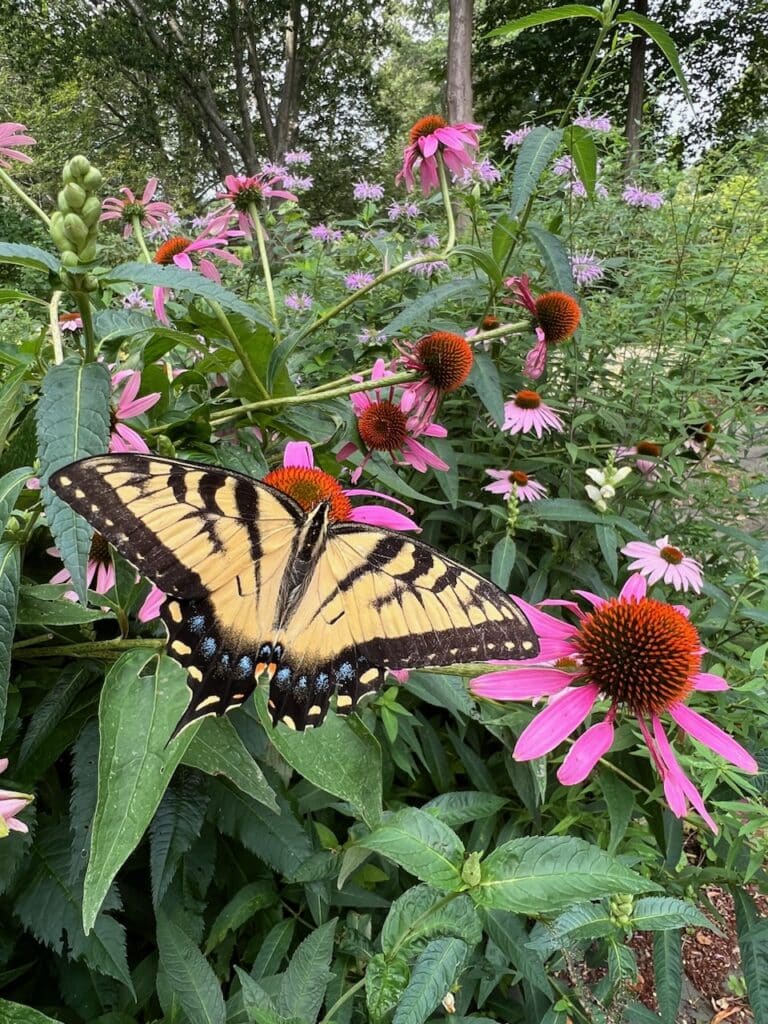
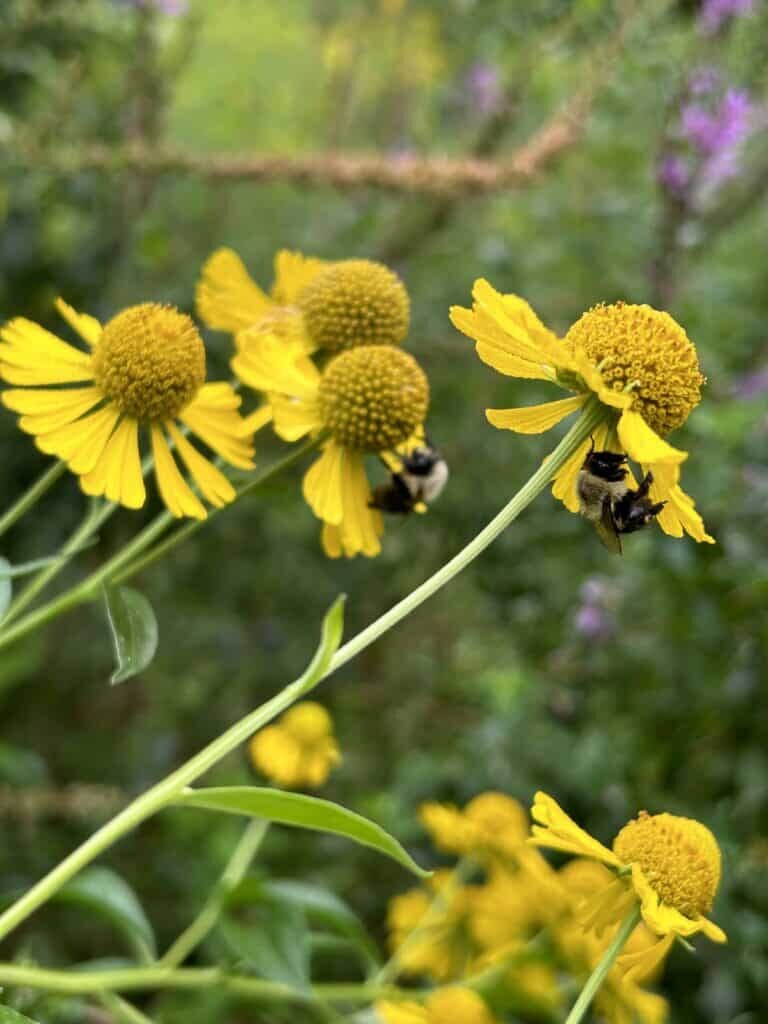
Gianna Desrochers, Landscape Care Manager at R.P. Marzilli & Co. and an entomology specialist, emphasizes the deep ecological relationship between native plants and pollinators. “Native plants have evolved with our native pollinators,” Desrochers explains. “These plants have become adapted to attract pollinators, and the pollinators have adapted to support these plants.”
Species such as butterfly weed, anise hyssop, and buttonbush are known for attracting a wide range of pollinators, from bumblebees to butterflies and hummingbirds. While native plants typically make up the majority of the planting palette, Desrochers notes that selective ornamentals or annuals can help extend bloom periods and provide additional nectar when needed.
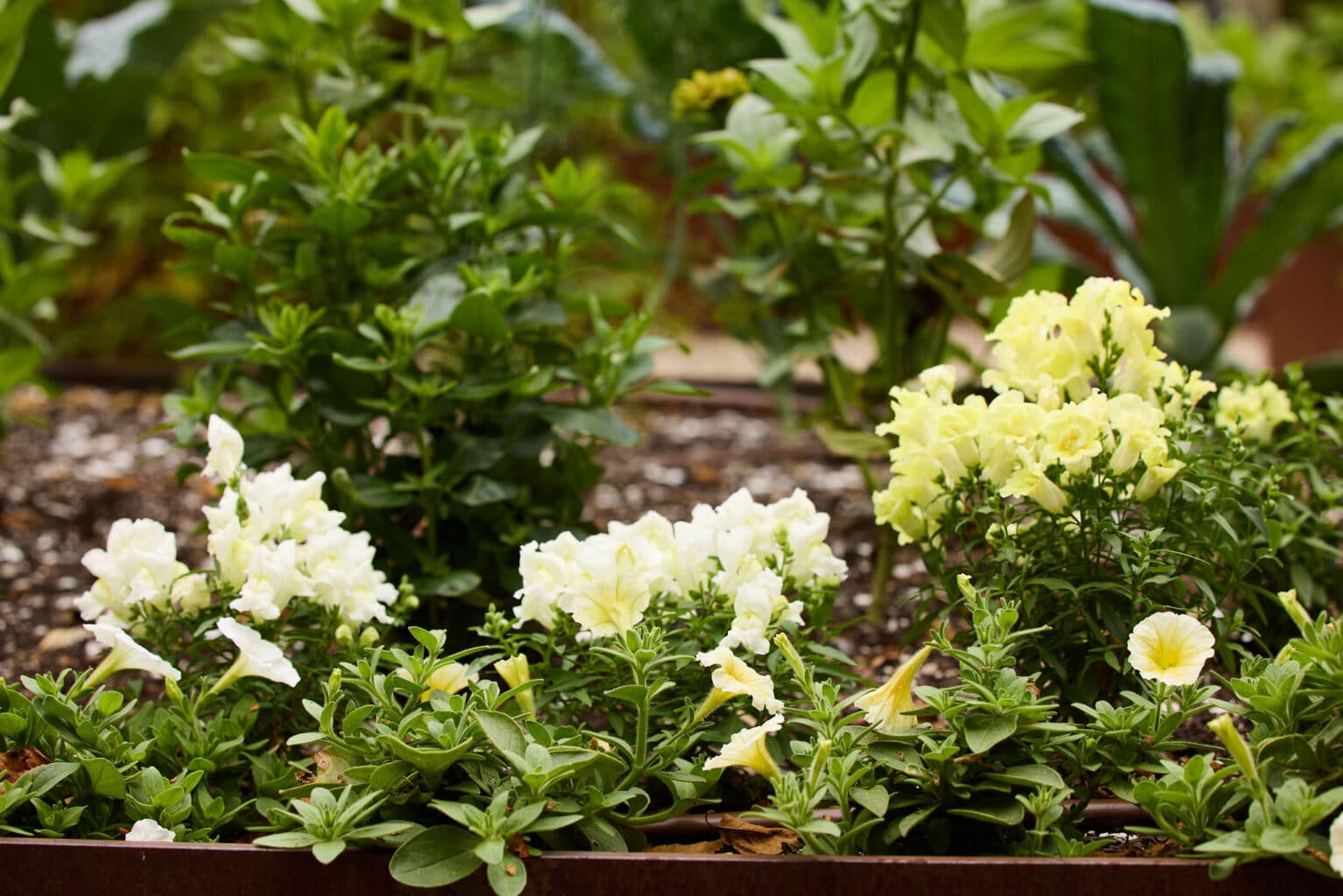
In some cases, access to native plant material can be a challenge for homeowners hoping to build pollinator-friendly landscapes.
“Another obstacle for clients wanting to connect with native plants in their home gardens is that few native plants are sold commercially,” says Landscape Creations. “We carefully research nurseries that specialize in native plants, and in some cases collect seeds and propagate plants ourselves to promote native plant populations.”
Maintaining a Pollinator Garden Through New England Seasons
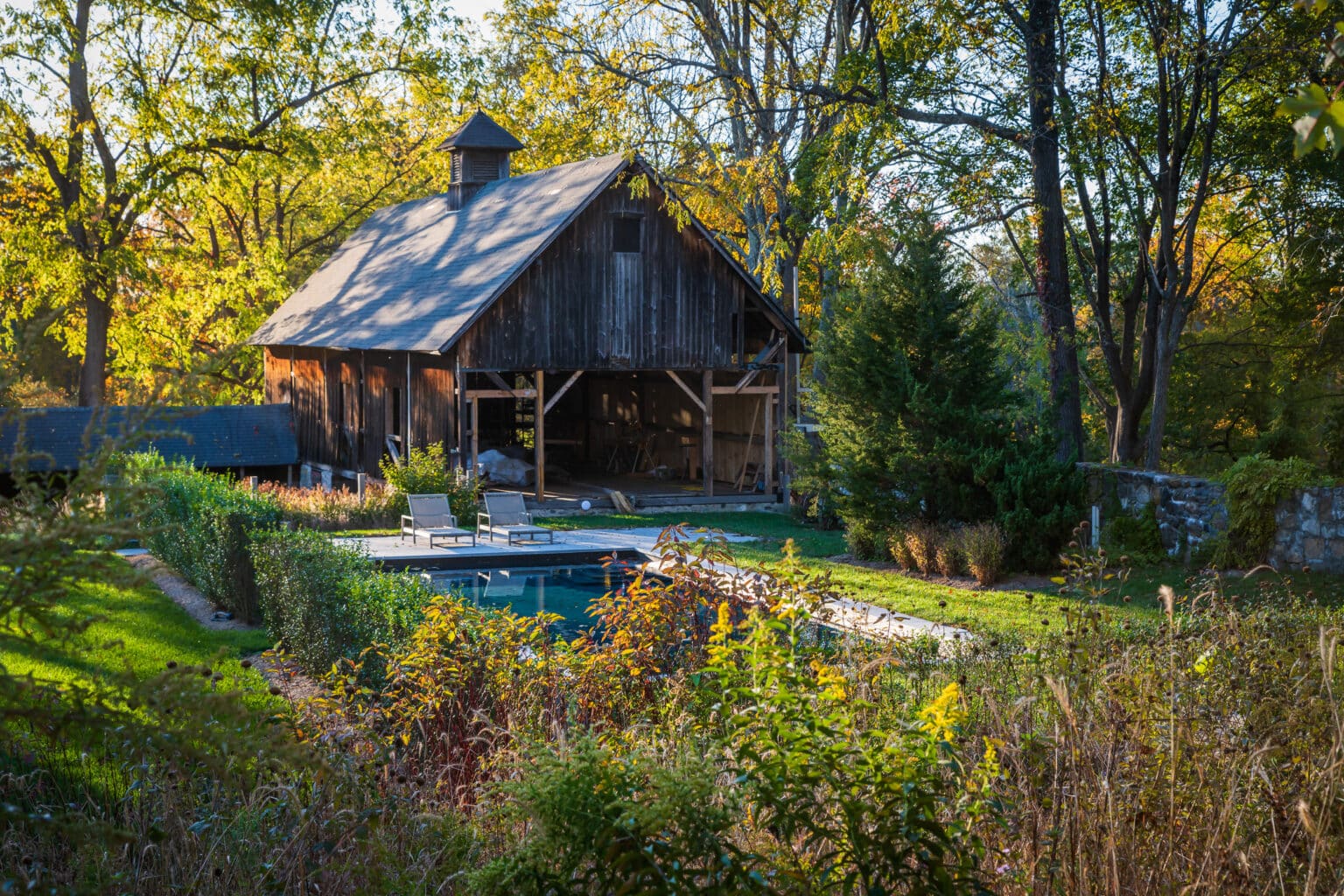
Pollinator gardens require slightly different maintenance strategies than traditional ornamental beds. Because many insects rely on plant stems, seed heads, and leaf litter for winter shelter, experts recommend delaying fall cleanup until early spring. Meadow-style pollinator plantings can also require less ongoing maintenance than traditional turf once they are established.
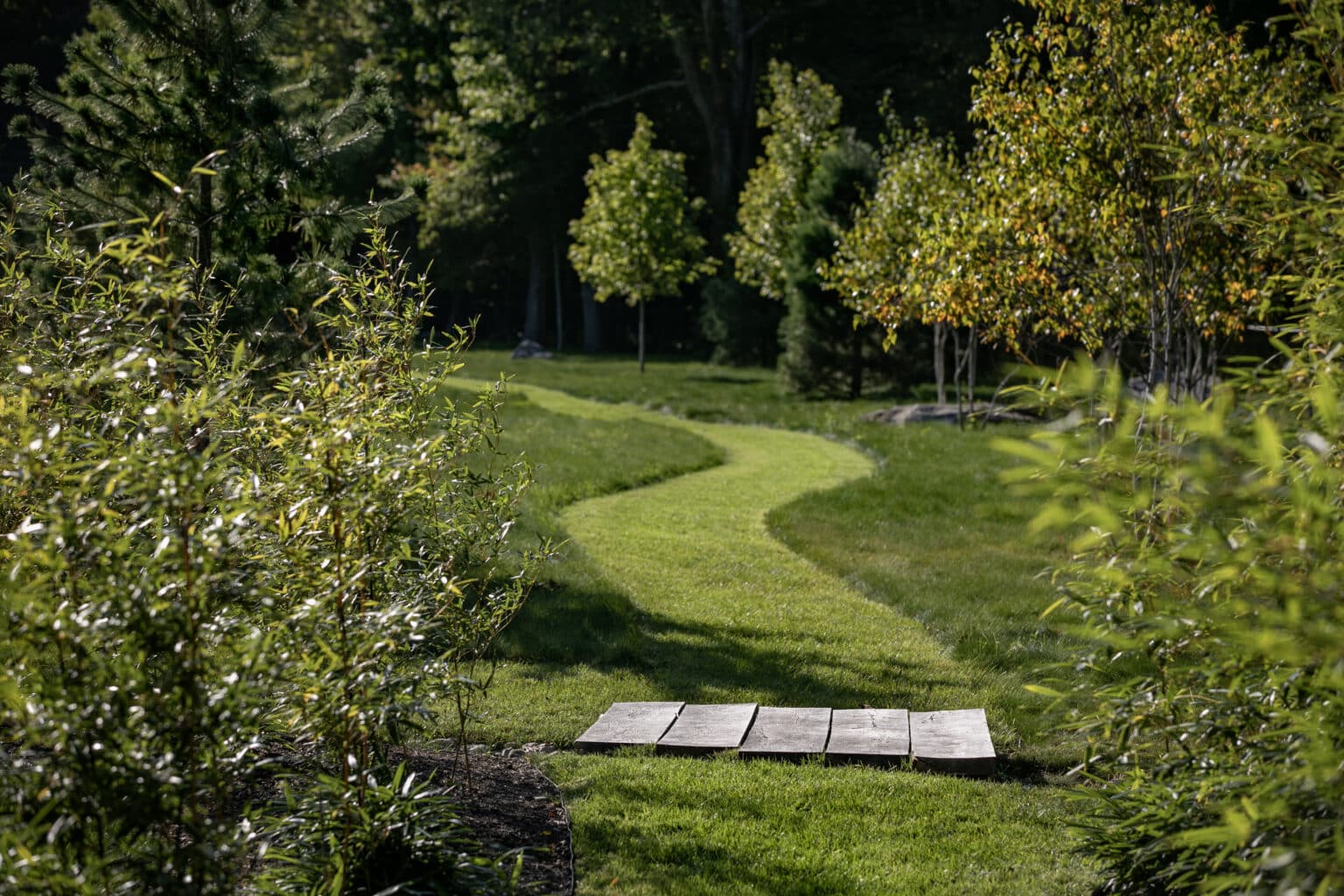
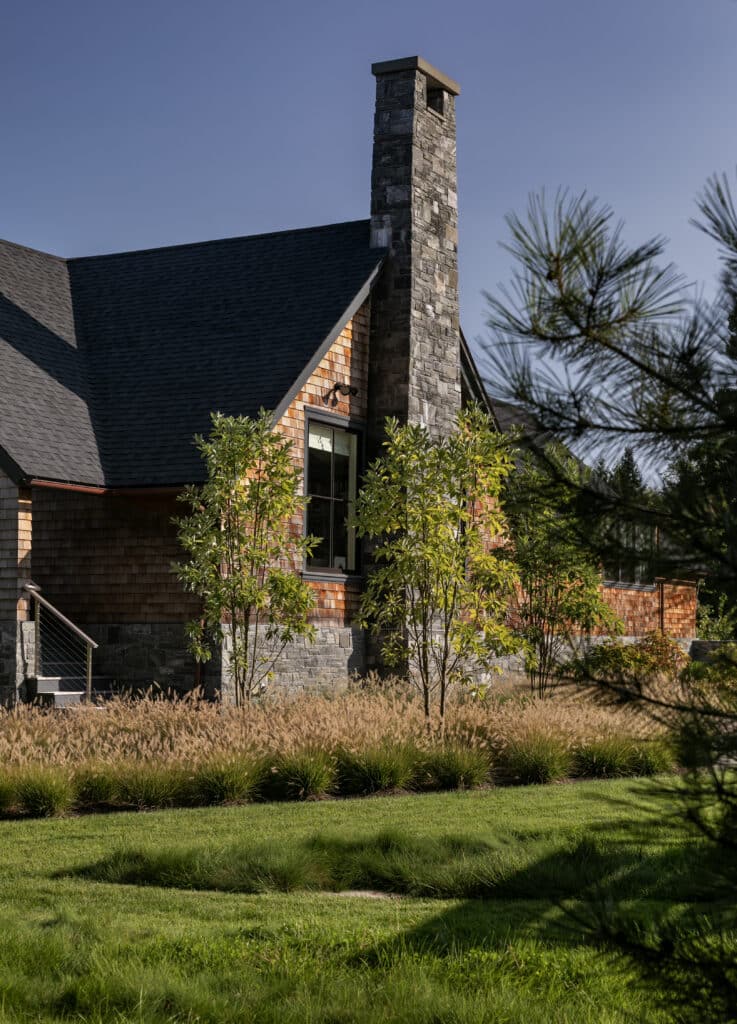
Landscape Creations typically manages these landscapes with a single annual “tall mow” in late winter or early spring—never cutting below six inches. This practice distributes seed, prevents woody species from taking hold, and protects wildlife habitats. Leaving the clippings in place helps return nutrients to the soil and supports the natural regeneration of the meadow.
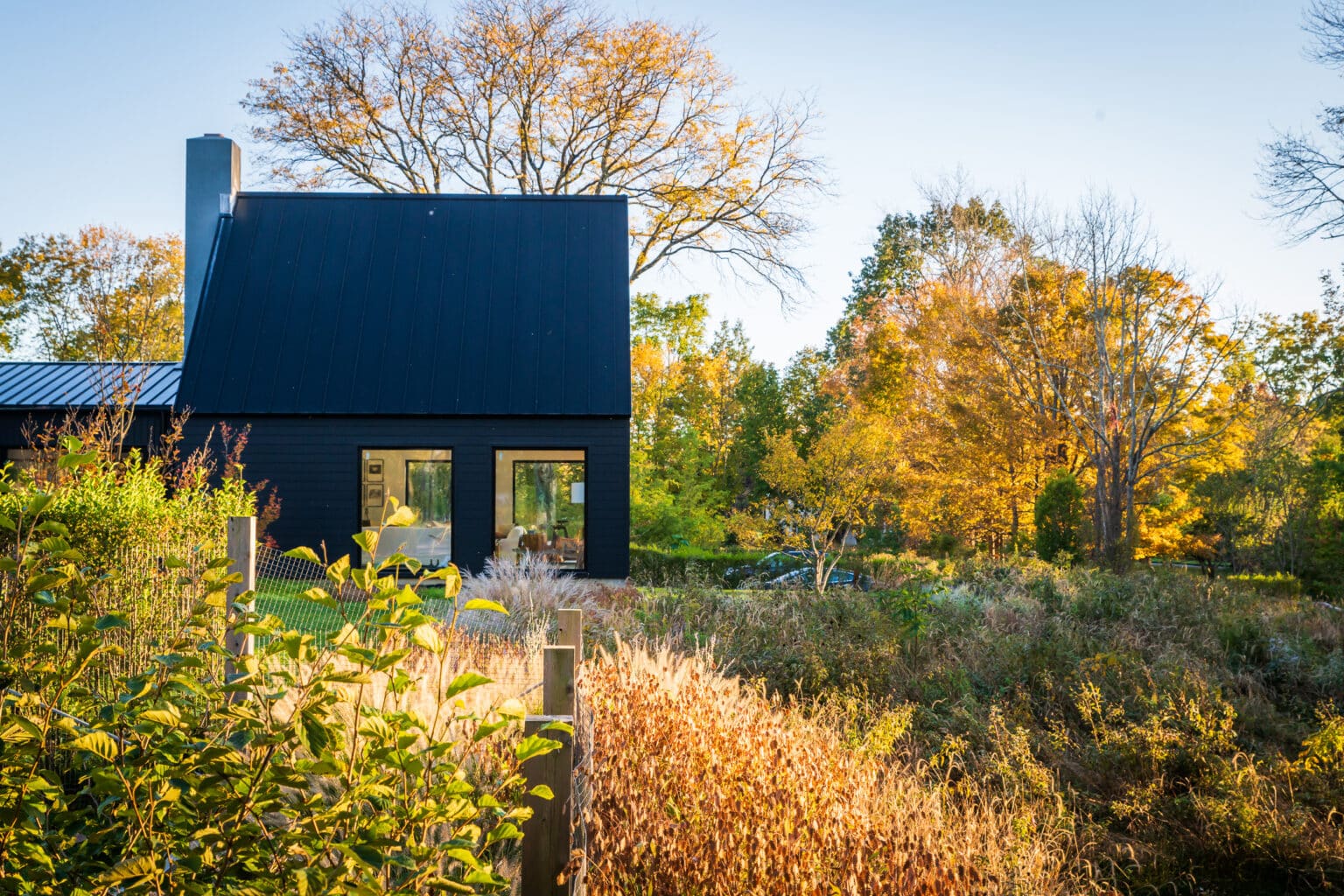
Leaving stems standing through winter also adds visual structure to the dormant landscape while supporting birds and overwintering insects. According to MainStay Landscape, planting robustly from the start helps establish a stable plant community that suppresses weeds naturally, reducing long-term maintenance needs.
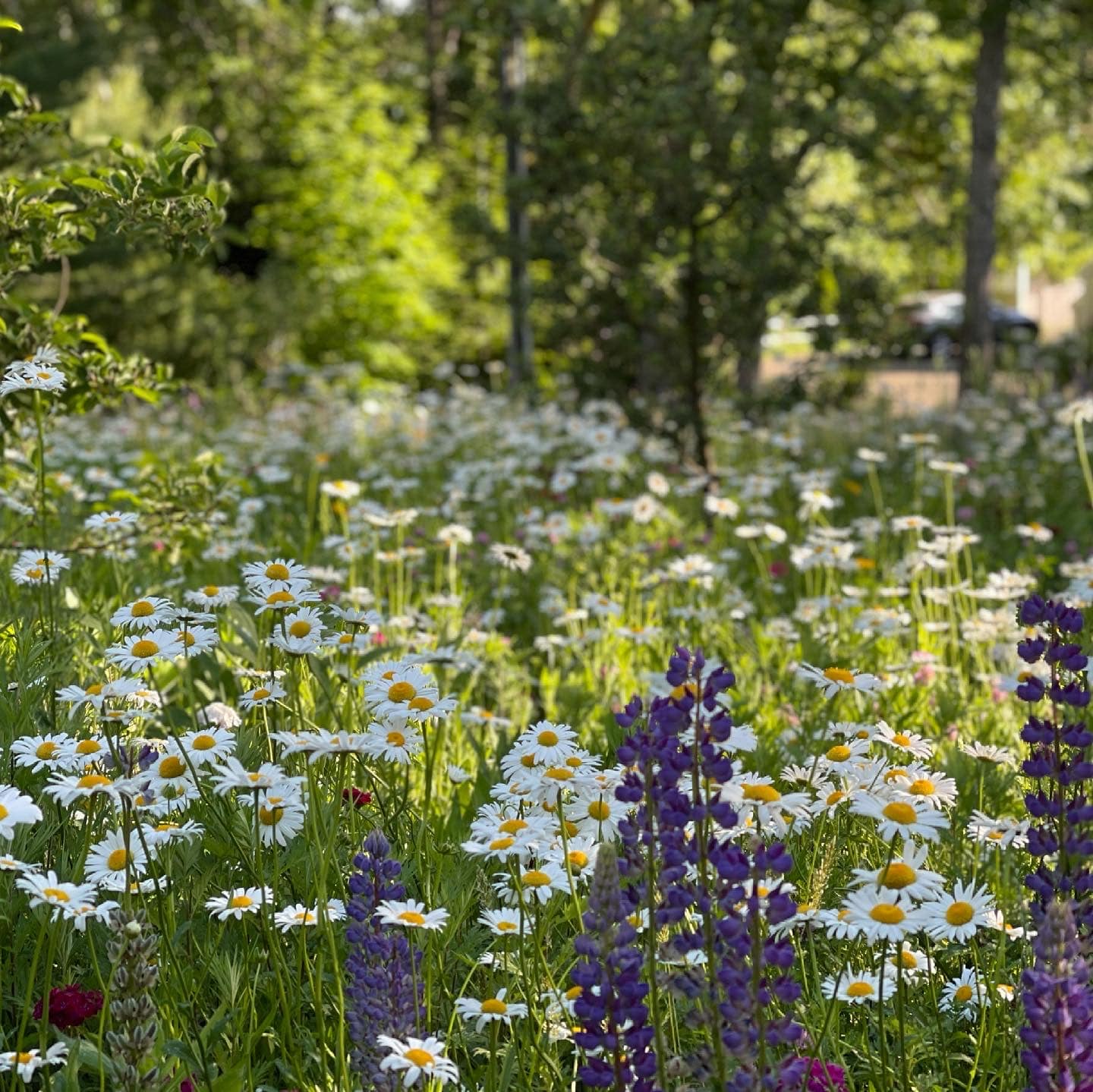
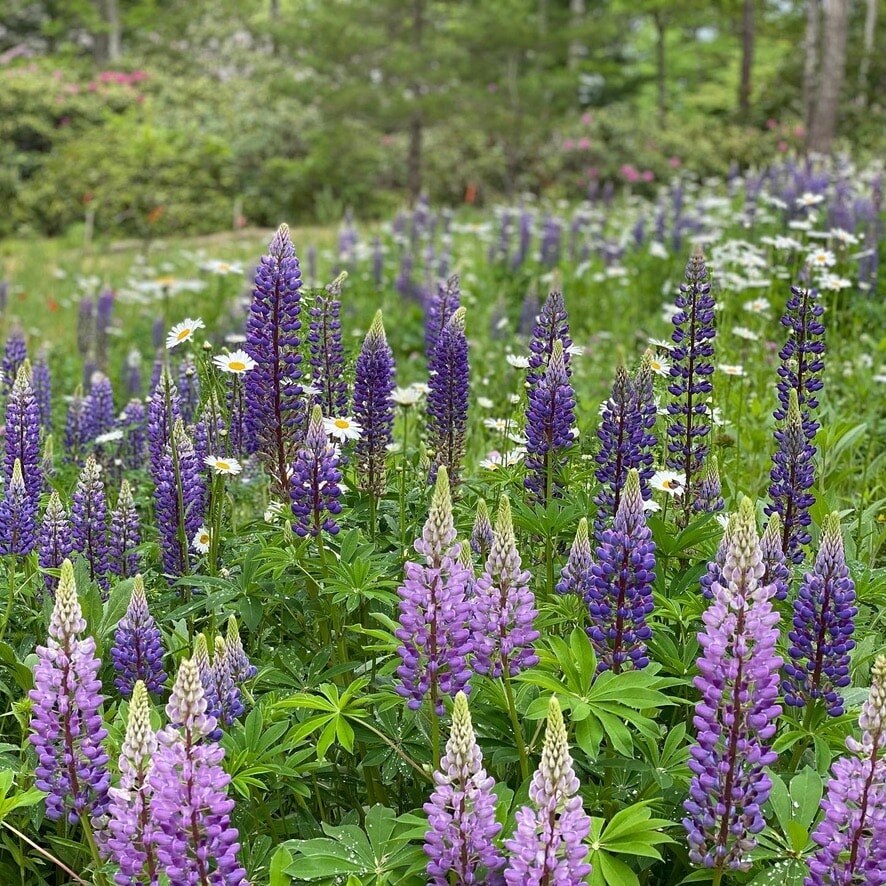
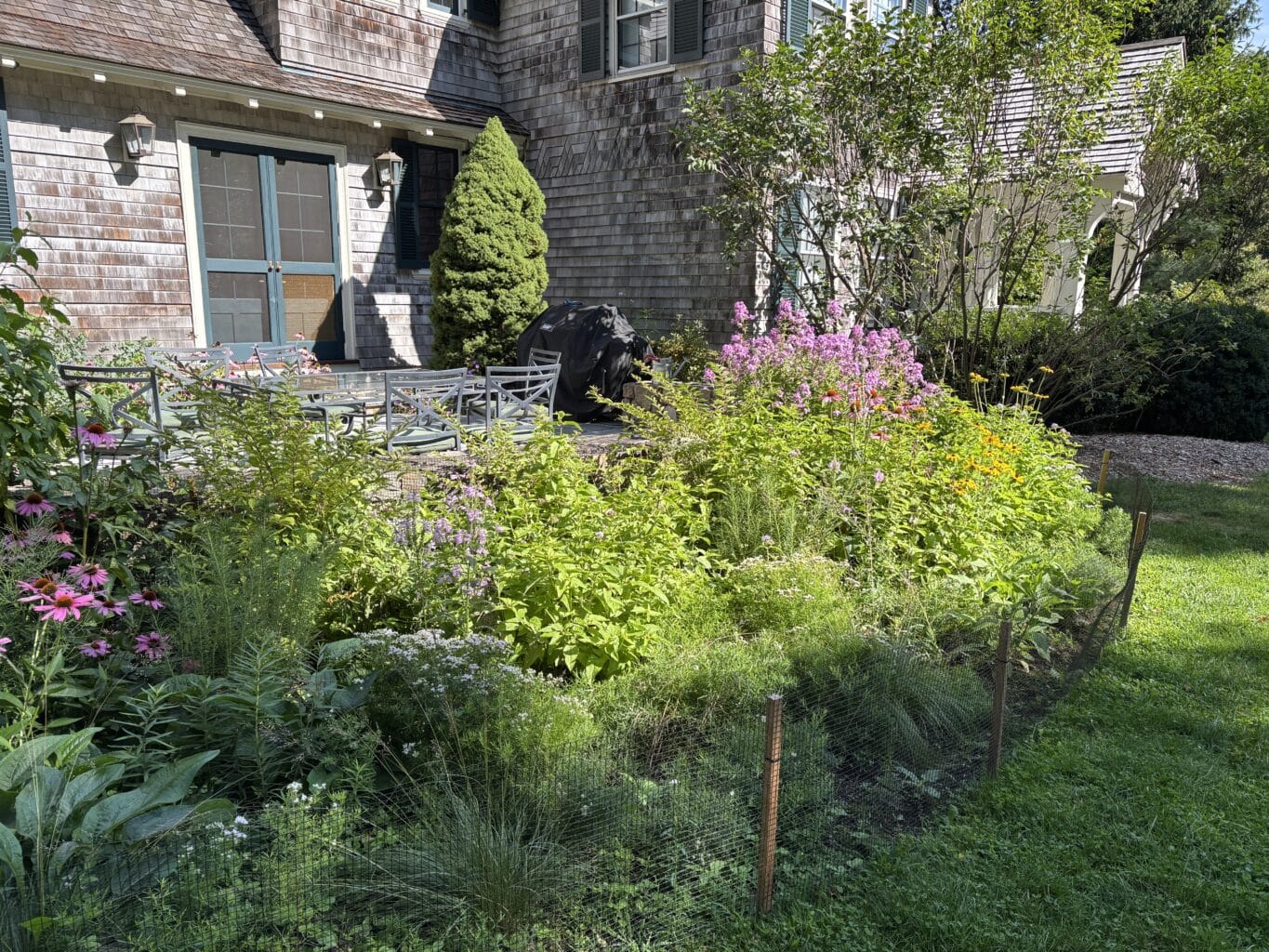
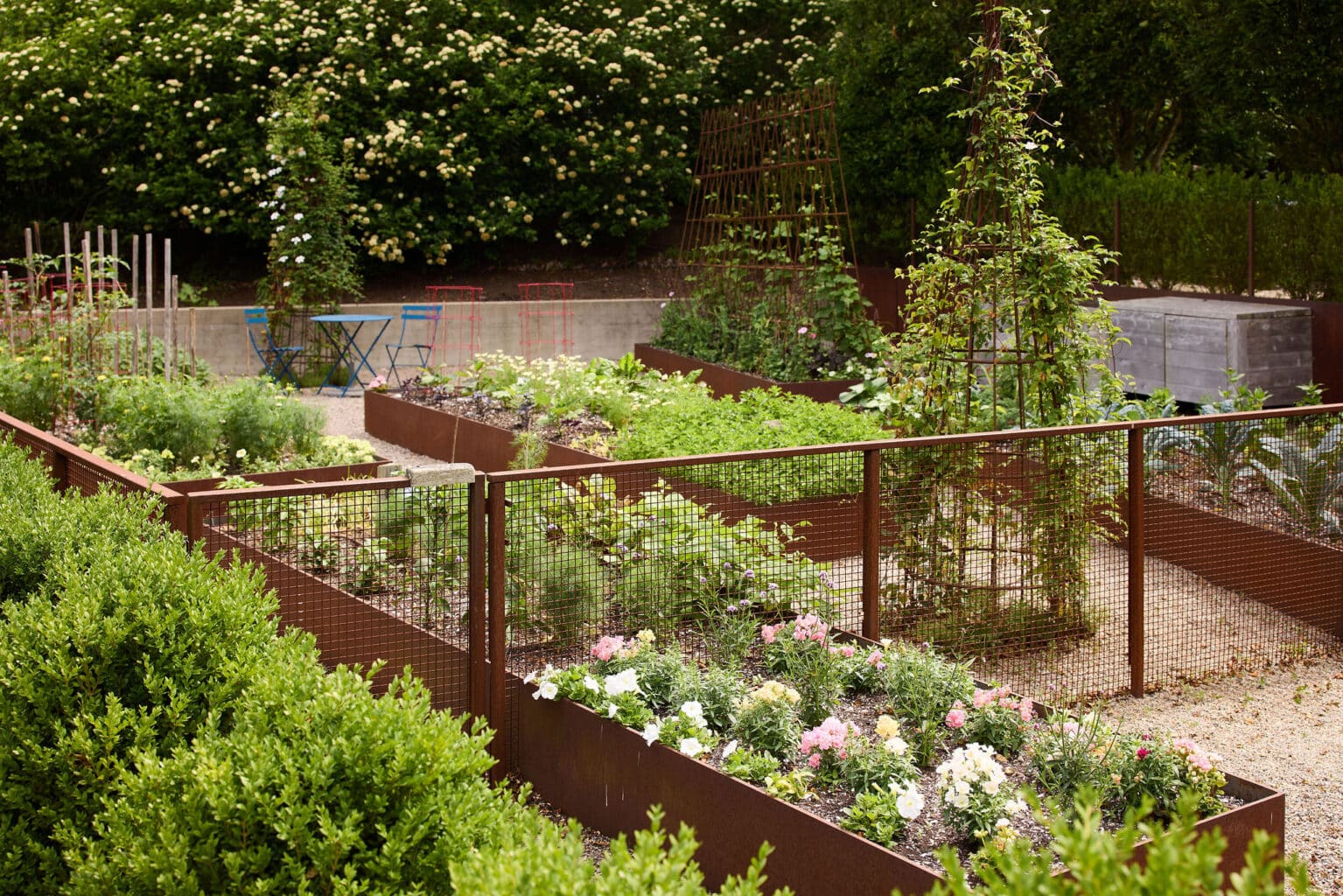
Parterre Garden Services notes that designers may also introduce temporary protective measures during a garden’s early stages. “Low-profile temporary fencing is an important addition we made,” Parterre notes, explaining that rabbits and groundhogs can threaten young plantings before they become established. Avoiding pesticides is another essential practice for protecting pollinator health.
In one project, the pollinator garden sits beside a family patio so homeowners can watch pollinators at work throughout the day. “This diverse and robust pollinator garden is situated adjacent to the patio for maximum viewing and enjoyment,” Parterre says, adding that nearby water features also support wildlife health.
Growing Resilient New England Landscapes
Pollinator gardens represent a shift toward landscapes that are both beautiful and ecologically resilient. Whether woven through vegetable gardens, planted as meadow transitions, or placed near outdoor living spaces, these gardens connect people to the natural rhythms of their land, transforming the everyday experience of a landscape
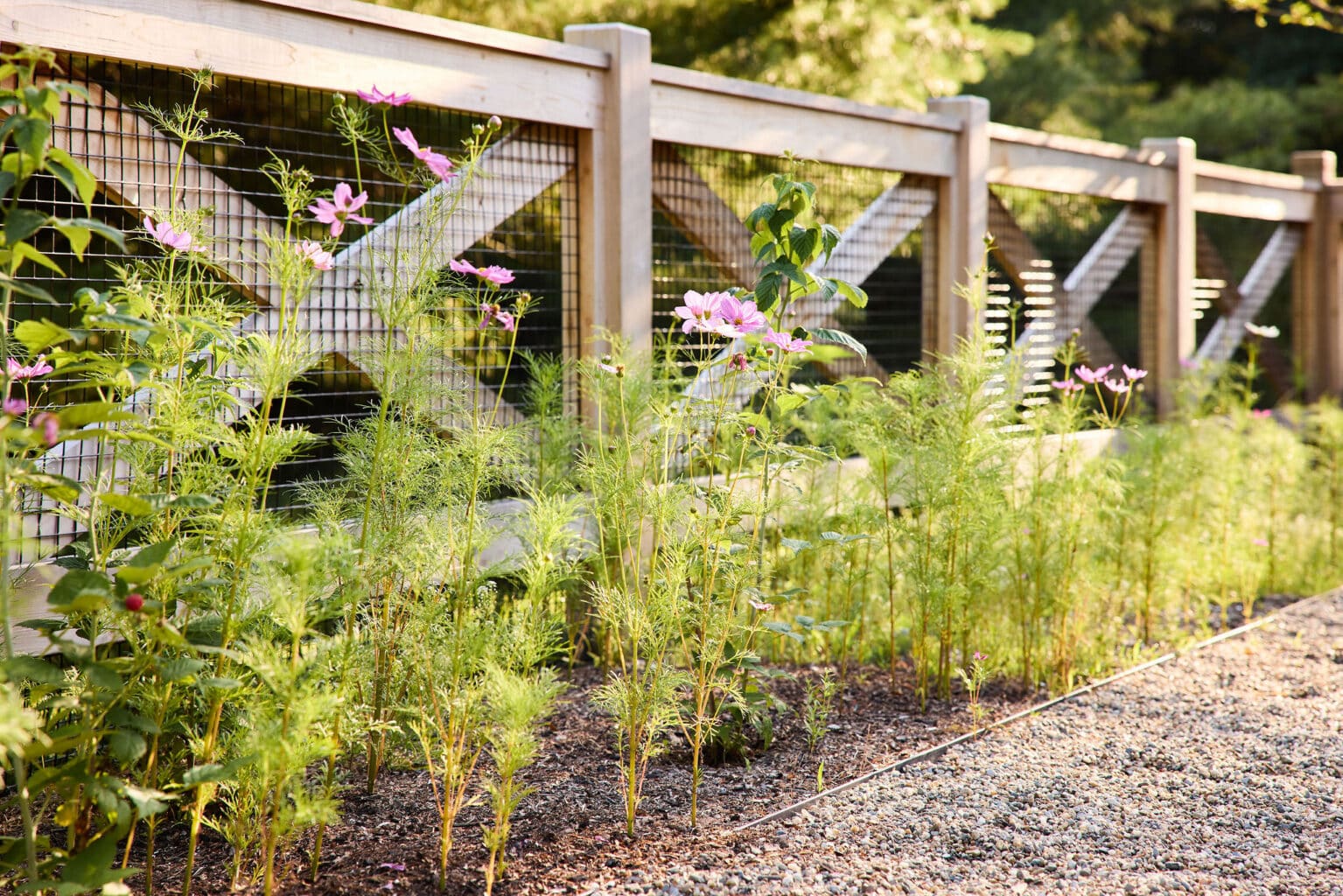
In thoughtfully designed residential landscapes, pollinator gardens are far more than ecological patches. They can become refined design features that add layered texture, movement, and seasonal color to any property. With thoughtful design and mindful maintenance, pollinator gardens enrich residential properties while supporting the ecosystems that make New England landscapes thrive.
