
Rooms that Bloom: How Wall Murals Are Transforming Interior Design
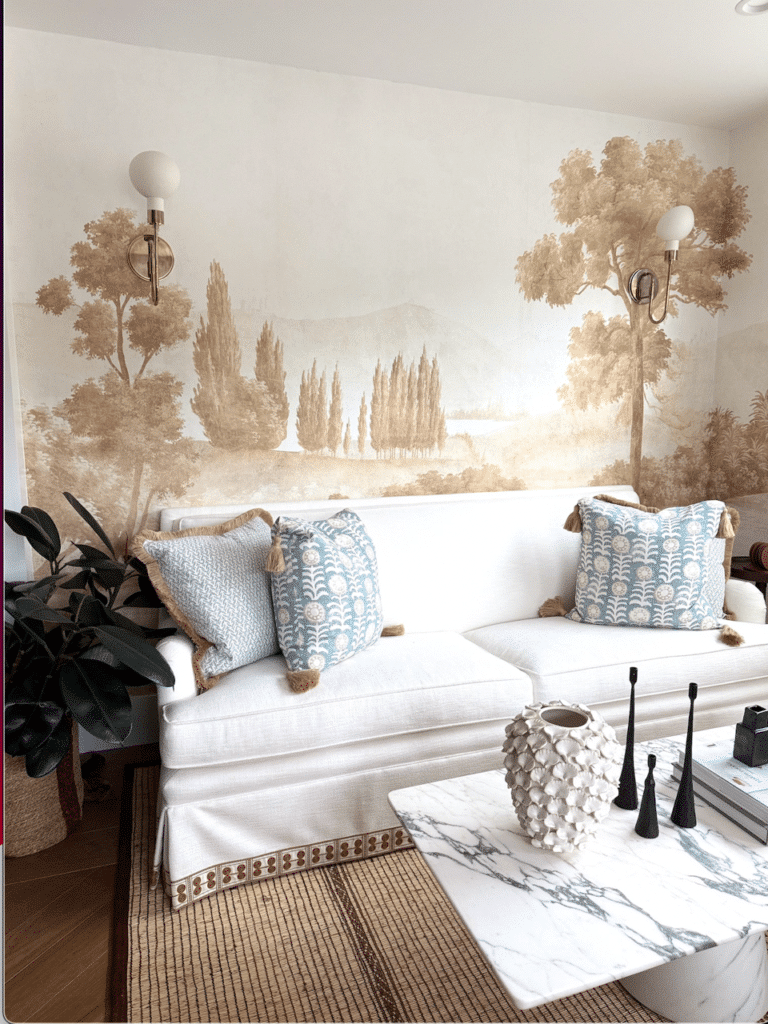
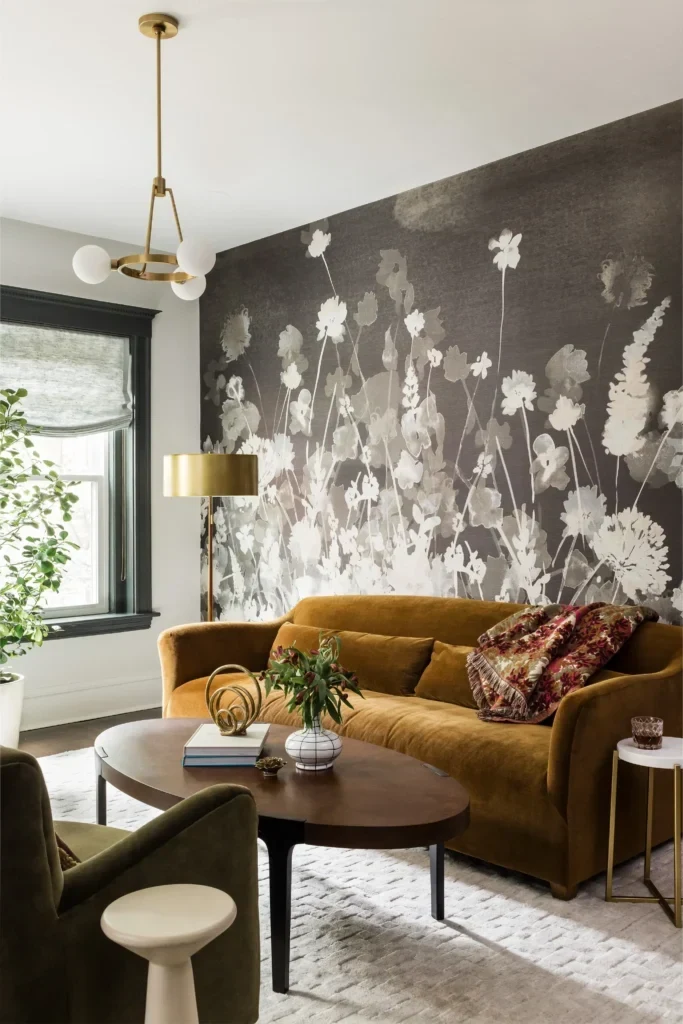
Wall murals are transforming interior design by turning bare walls into immersive, nature-inspired environments. From hand-painted botanicals and misty forests to watercolor florals and still water scenes, murals are no longer decorative afterthoughts. They are the defining atmosphere of a room.

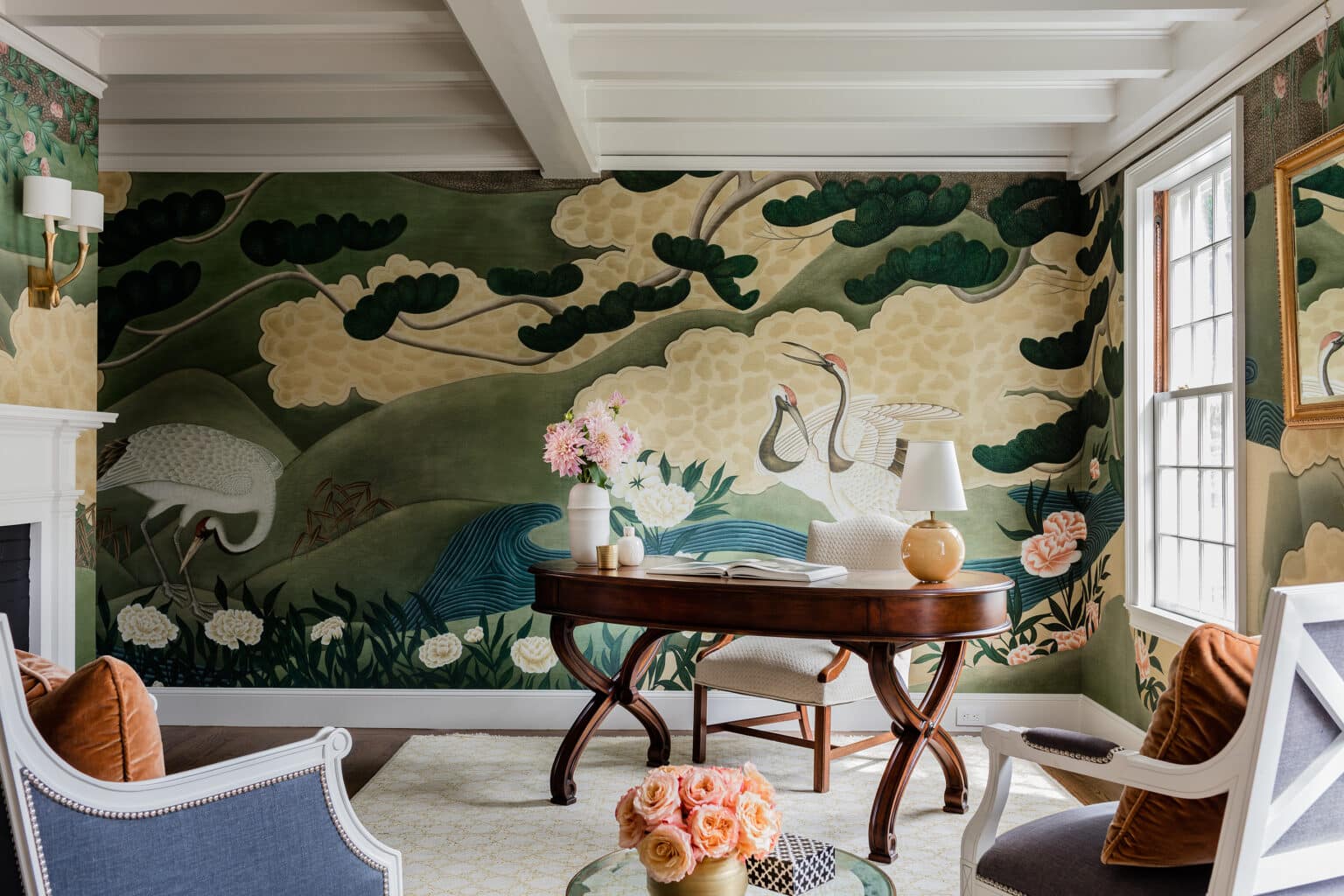
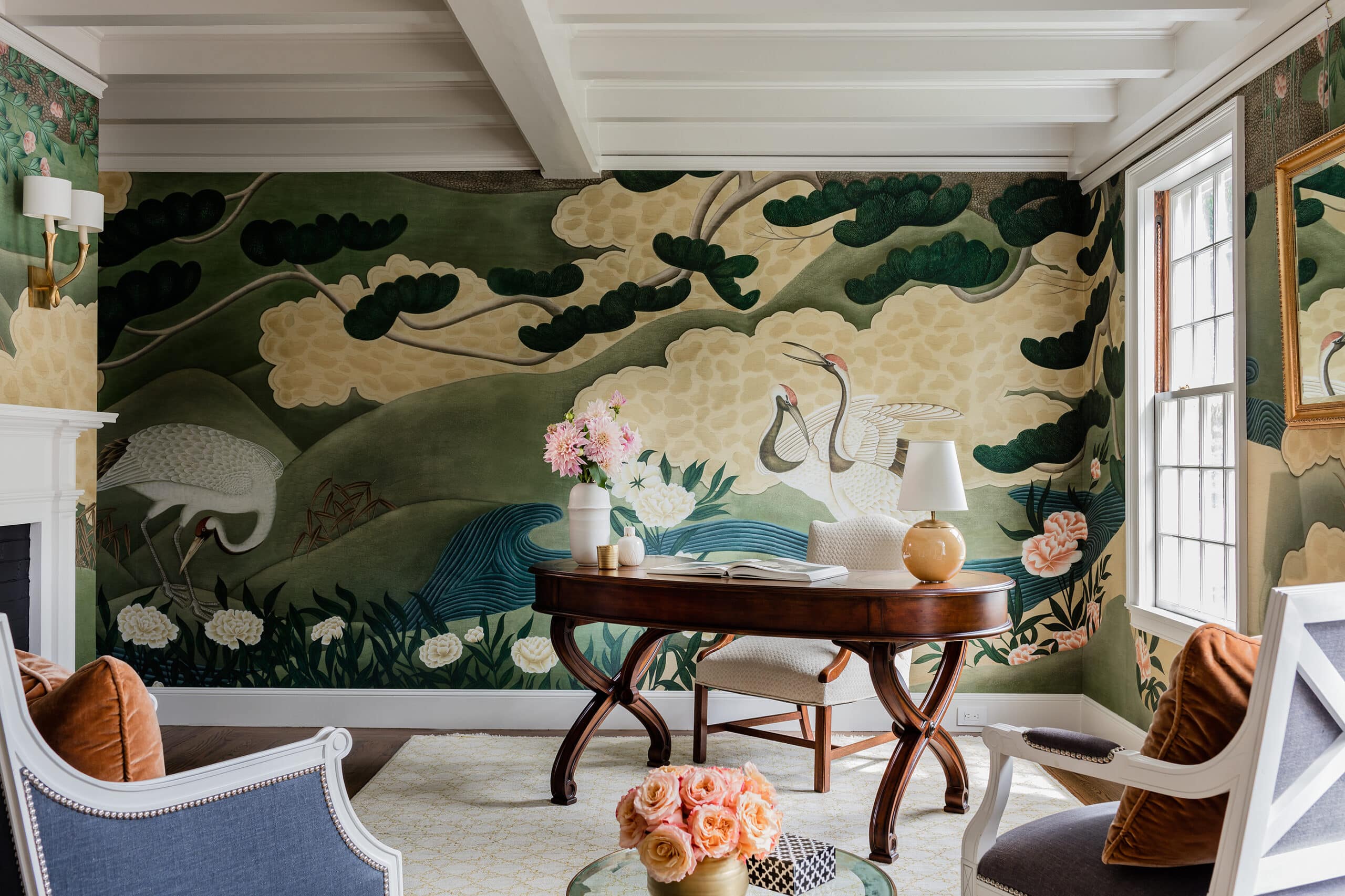
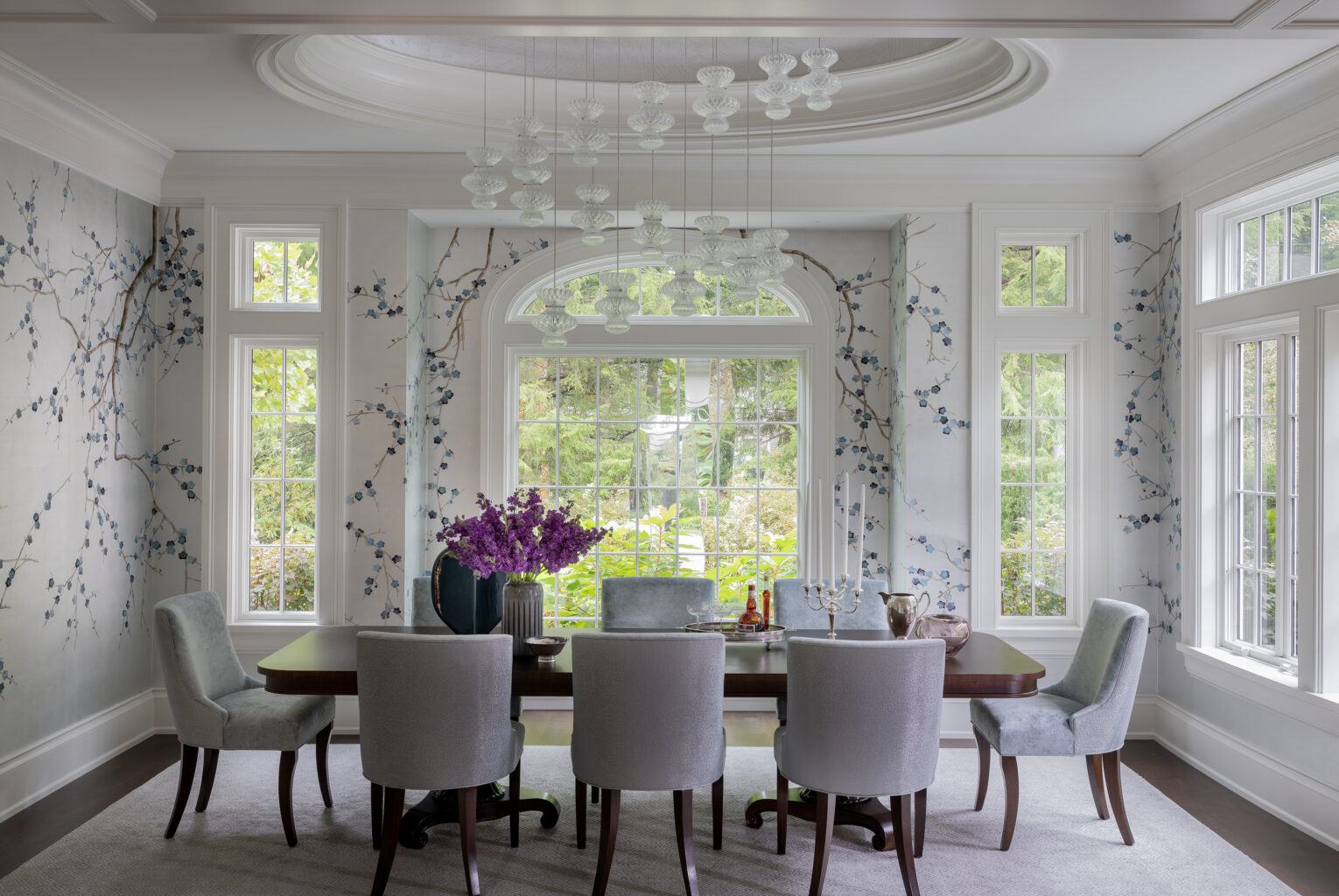
(Builder: Cape Associates, Inc., Interior Design: Ariel Okin, Photography: Donna Dotan)
Why Nature-Inspired Wall Murals Are Trending in Interior Design
Nature murals bring the calming qualities of the outdoors into the home. A mural of delicate branches across a dining room wall or a soft landscape behind a bed fundamentally changes how a space feels. Instead of functioning as a background, the wall becomes an active part of the room experience. Nature imagery encourages slower, quieter inhabitation of a space, which is why designers increasingly use it in bedrooms, living rooms, and dining areas.
Research in environmental psychology supports this: visual exposure to natural scenes reduces stress and promotes calm. Murals tap into this response, giving interiors an emotional quality that furniture and paint colors alone cannot deliver.
How Murals Integrate With Architectural Detail
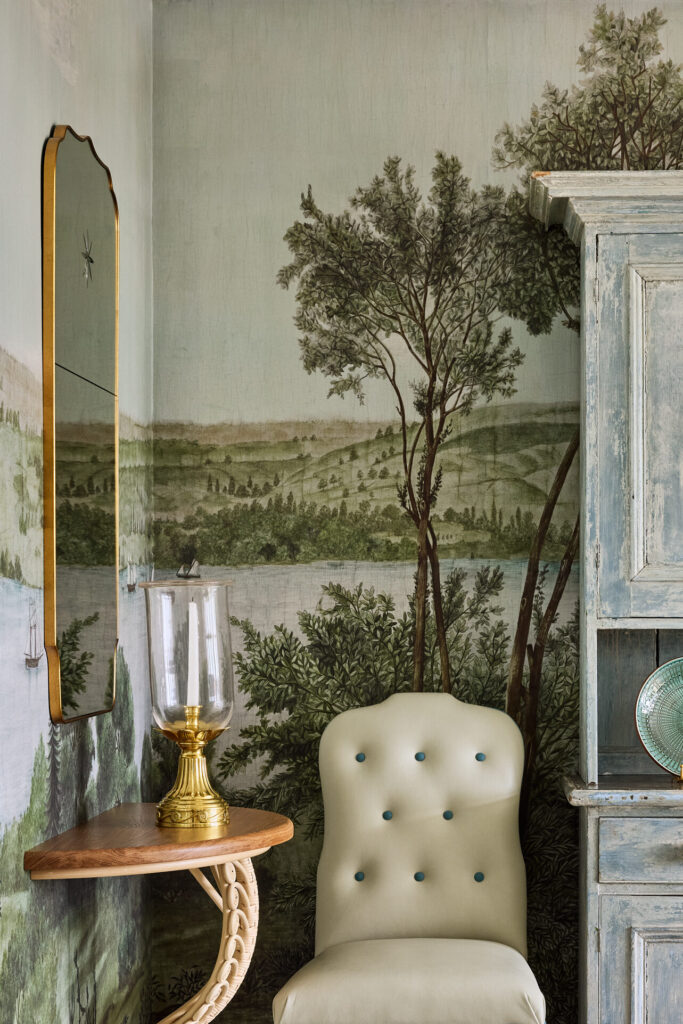
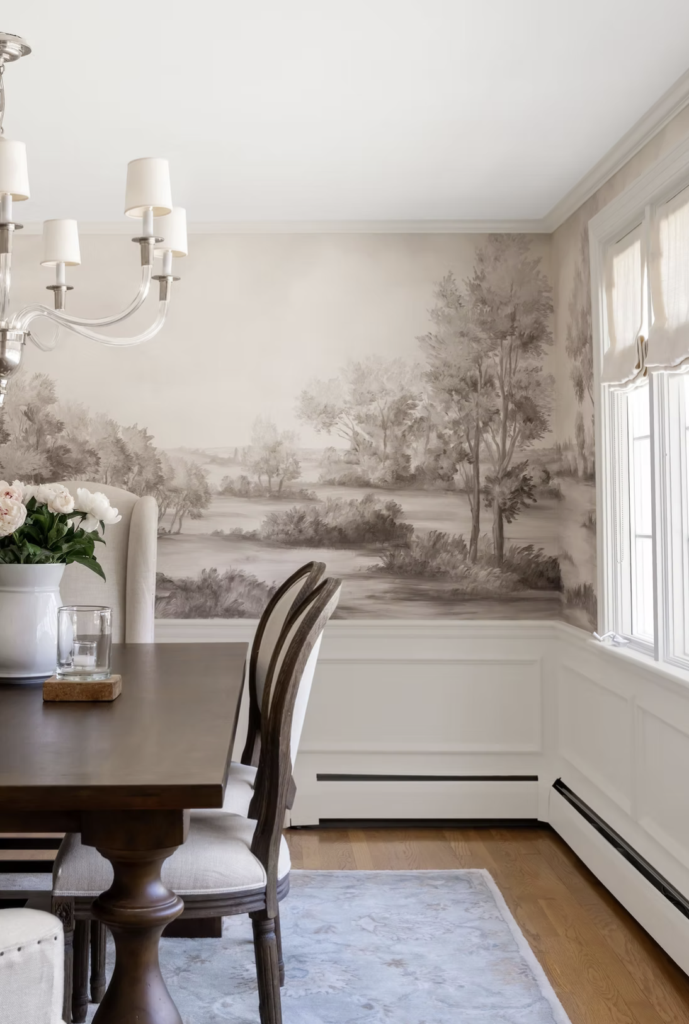
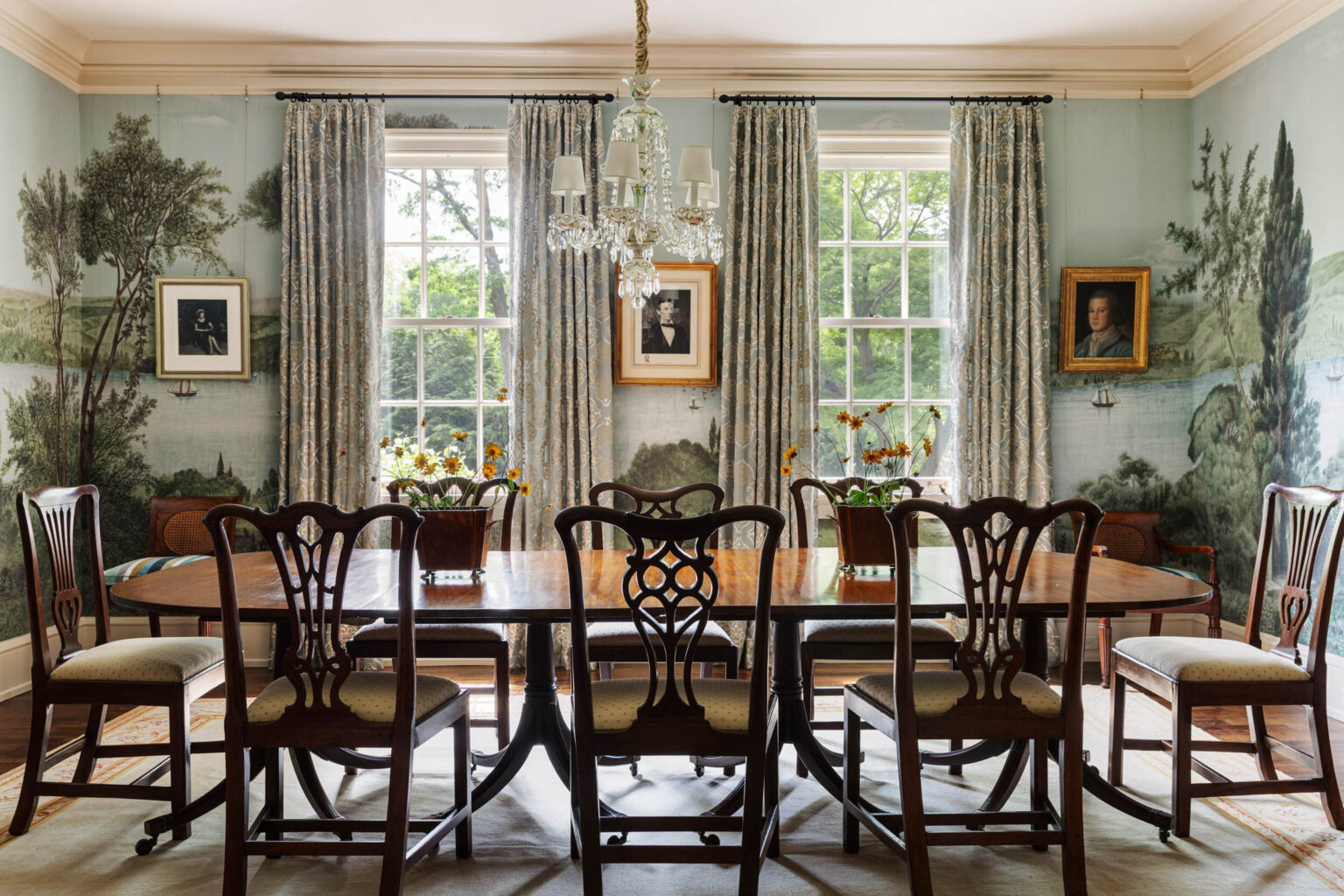
One of the most striking developments in contemporary mural design is how imagery interacts with architectural elements. Murals applied across paneled walls, framed within millwork, set against exposed brick, or interrupted by molding and cabinetry create a layered visual effect. The contrast between structured millwork and organic natural forms produces a refined yet romantic tension that feels both tailored and alive.
This integration is what distinguishes a well-designed mural installation from simple wallpaper. When mural imagery is woven into the architecture of a room, it reads as a living element of the home rather than a surface treatment.
Wall Murals as Wallpaper vs. Hand-Painted Works
Wall murals are available in two primary formats: mural wallpaper and hand-painted originals. Mural wallpaper offers precise reproduction of botanical, landscape, and floral scenes and installs across large surfaces quickly. Hand-painted murals offer uniqueness and the ability to respond directly to a room’s proportions, colors, and architectural features.
Both formats are widely used in high-end residential and commercial interior design. The choice between them depends on budget, timeline, and the level of customization required.
What Rooms Benefit Most From Nature Murals
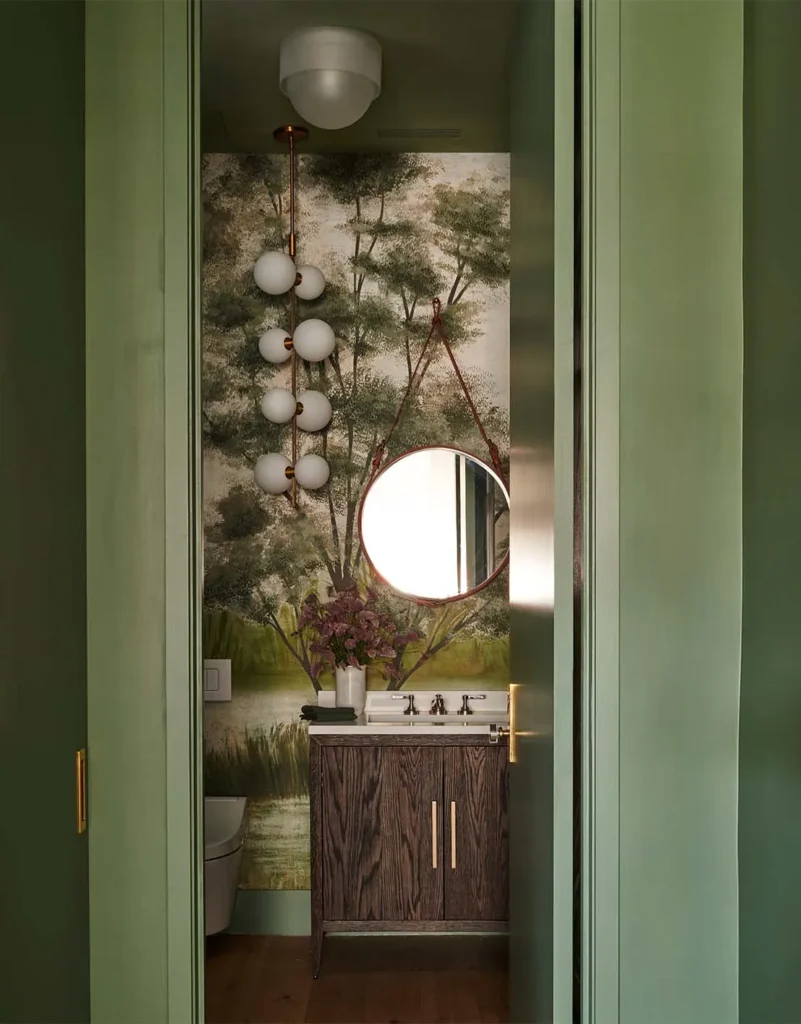
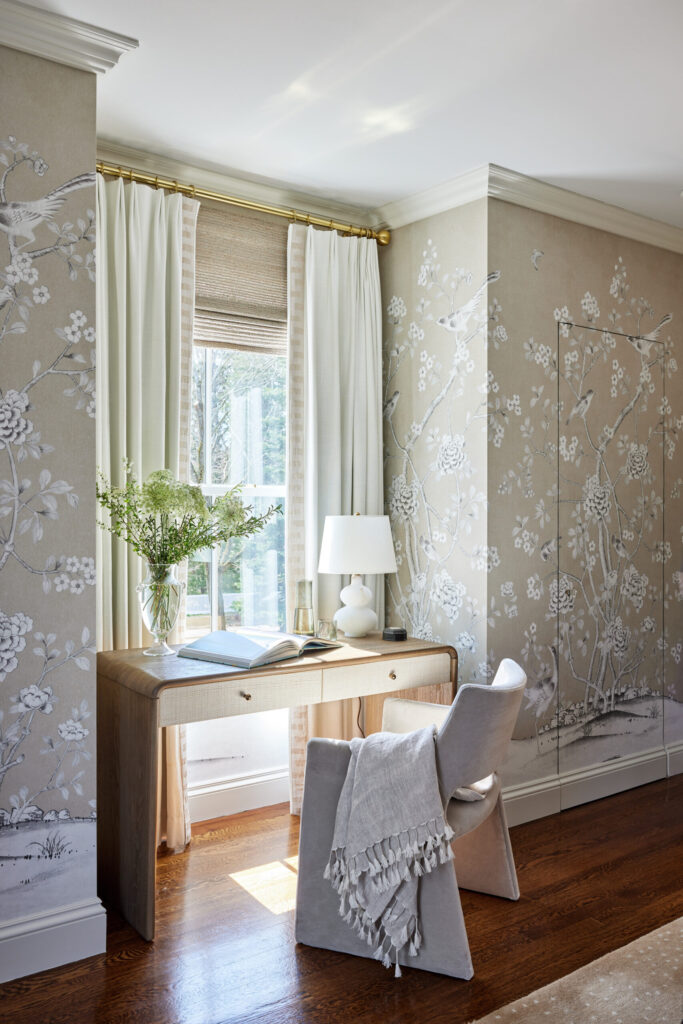
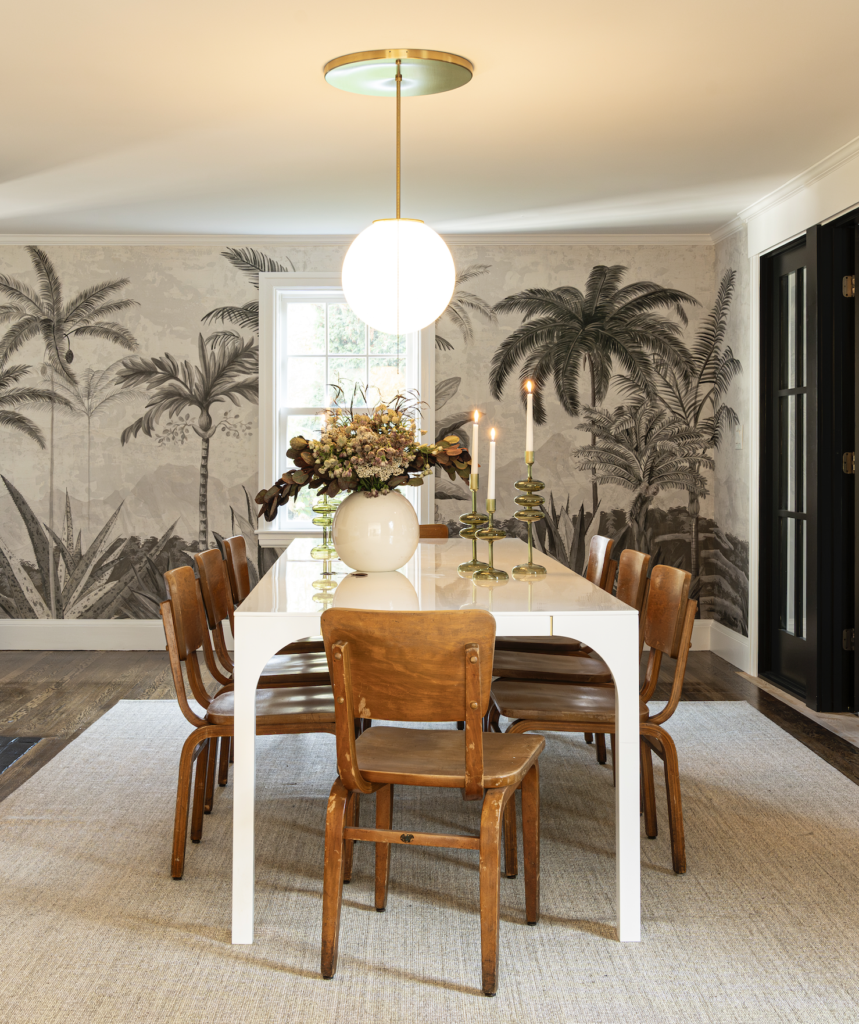
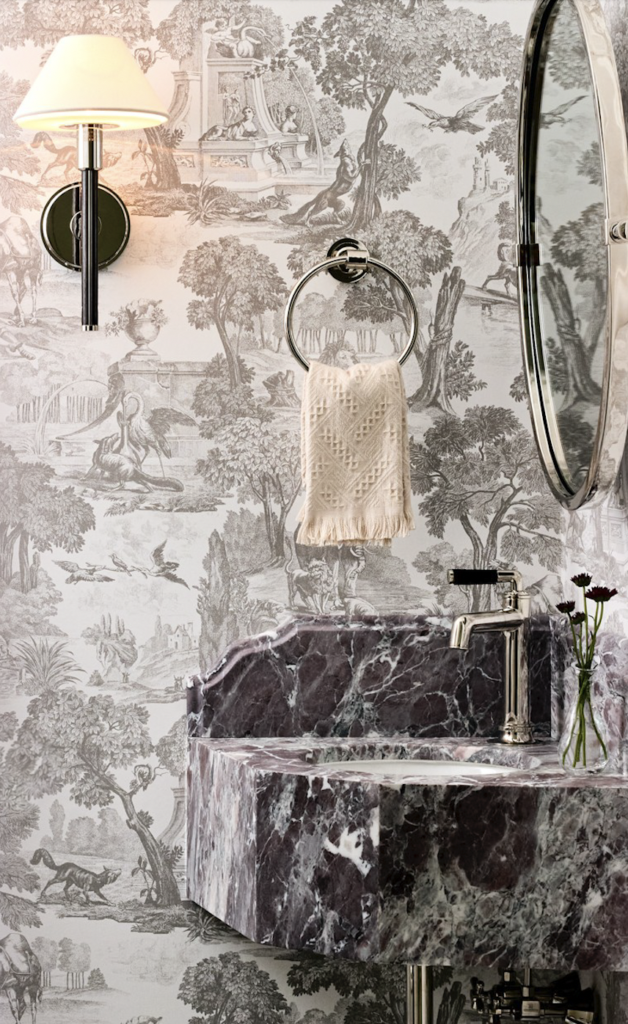
Dining rooms, primary bedrooms, hallways, and home offices are the most common spaces for nature mural installations. A canopy of trees climbing toward the ceiling transforms a dining room into an immersive gathering space. A watercolor shoreline running the length of a corridor creates movement and depth in an otherwise transitional space. In bedrooms, soft landscapes or botanical scenes support rest and relaxation.
Murals are also increasingly used in hospitality design, including hotel rooms, spas, and restaurant interiors, for the same reason they work in homes: they create a sense of place and emotional resonance that other finishes cannot match.