

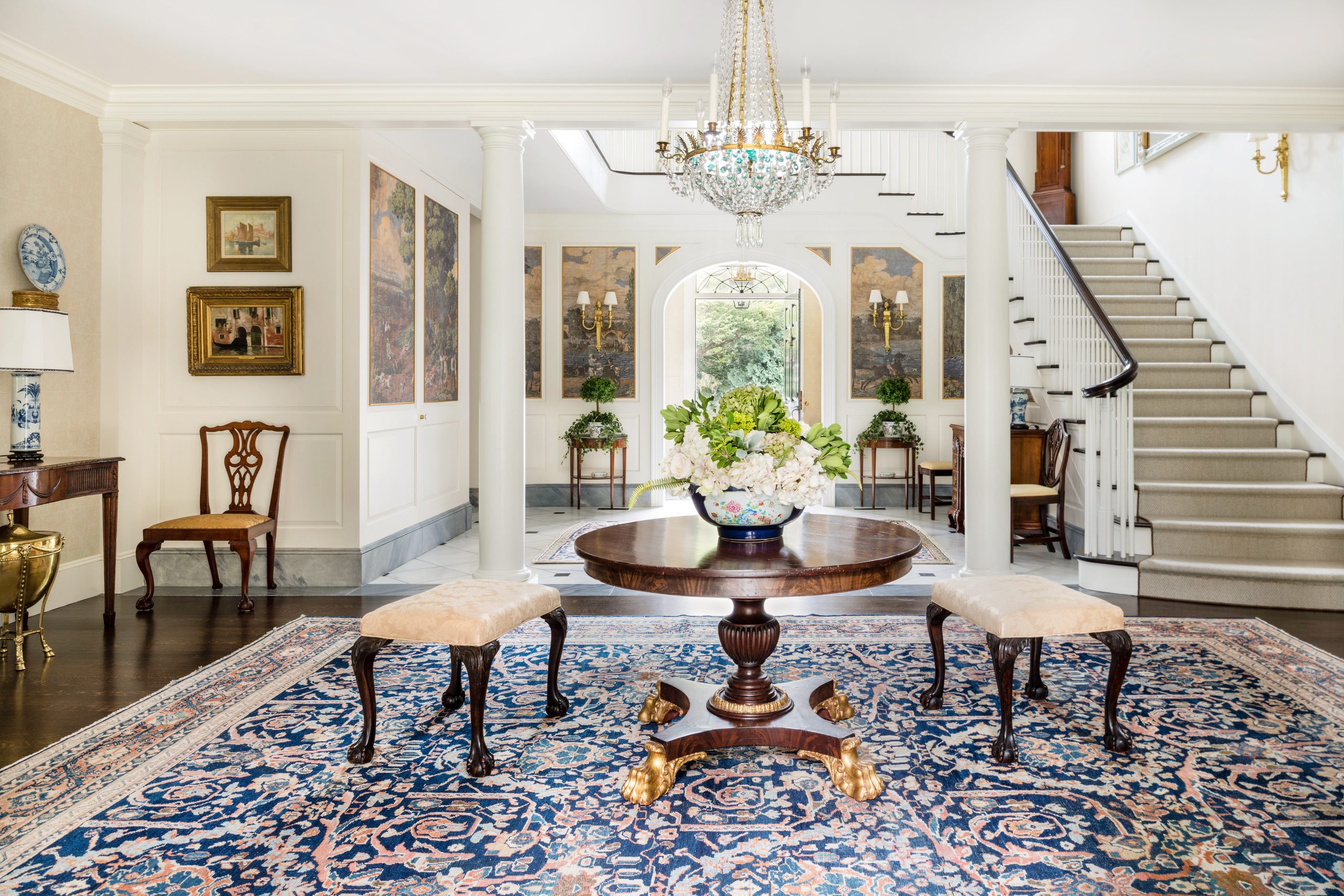
A Timeless Love Affair: The Enduring Appeal of Romantic Design
Romanticism has long been celebrated for its ornate, opulent flair, which blends sensitivity with grandeur. Born from the Romantic Movement of the 18th and 19th centuries, this style is playful, passionate, and utterly indulgent, giving self-discovery and imagination room to flourish.
A Brief History of Romanticism
Romanticism began in Europe in the late 18th century, when artists, writers, and thinkers sought a retreat from the rigid rationalism of the Enlightenment and the rapid change of the Industrial Revolution. Many looked to an idealized medieval past for inspiration, where castles, Gothic cathedrals, and legends stood at the center of daily life.
With a deep reverence for history and simpler times, Romanticism became a form of escapism for people seeking individualism and self-expression.
Focused less on the relentless march of progress and more on emotion and imagination, both art and living spaces were reimagined in ways that spoke to the heart and soul.
The Allure of Romantic Style in the Home
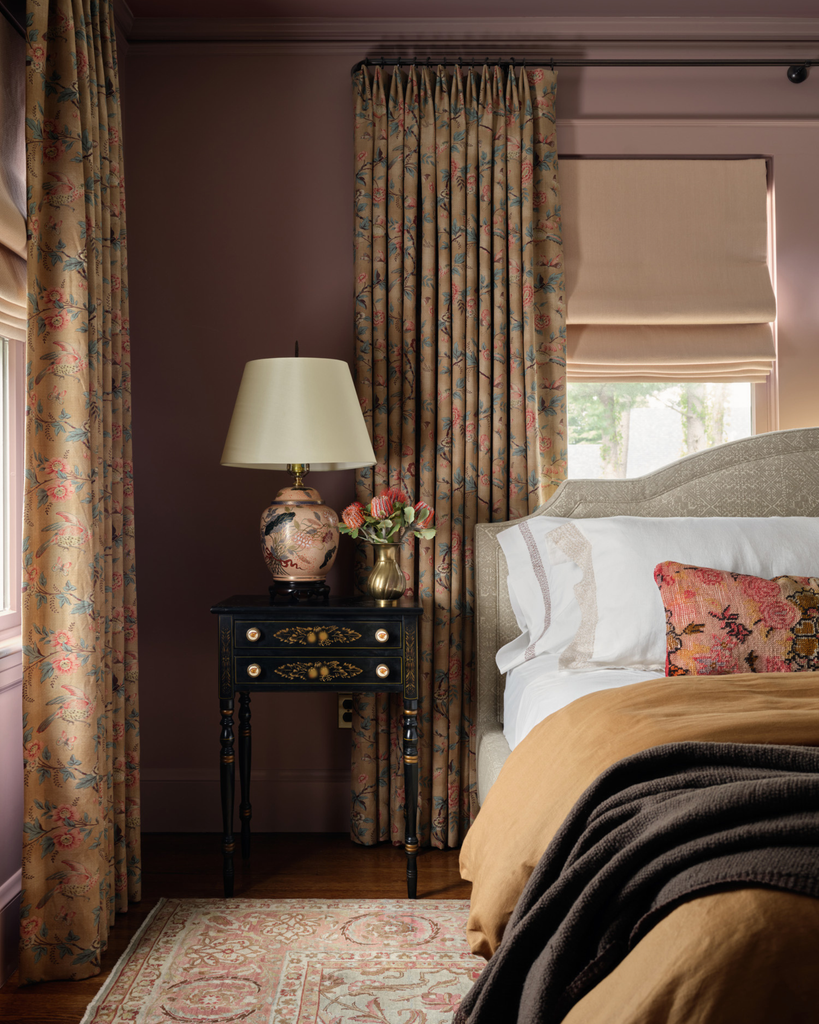
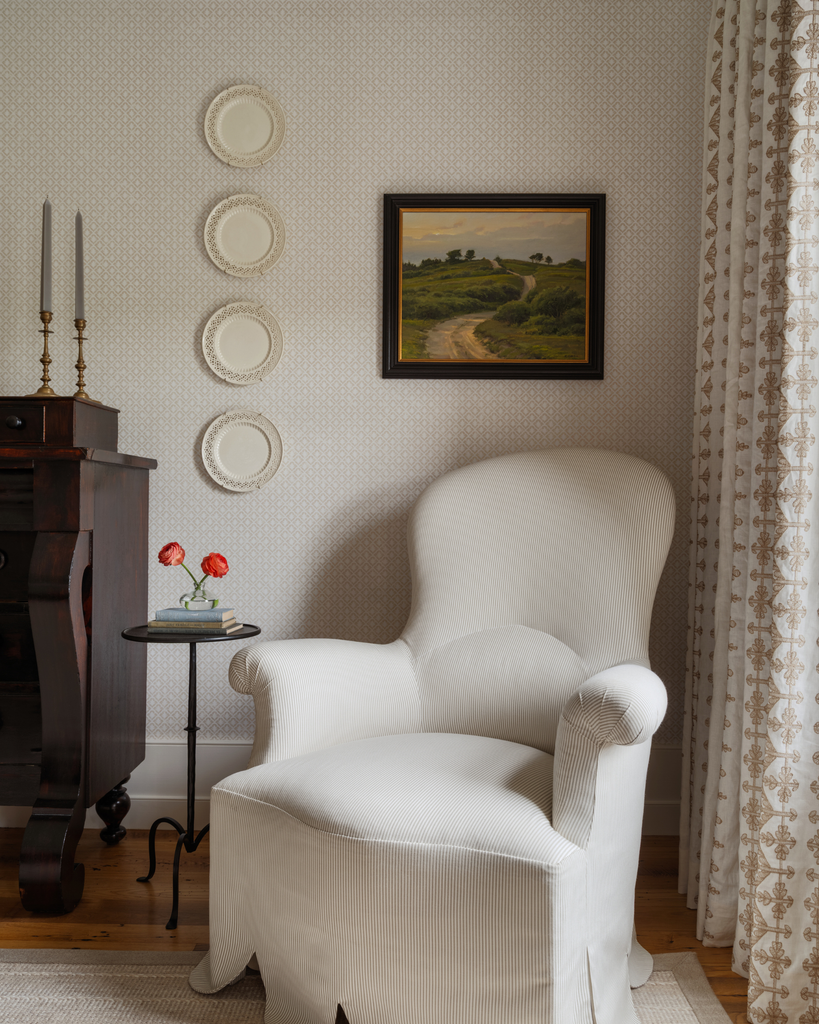
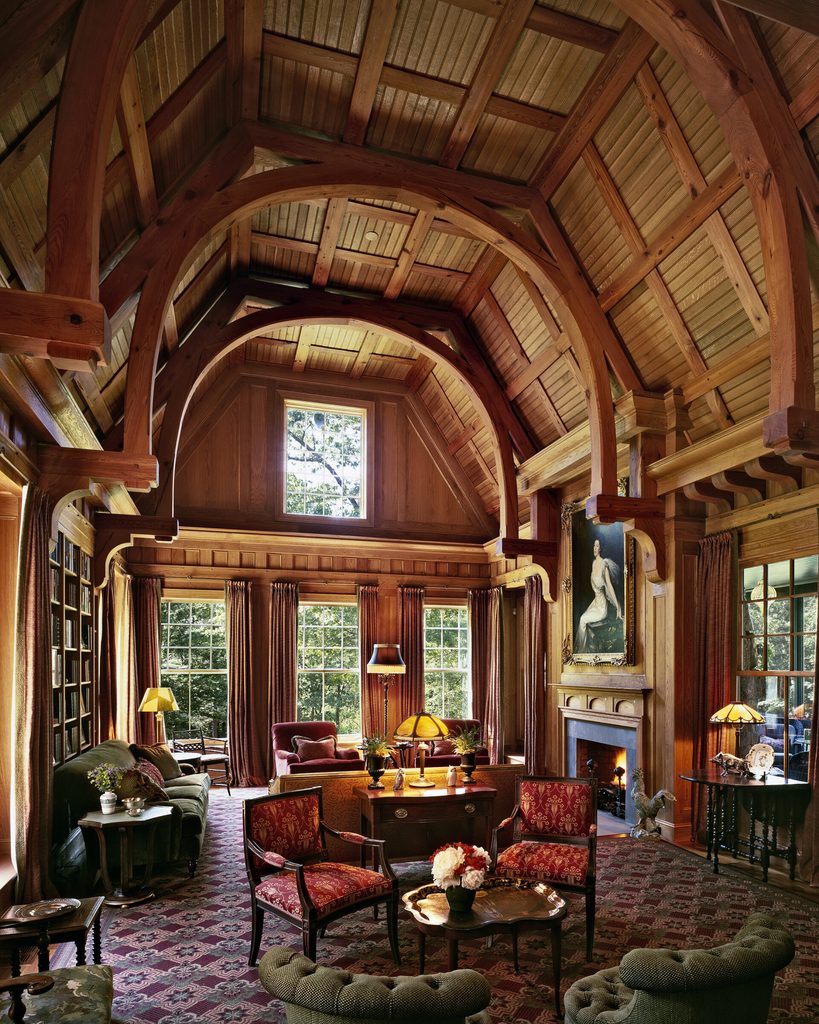
Romanticism’s balance between drama and comfort is perhaps its most charming quality. Romantic interiors feel whimsical, dreamlike, and lived-in, offering their occupants a brief escape from everyday life.
These spaces don’t feel meticulously arranged. Instead, they feel fluid and intuitive, carrying a sense of wonder inspired by natural beauty.
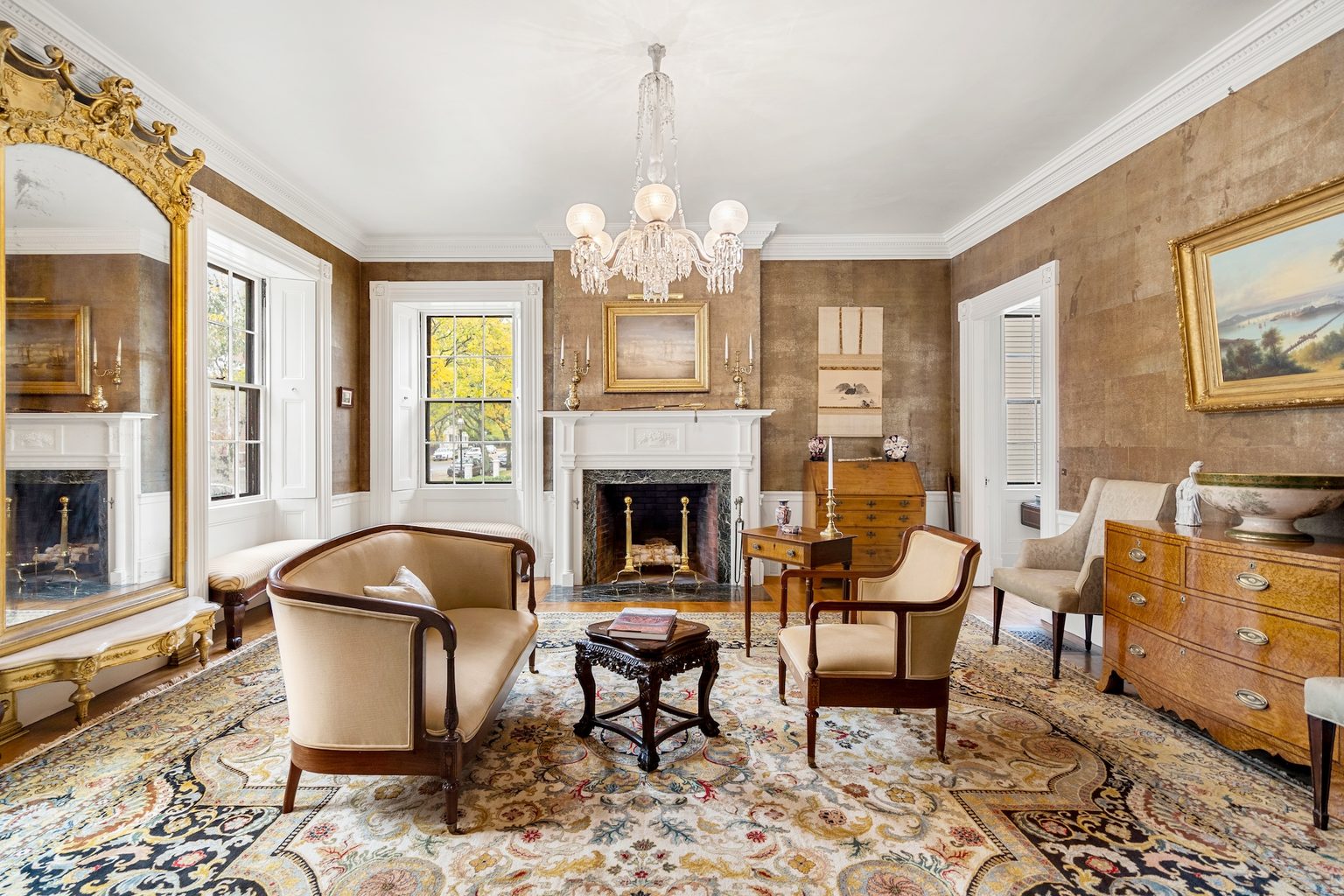
In modern home design, romantic style is valued for its ability to blend influences from many eras. It appeals especially to people who love historical references, antiques, and period pieces.
Love Lies in the Details: Key Elements of Romantic Style
The magic of romantic interior design lies in its layers of detail, which come together in a harmonious blend of passion and playfulness.
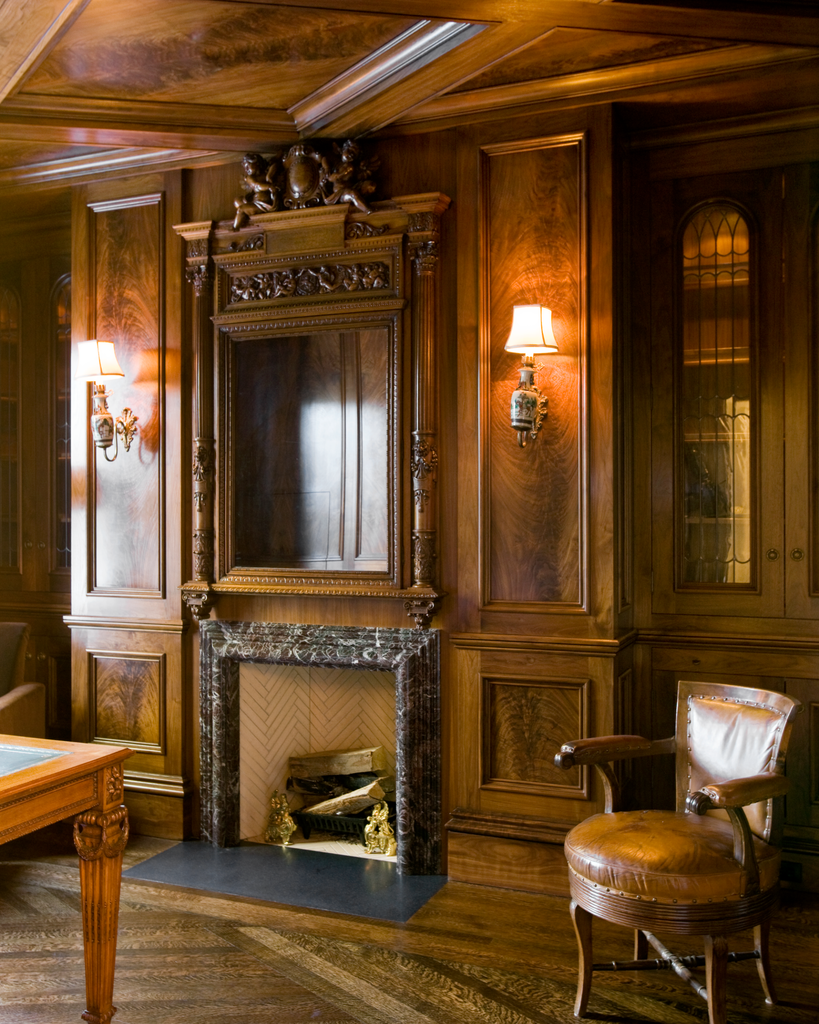
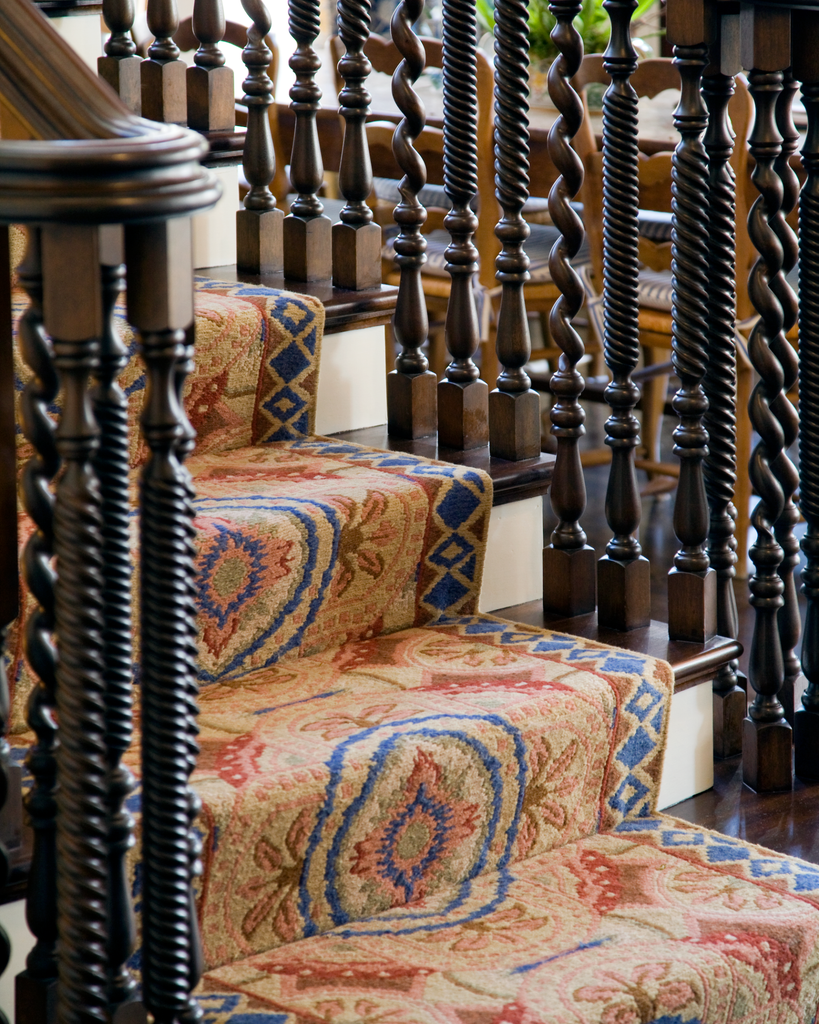
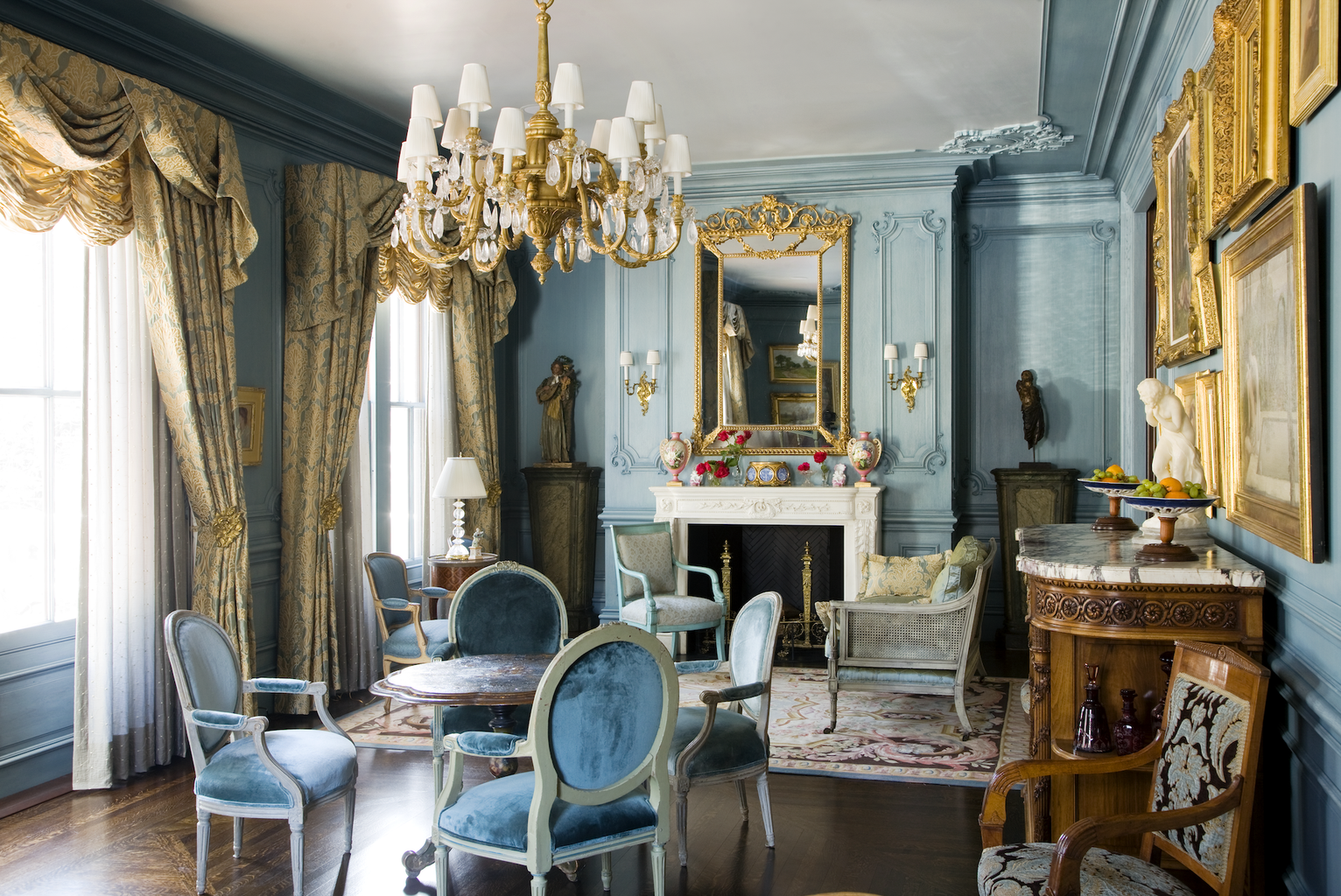
- Draped in luxury: High-quality fabrics such as velvet, plush cotton, silk, and satin create a dramatic, flowing feel. Billowing curtains and canopy beds bring sheltered elegance to intimate spaces, while lace, embroidery, ruffles, and tufted upholstery add softness and texture.
- Fragile yet flamboyant: Porcelain, trinket boxes, and crystal chandeliers add opulence and a delicate sparkle that catches the light.
- Delicately adorned: Distressed metals, jewel tones, intricately carved frames, tassels, claw-foot furniture, carved banister spindles, and candlelight give every corner an ornate, time-worn character.
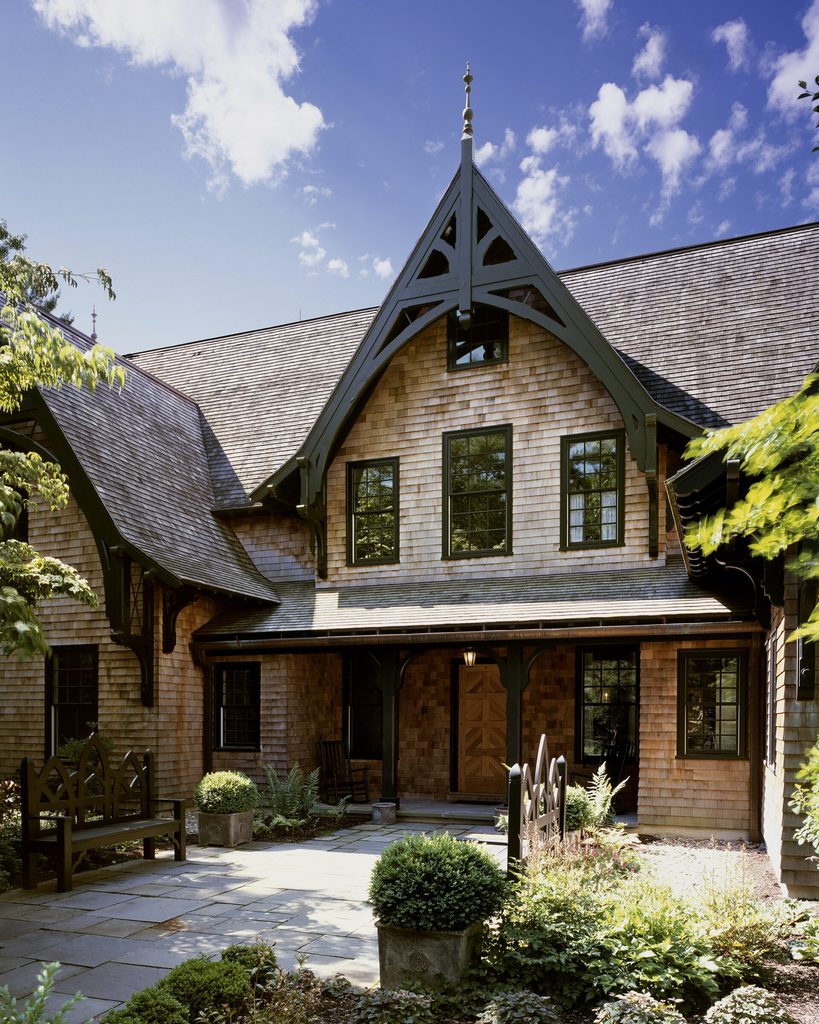
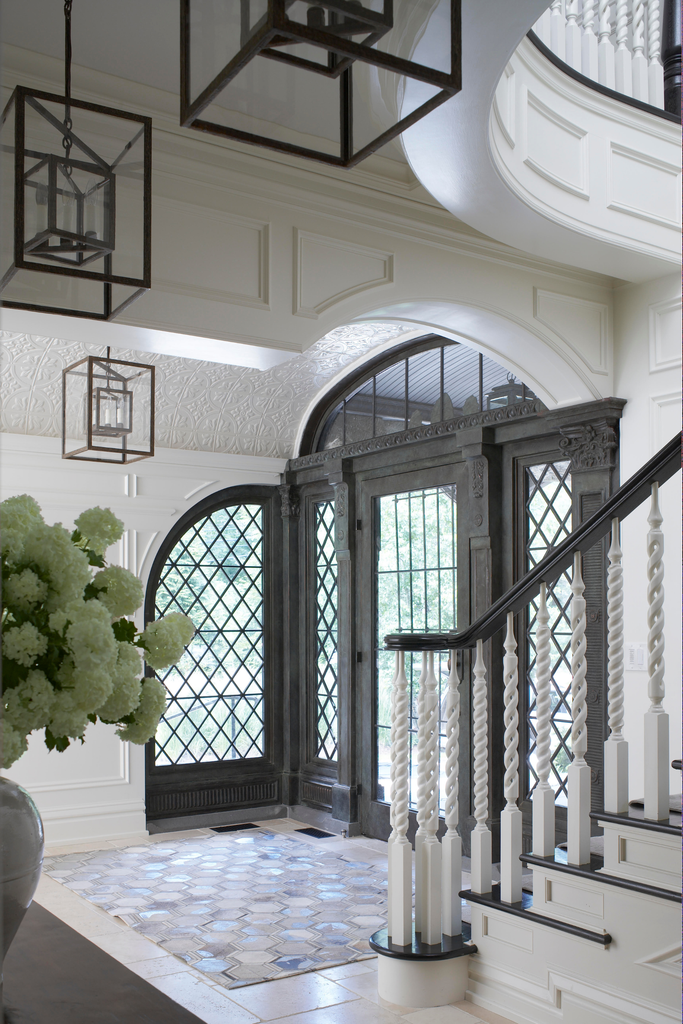
- Embellished exteriors: Peaked roofs, pointed windows, arches, and decorative moulding, all hallmarks of Gothic Revival architecture, carry the romantic spirit to the outside of the home.
- Flora and fauna: Botanical wallpapers, silhouettes, and floral prints pay tribute to nature and bring a fresh, organic softness to the room.
Bringing Romance Home
Creating a romantic home is a gradual process. It’s an accumulation of high-quality, meaningful pieces that can be passed down for generations.
- Start with Heirlooms and Keepsakes
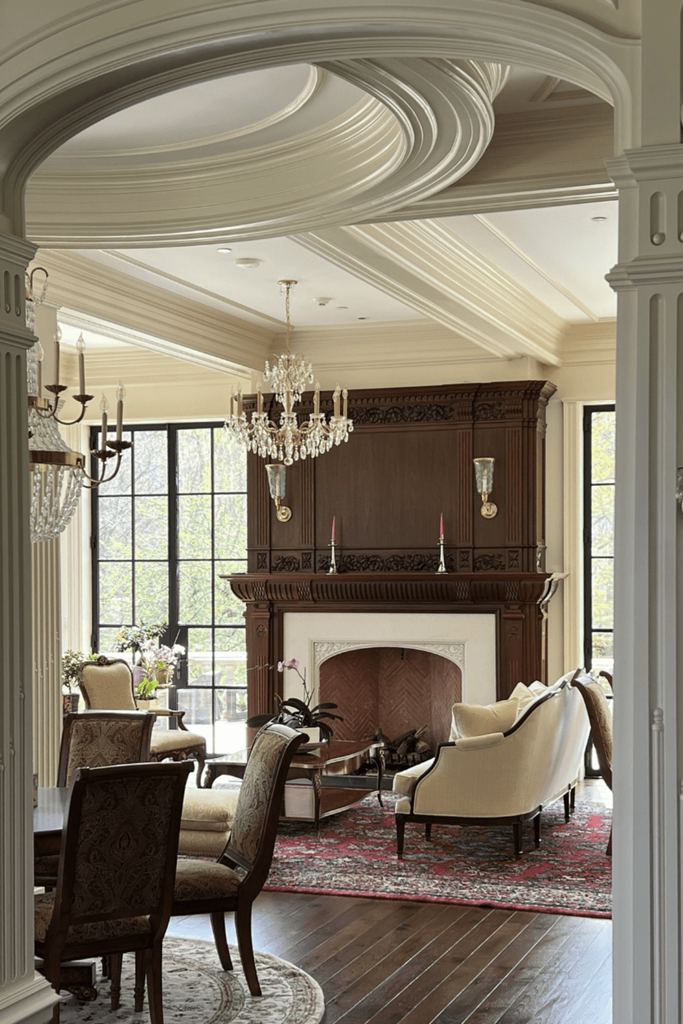
Begin with heirloom pieces and sentimental keepsakes that tell a story. Vintage china sets and antique rugs are easy ways to add a nostalgic feel. - Set the Mood with Lighting
Lighting plays a major role in creating a romantic atmosphere. Swap harsh overhead lighting for warm, ambient mood lighting. Taper candles are especially effective, and they become even more decorative in candelabras or glass hurricane holders. - Restore Instead of Replace
Instead of buying new furniture, refresh older wood pieces with furniture polish. The same approach works for old lamps, wingback chairs, and dining tables, bringing their time-worn character back to life. - Add Botanical Accents
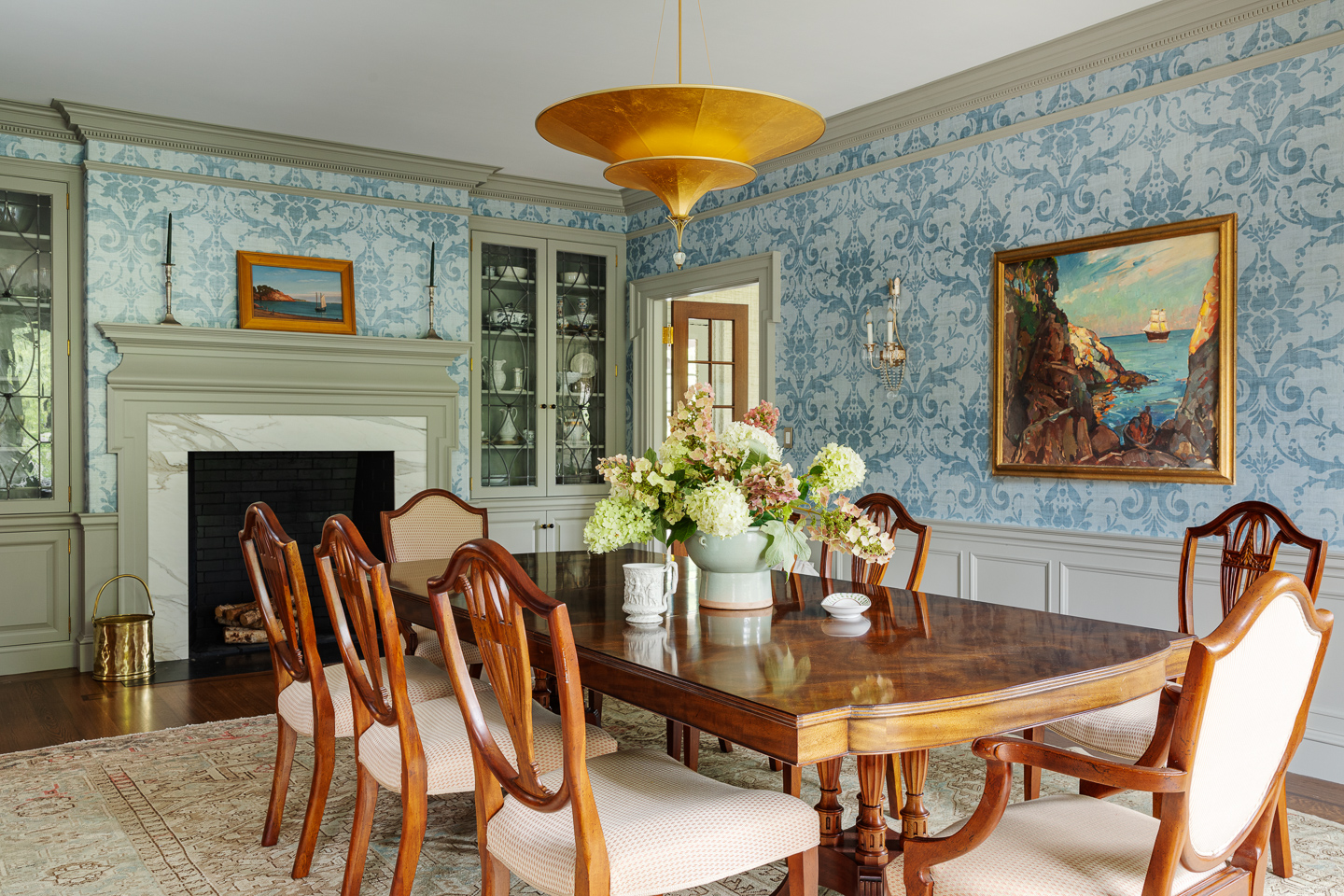
Dried florals such as hydrangeas make timeless, elegant accents for dining tables, entryways, and anywhere guests gather. - Layer Vintage Linens and Silver
Vintage linens and silver platters dress up plain tables, dressers, and hutches. Slipcovers can also breathe new life into older chairs.
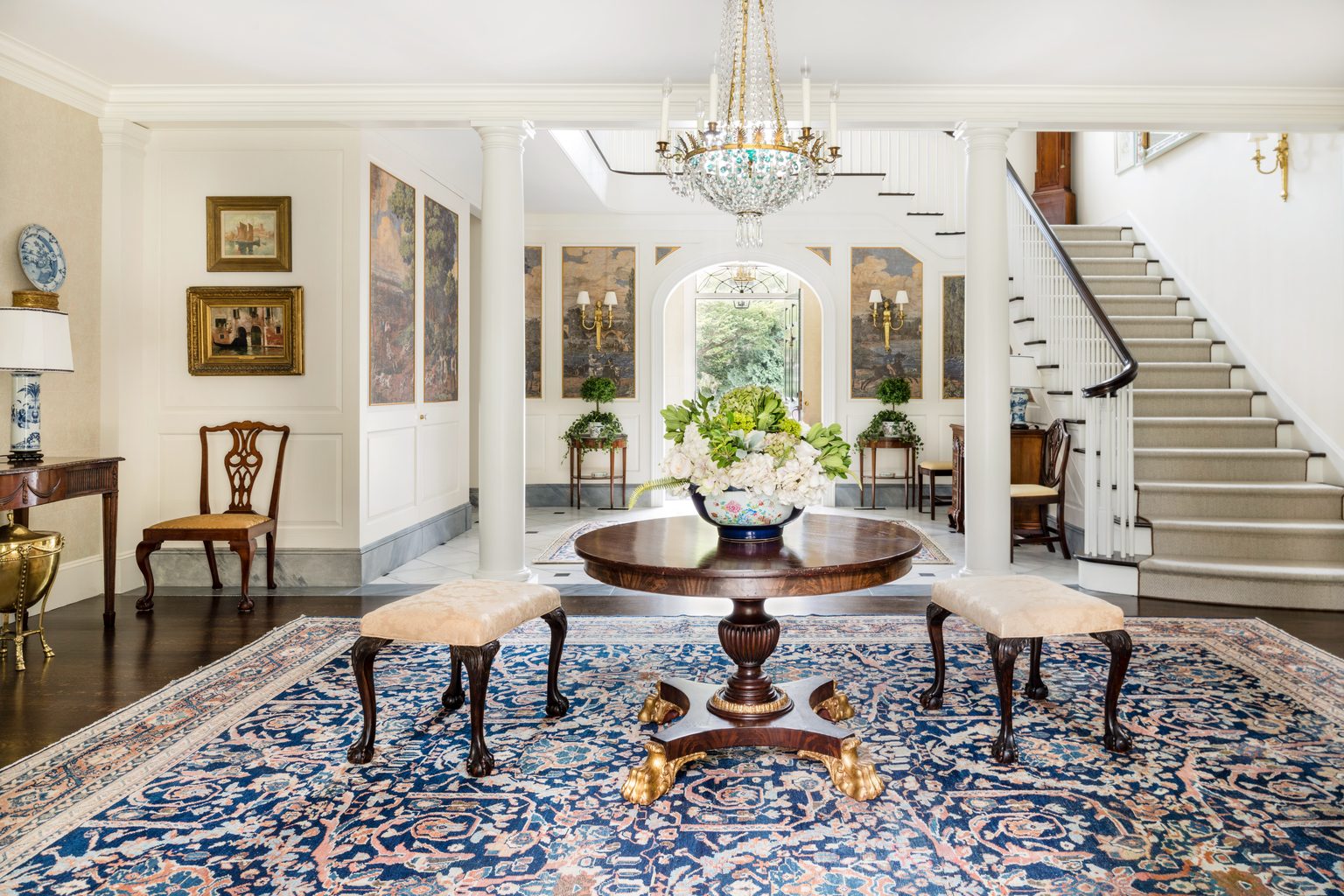
At its core, Romanticism explores love, longing, and melancholy. Bringing the style into your home invites you to look closely at the objects around you and ask whether each one truly reflects who you are and what you love.
Above all, it encourages you to let your imagination lead and create a space that feels unmistakably yours, filled with the things you hold near and dear.
