

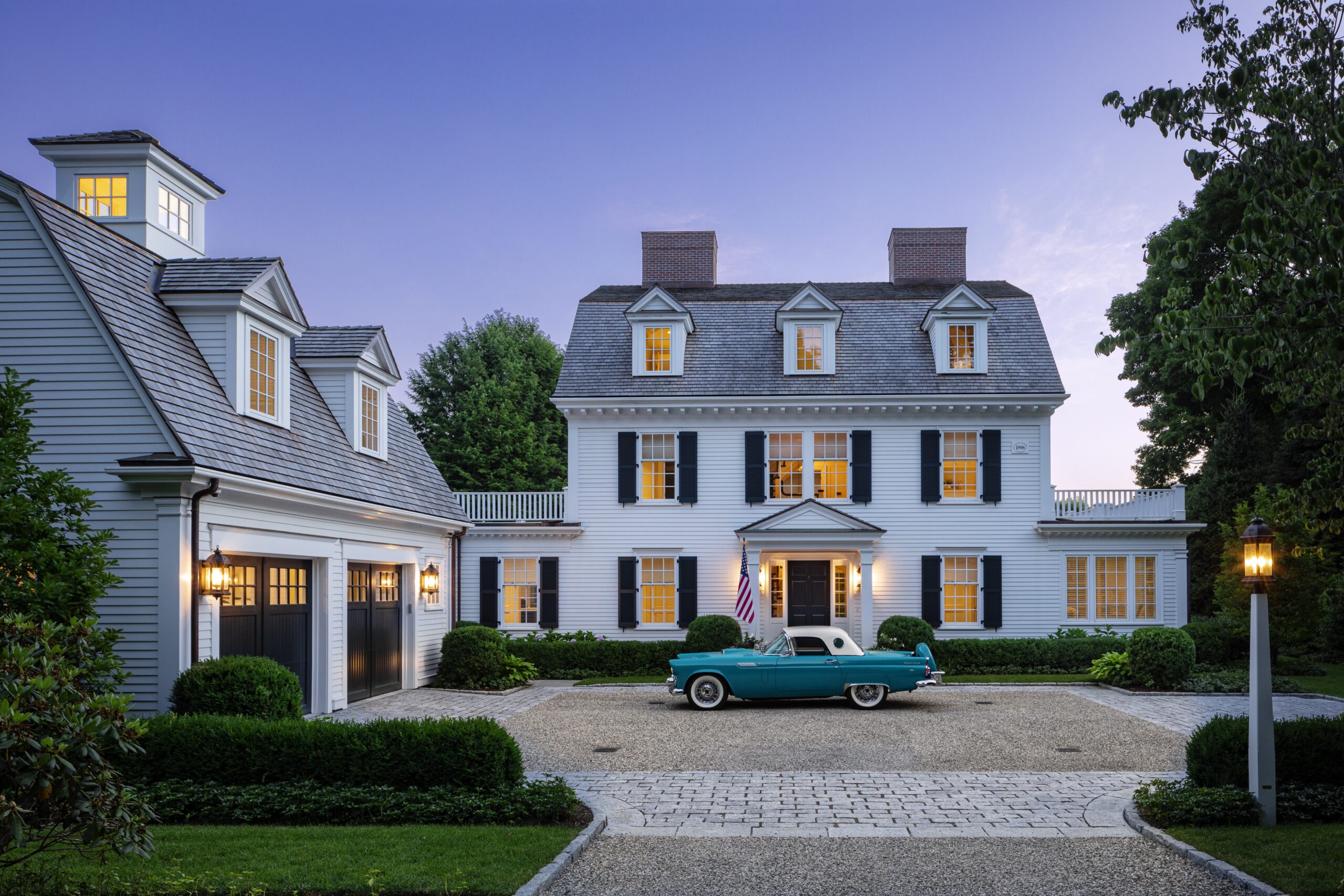
Patrick Ahearn’s Driven: The Road to Iconic Design
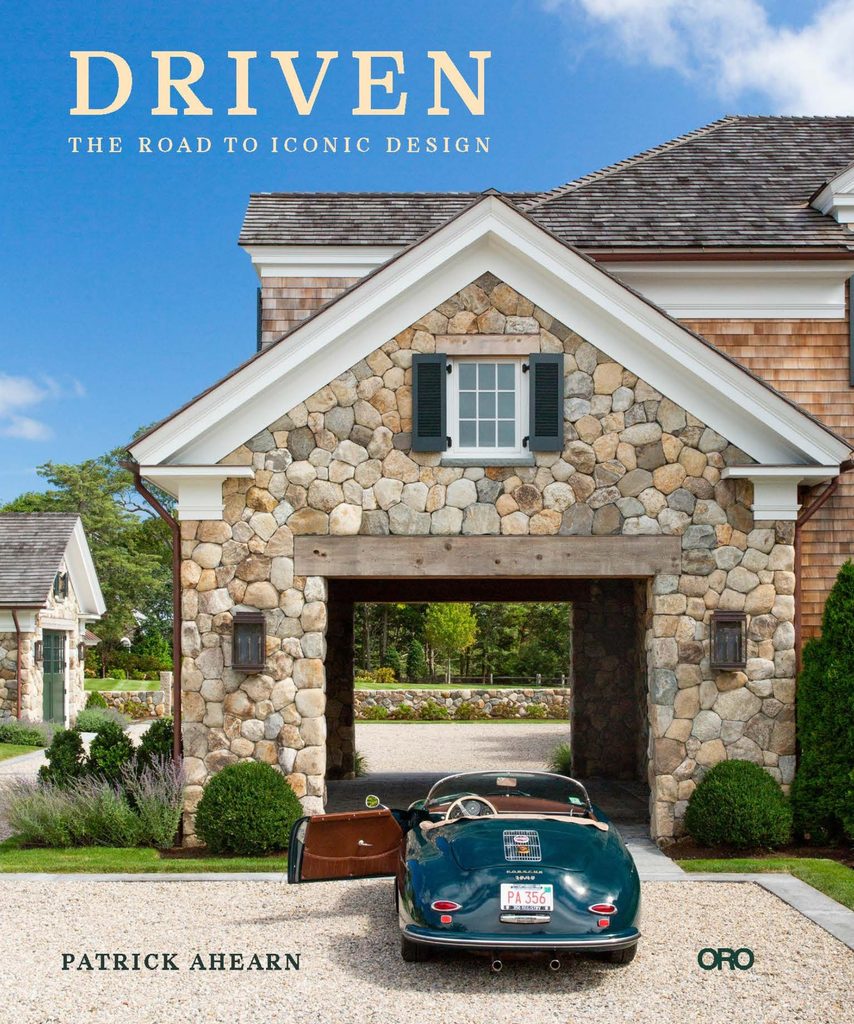
For architect Patrick Ahearn, the worlds of architecture and automobiles have always been inextricably intertwined. They share a common language of proportion, craftsmanship, materiality, and beautiful design. In his new book, DRIVEN: The Road to Iconic Design, Ahearn brings these two lifelong passions together, exploring how iconic cars and timeless architecture can inform and complement one another. At the heart of the book is the carriage house, a distinctly New England architectural form that Ahearn reimagines for contemporary life as guest retreats, entertaining spaces, collector’s galleries, anglers’ lounges, poolside pavilions, and sophisticated homes for extraordinary automobiles.
Interwoven throughout are automobiles—including many from Ahearn’s personal collection—photographed alongside his homes to create a visual dialogue between automotive and architectural design. Together, the projects offer an intimate look at Ahearn’s design philosophy and the influences that have shaped his five-decade career. To celebrate the release of DRIVEN, we spoke with Ahearn about the connection between architecture and automobiles, the lasting appeal of the carriage house, his approach to pairing cars with architecture, and the personal stories behind some of the book’s most meaningful projects.
Get your copy of Driven: The Road to Iconic Design here!

BDG: DRIVEN brings together two passions that have shaped your life, architecture and automobiles. What do you see as the fundamental connection between the two, and how has your love of cars influenced the way you approach architecture and design?
Patrick Ahearn: I’ve always seen a natural relationship between great architecture and great cars. Both rely on proportion, craftsmanship, materiality, and an attention to detail that create an emotional response before they’re fully understood.
Cars were a part of my life long before I became an architect. As a boy, I was fascinated by what distinguished one car from another, and that taught me to look closely at line, scale, and the way individual elements contribute to the whole. In a way that was my earliest training. Now whether I’m looking at the curve of a fender or the massing of a house, I’m interested in why certain forms feel resolved and others don’t. My love of cars has always been part of my design education.
BDG: The carriage house is the central architectural form explored in DRIVEN, but the projects go far beyond their traditional purpose. What is it about the carriage house that makes it such a compelling canvas for modern life, and how have you reimagined the form across these projects?
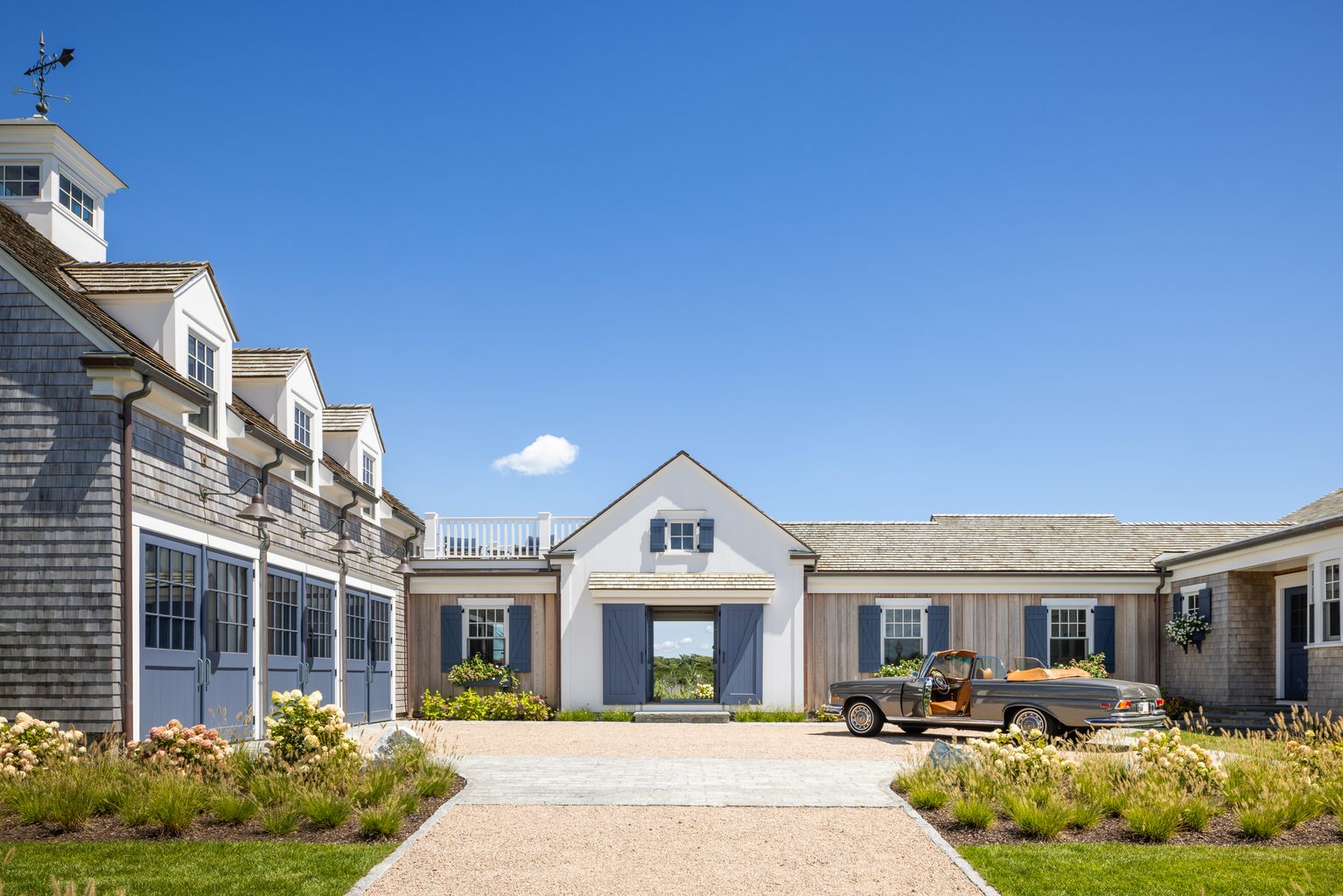
PA: The carriage house is an incredibly adaptable structure. Historically, it’s secondary to a main house, with a recognizable architectural vocabulary but also a certain freedom in its purpose beyond just housing cars. That gives us tremendous opportunity today.
The carriage houses in DRIVEN really take on the forms that best suit our clients’ lives. We’ve done guest quarters and entertaining spaces, fisherman’s lounges, collector’s galleries, and pool pavilions – you name it – and the buildings often serve several purposes at once. I’m interested in preserving the architectural integrity of the carriage house while allowing the interior to respond completely to contemporary life. You can walk up to one of these buildings and understand immediately what it is, yet what happens behind the doors can be entirely unexpected.
BDG: Throughout the book, automobiles are presented almost as architectural elements themselves. How do you approach pairing a particular car with a home or project, and what can the right automobile add to the story or character of a space?
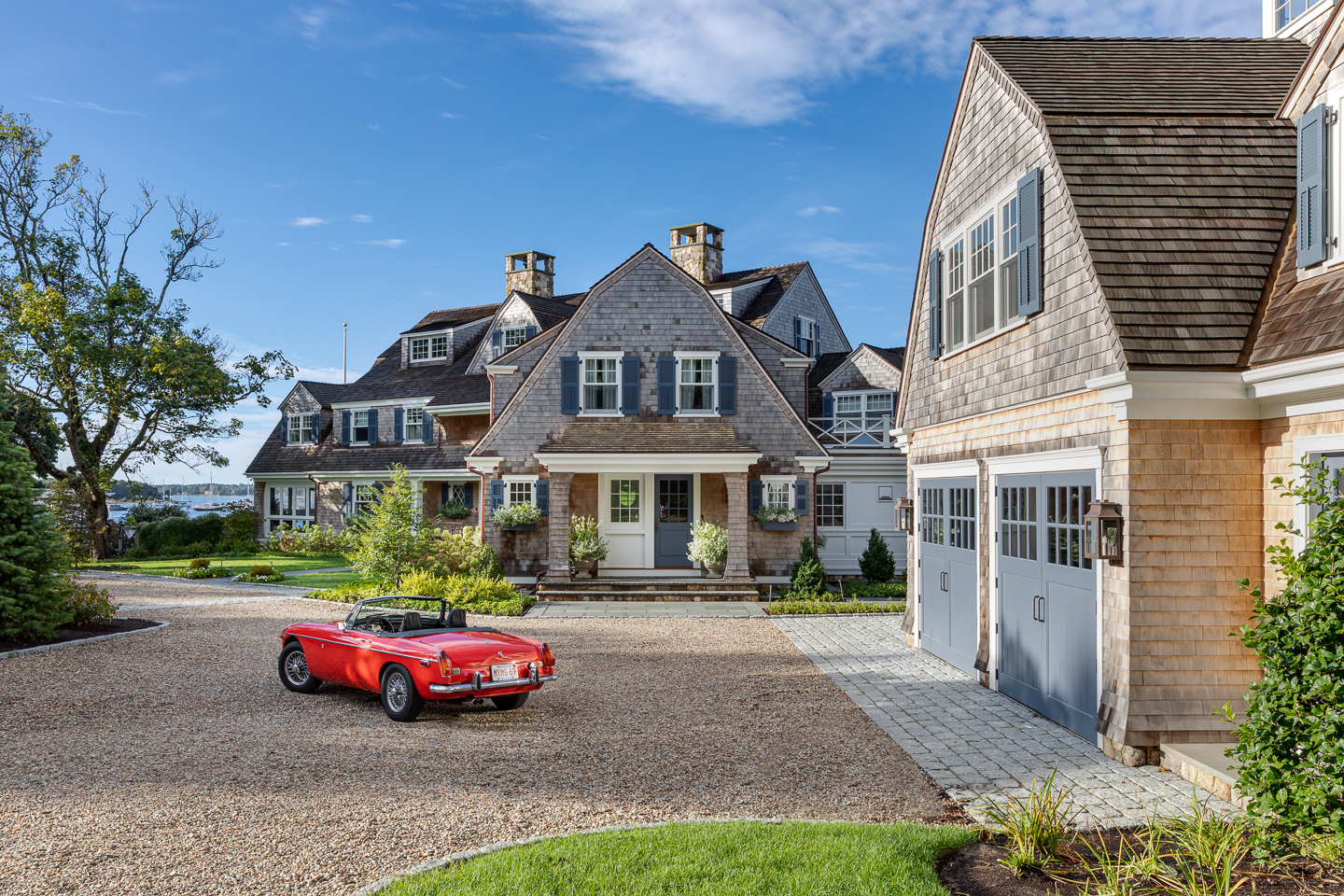
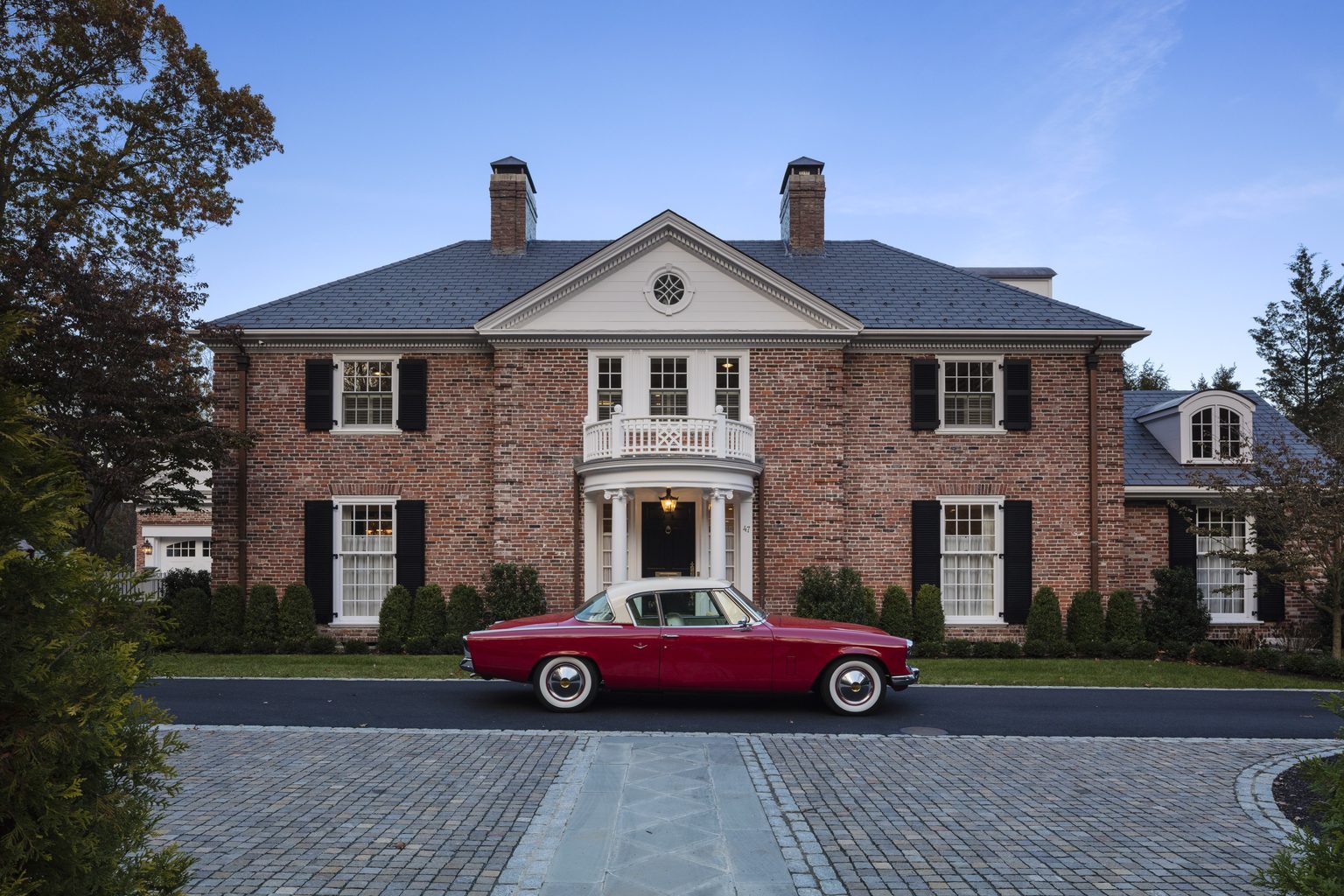
PA: The truth here is that I never want the cars to feel like props. Each pairing needs to have a reason to be there, whether it’s a relationship of period, personality, color, proportion, or simply a shared sensibility between the car and the house.
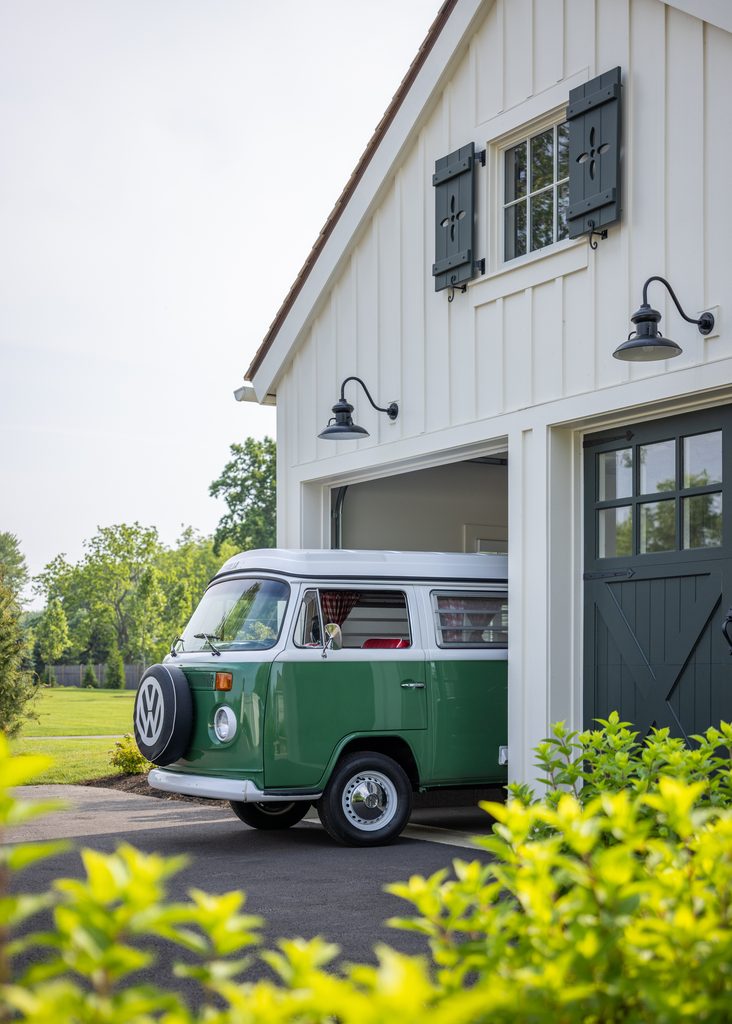
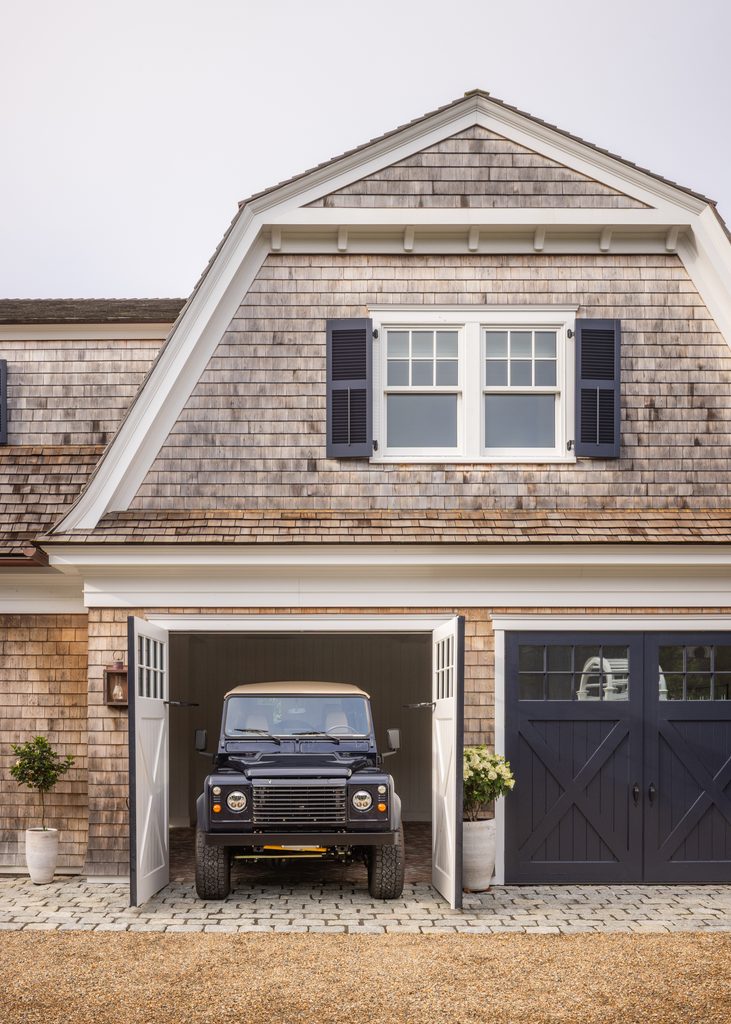
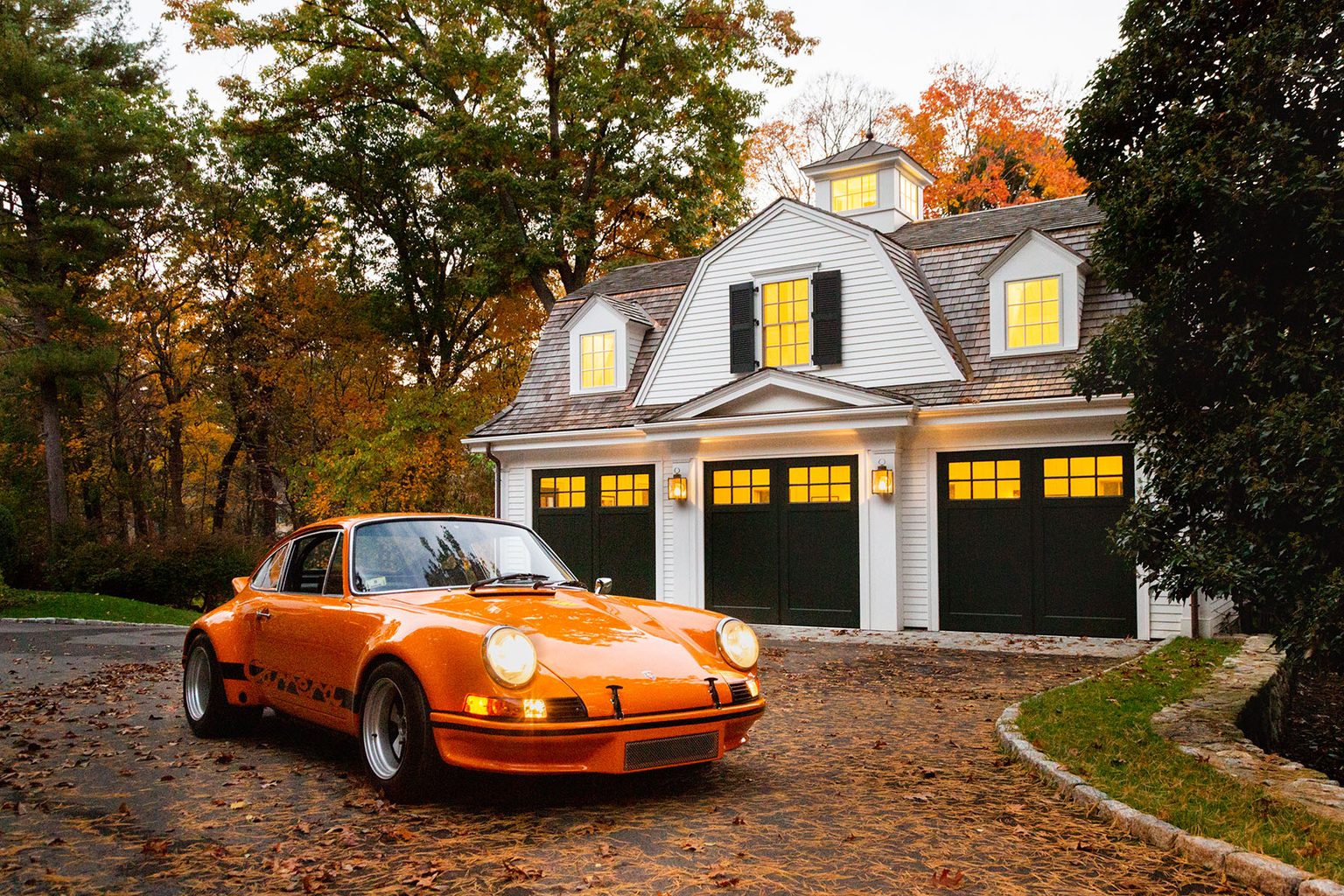
A great automobile has tremendous presence. Put the right car in front of a house and it can suggest a lifestyle or a particular attitude without saying a word. A vintage Porsche tells a very different story from a Duesenberg, a Defender, an original Ford pickup or a VW bus. We wanted to create a dialogue between the cars and the buildings, so that in the best pairings, each reveals something about the other.
BDG: Your work is deeply rooted in New England architectural traditions, yet DRIVEN shows how those traditions can evolve in unexpected ways. How do you balance historical reference with contemporary living when designing these highly personalized spaces?
PA: There’s real benefit to what I like to call historically inspired architecture. I’ve never believed that designing within an architectural tradition means exactly replicating the past. I’m interested in understanding the principles behind historic buildings: their proportions, scale, massing, materials, patterns of addition, and relationship to the landscape. Once you understand that language, you can use it to create something that references the past which is also entirely appropriate for the way people live today.
I like to think that perspective is evident in the carriage houses in DRIVEN. The exteriors reference the past, but the buildings live for today. For me, historical reference provides the vocabulary. It should never dictate the way a family has to live.
BDG: You describe cars as “cultural markers,” and the book includes many automobiles that have personal significance to you. Is there a particular car or project in DRIVEN that feels especially meaningful to you, and what does its story reveal about your own journey as an architect?
PA: My car barn at Hundreds Woods is without question the most personal project in DRIVEN. As a boy, I remember desperately wanting to win a 1956 Thunderbird in a cereal box contest. I never would have imagined that one day I would have an entire collection of cars – including that Thunderbird – that have brought me so much joy, much less the opportunity to design an entire building devoted to them. The car barn is also very much a family space. It’s a place where my large family can gather and spend time together, so the program extends well beyond the cars themselves.
Architecturally, the car barn’s challenge was equally personal. My 1936 house was designed by Royal Barry Wills, the noted American architect whose work I have long admired, and I approached the car barn with deference to his original design. Rather than replicating the house, I asked myself what Wills might have done had he been given a larger program to work with. The result is a building that continues the architectural story he began nearly a century ago, which also meets the way we live today. In many ways, it’s one of the truest expressions of the principles that have guided my work for the past 50 years.
Check out the video Patrick Ahearn Discusses Driven: The Road to Iconic Design to learn more about Driven: The Road to Iconic Design!
