

Patrick Ahearn on Timeless Architecture, Cars, and Designing Without Ego

A conversation with renowned architect Patrick Ahearn.
Few architects have maintained such a consistent, recognizable voice over decades of changing tastes as Patrick Ahearn of Patrick Ahearn Architect. Boston Design Guide Publisher Melanie Perillo sat down with Ahearn to reflect back on more than 30 years of collaboration, discuss the evolution of how we live now, and share how his lifelong passion for cars, craftsmanship, and community continues to shape his approach to architecture.
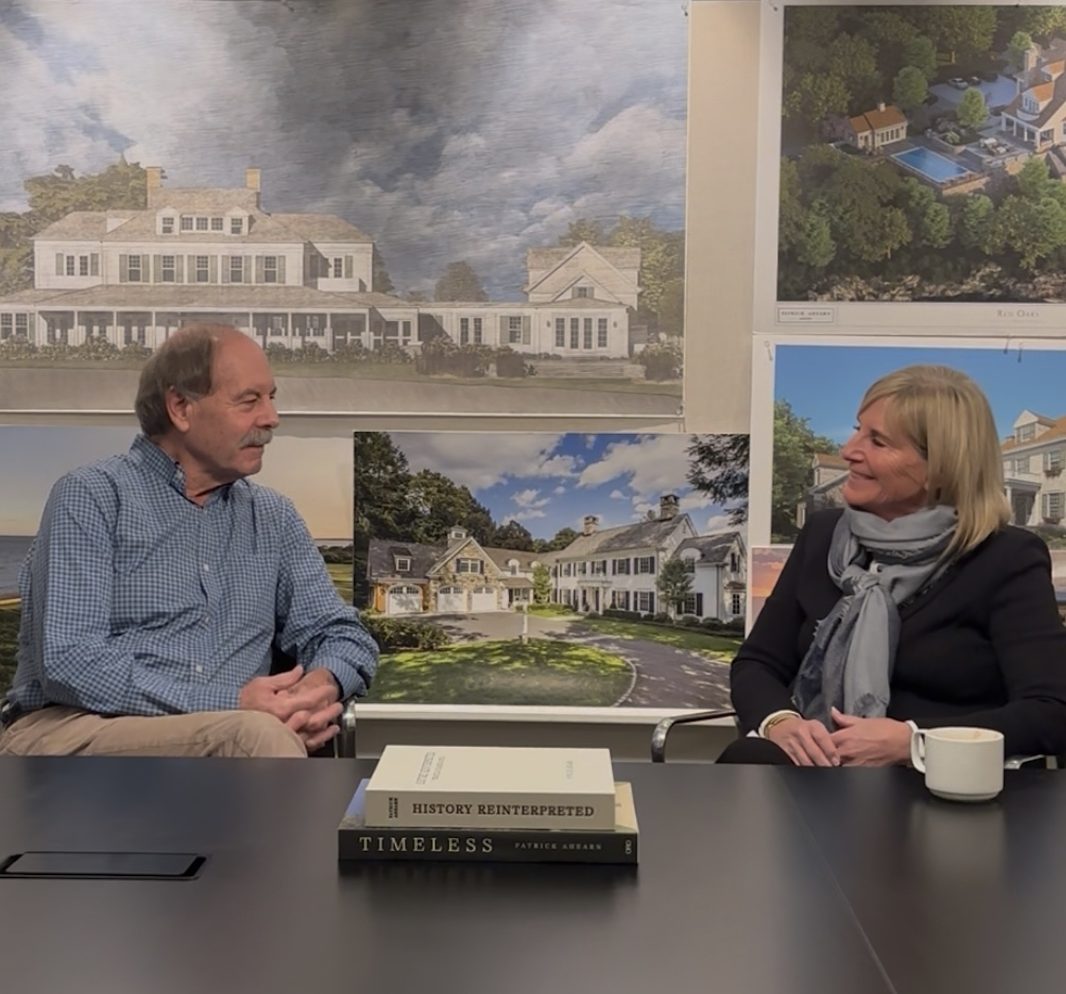
Melanie Perillo: Patrick, here we are more than 30 years after we first started working together. Do you remember those early days?
Patrick Ahearn: Oh my gosh, of course. I remember when you first suggested advertising, and I was skeptical. I wasn’t sure I needed it. But it turned out to be incredibly helpful. Over the years, we’ve built a brand that really transcends geography.
MP: It’s true. Your work isn’t just associated with New England anymore.
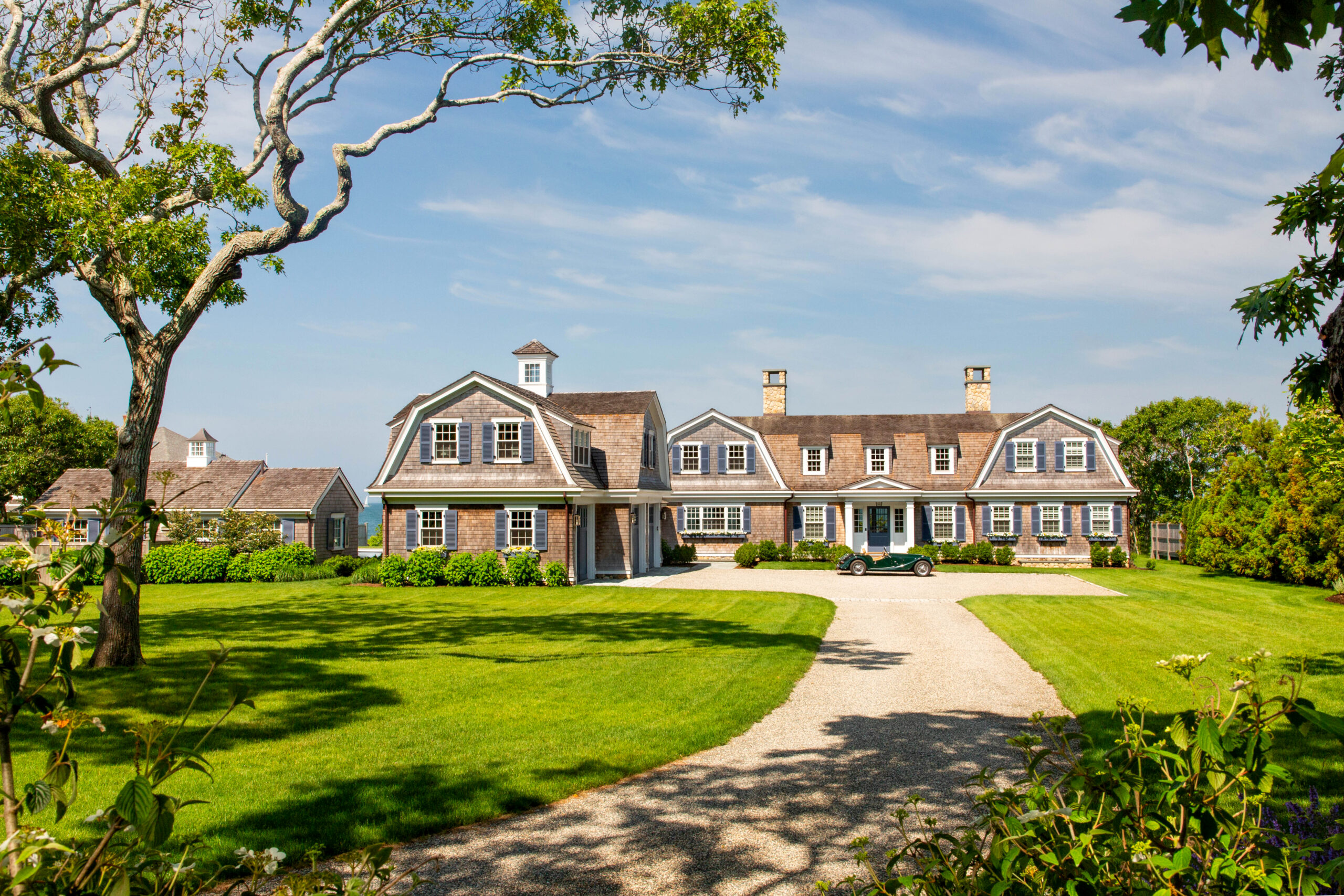
PA: Exactly. While we started in New England, we now work all over the country—and beyond. We’ve done projects in British Columbia, just finished a major one in Utah, and we’re currently working on a house in Newport Beach, California. We’re also looking at a project in England and have completed homes in the Cotswolds and Scotland.
MP: Yet even with all those locations, your work feels unmistakably “Patrick Ahearn.”
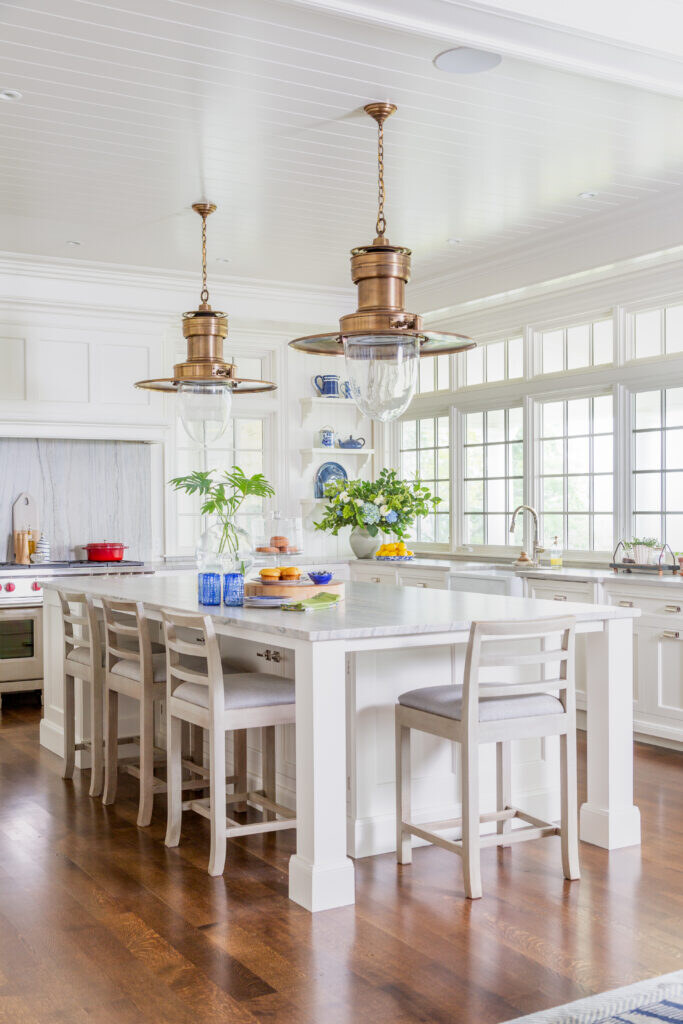
PA: I think that’s because we really design for lifestyle. The materiality changes. California is different from New England, but the principles stay the same. It’s about scale, intimacy, and livability. Our houses are never McMansions. They may be large, but they feel human.
MP: They’re never ostentatious.
PA: And that’s intentional. People want hearth and home. The era of Gordon Gekko–style monster mansions is behind us. Today, people want quality, materials that last, and architecture that feels timeless. I call it non–ego-driven architecture. It’s not about me, it’s about place.
MP: That sensibility clearly resonates. You now have more than 160,000 Instagram followers.
PA: Social media has completely changed our practice. It’s made our work global in a way that was almost impossible before. But what people respond to, I think, is our ability to make something new feel like it’s always been there—architecture that captures the essence of a place while supporting how people live today.
Timeless Design and Long-Term Value
MP: We’ve featured your work for decades, and we’ve never received a project from you that felt grandiose. Everything is intimate, even at scale.
PA: And yet those houses hold—and grow—their value. A home we designed 25 years ago, which originally cost about $3.5 million to build, recently resold for $37.5 million. Another project we did was acquired for $32 million.
MP: Wasn’t that one of the most expensive homes ever listed in Massachusetts?
PA: It was. What’s satisfying is knowing the architecture has stood the test of time—not just aesthetically, but economically. I don’t love saying this because it could be taken as braggadocious, but our houses often trade at a higher price per square foot because of their scale, proportion, and timelessness. That tells me that what we were onto 25 years ago still resonates.
Changing How We Live
MP: Have you noticed major changes in how people want to live?
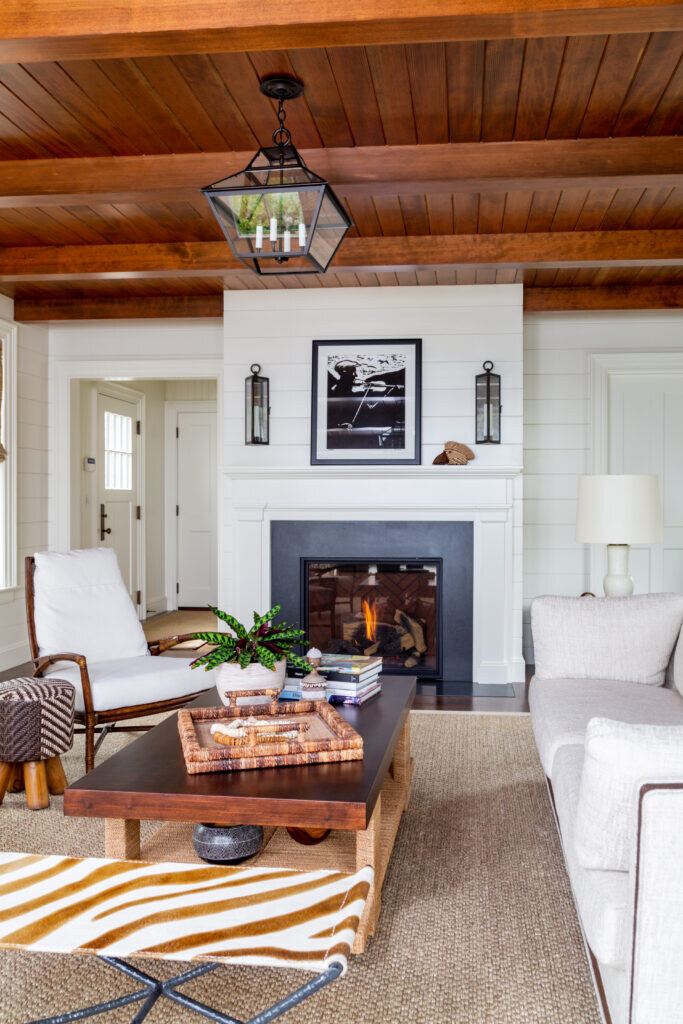
PA: Absolutely. Life has become more informal. Formal dining rooms are disappearing, even in very large houses. Our client base is also getting younger—many are now in their 40s. They want classic architecture, but they want to live in a more modern way: indoor-outdoor living, porches, disappearing nano doors.
MP: And materials have changed too.
PA: Building technology has made houses more durable, especially along the coast. Composite materials, improved HVAC systems—these things matter. Some historic districts still don’t allow composites, which is challenging in coastal environments. But many commissions now recognize that once painted, you can’t tell the difference—and the materials last longer.
MP: Your detailing still feels very traditional.
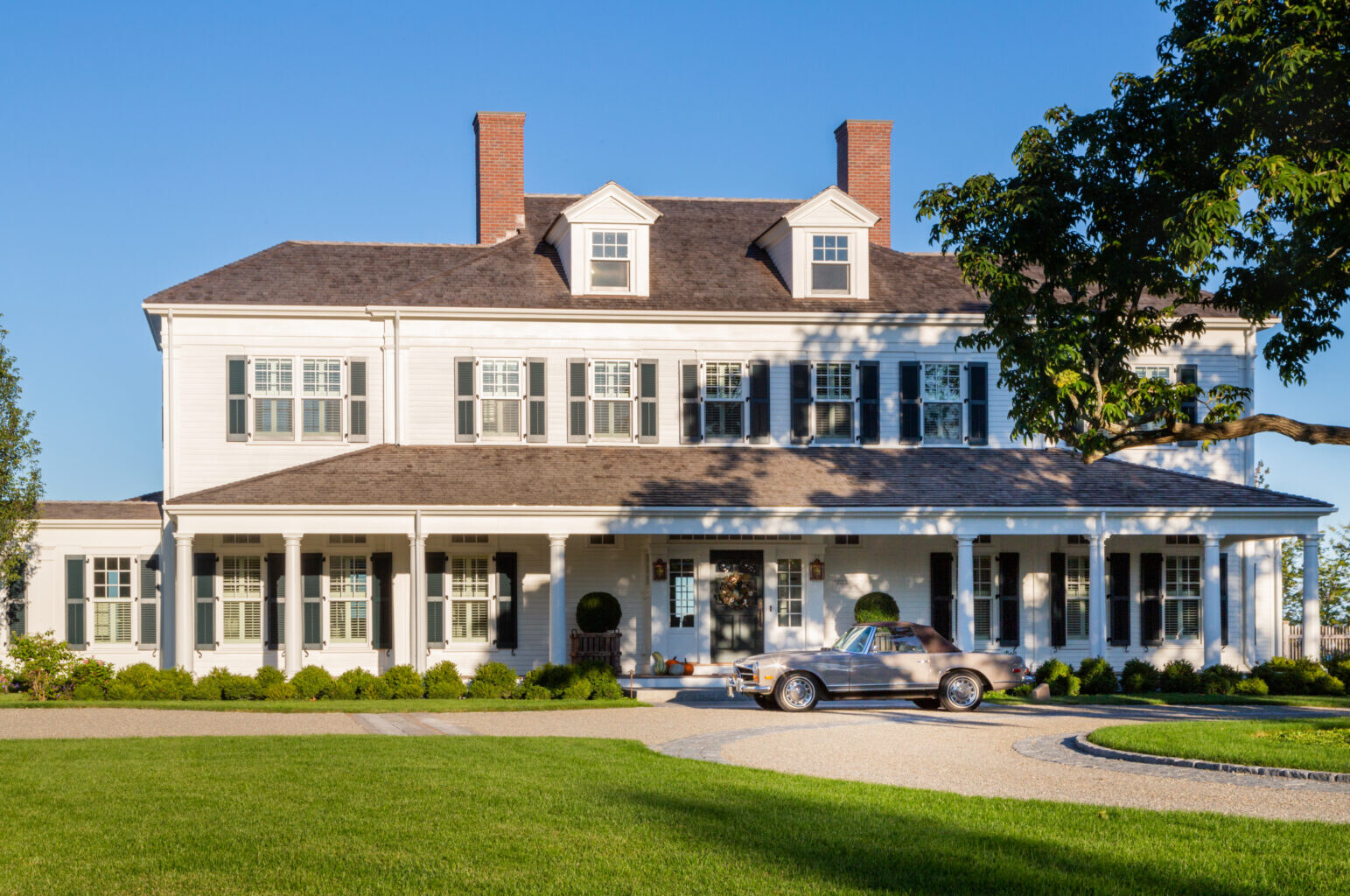
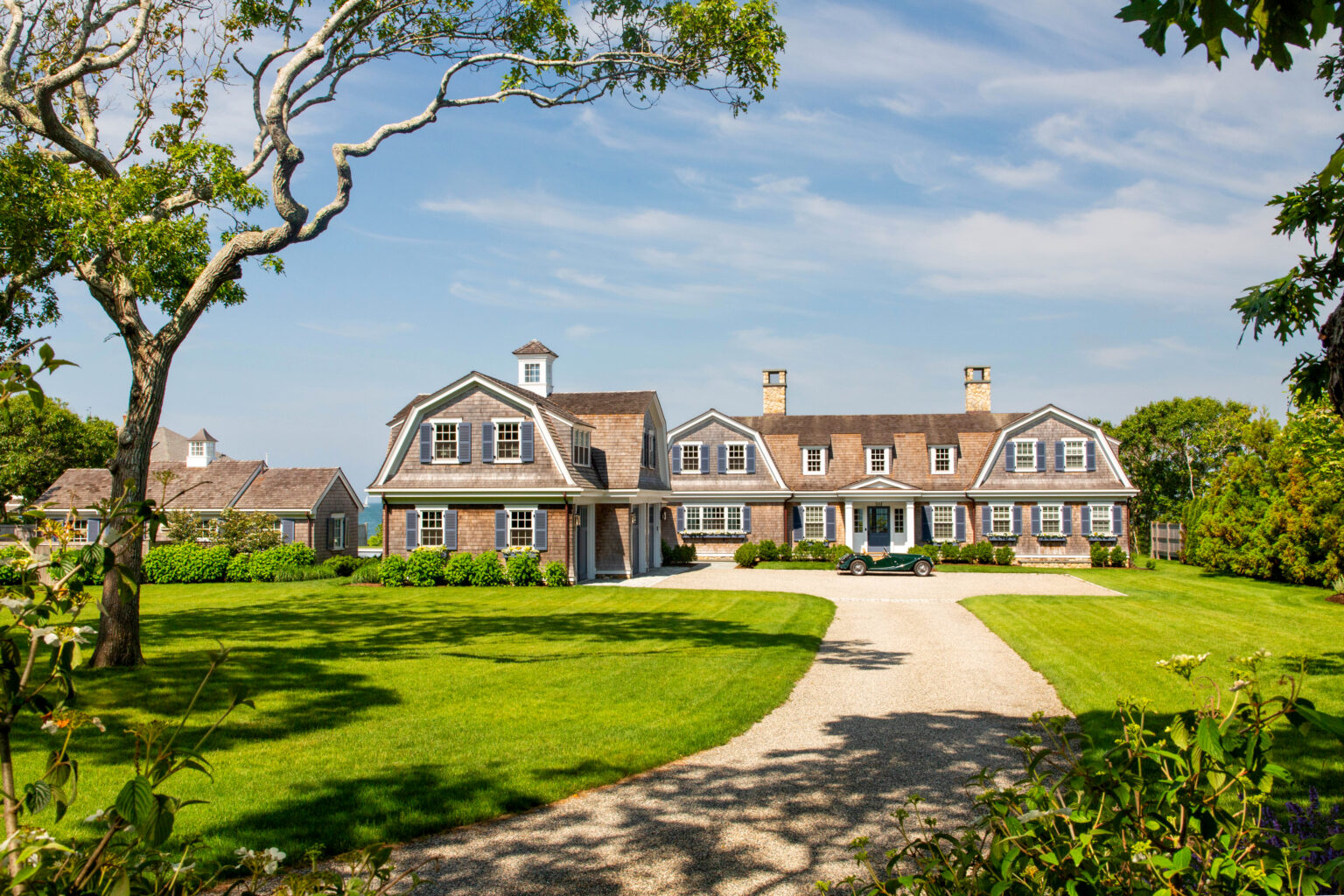
PA: That’s intentional. Deep eaves, substantial trim, real shutters—most often painted Essex Green, though Polo Blue is becoming popular too.
Cars, Design, and Personal History
MP: Cars are such a distinctive part of your brand.
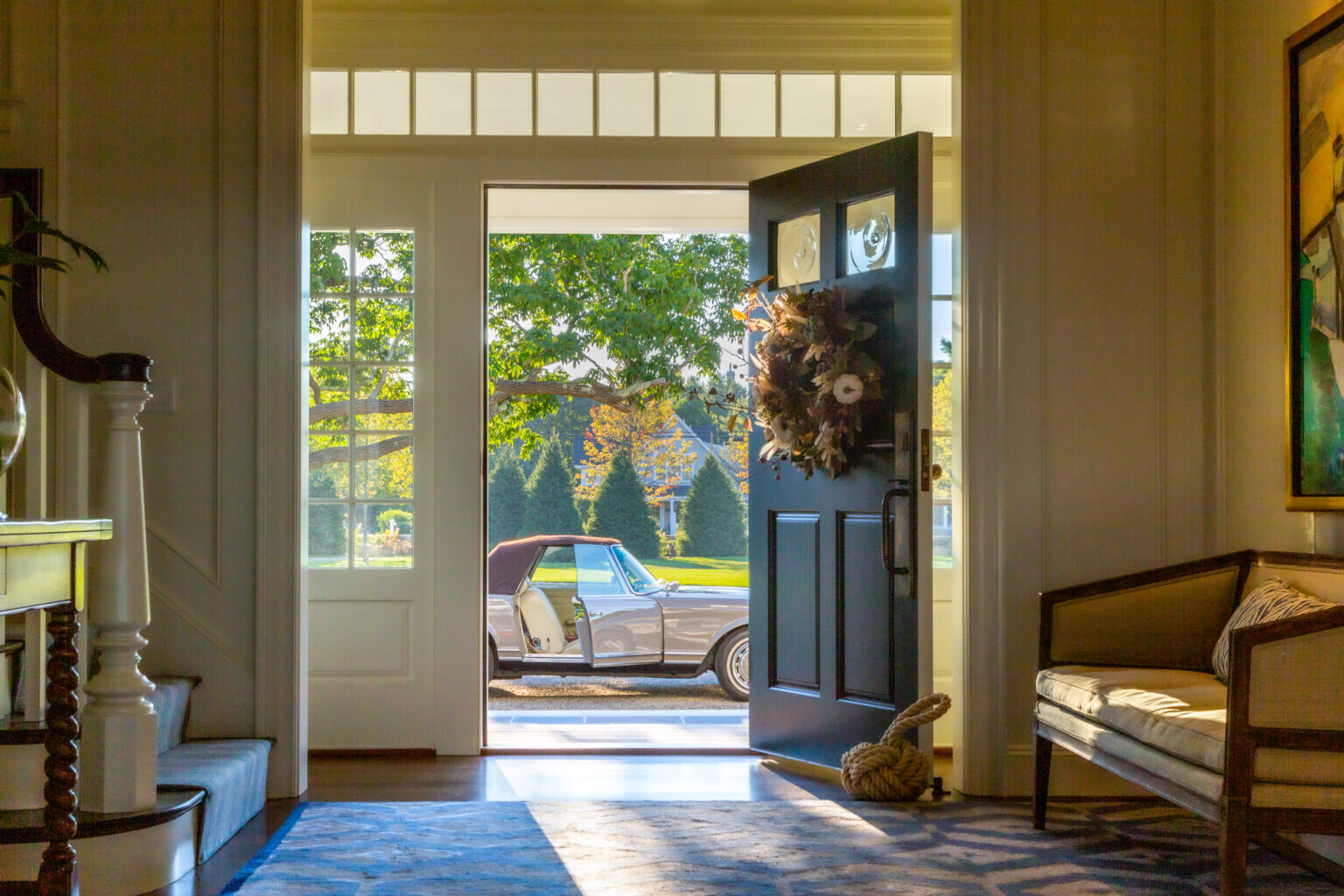
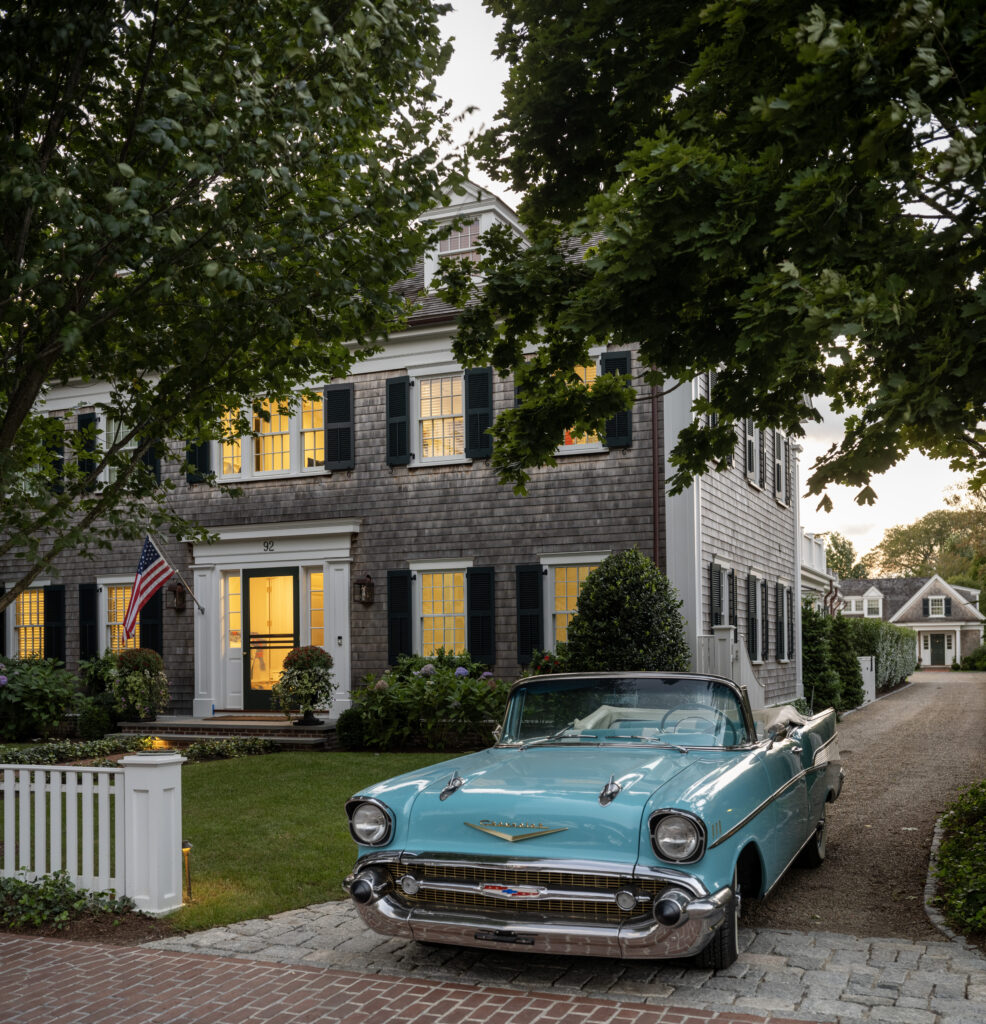
PA: I’ve loved cars since I was five years old. I actually wanted to be a car designer, but my guidance counselor steered me toward architecture. That love of cars never went away. I use them in our photography because they complete the image, like flowers on a table.
MP: You even source cars for your clients.
PA: I often do. I’ll find the car that belongs with the house. And yes, many of them buy the cars.
A New Book: Driven
MP:You’re also working on your third book.
PA: Yes, it’s called Driven: The Road to Iconic Design. This book sits at the intersection of my two passions – architecture and automobiles – and will publish this fall. It explores carriage houses from more than a dozen recent projects and cars that are meaningful to me. You know, cars are cultural markers. Think about the Mustang in 1964—affordable, sporty, practical. It captured the coming-of-age of the baby boomers and reshaped American design culture. That’s what fascinates me.
MP: That’s such a compelling lens.
(Note: you can now pre-order your copy of Driven: The Road to Iconic Design here!)
Teaching, Giving Back, and Community
MP: You’re also deeply committed to education and public engagement.
PA: I am. I do a symposium at Syracuse on the business of architecture because most architects aren’t taught how to run a business. I also produced a master class, Patrick Ahearn’s Studio, which anyone can enjoy for free on YouTube, do my At Home with Patrick Ahearn video series, and work hard to give back to communities I live and worth within via extensive pro bono work, from historic preservation to civic projects.
MP: You’ve always emphasized community involvement.
PA: Architects need to be involved in their towns—planning boards, design review boards, civic organizations. Our voices matter. Communities should be protected and architects are wonderful people to help lead that charge.
Accessory Dwelling Units and Housing Equity
MP: You were talking about accessory dwelling units decades before they became mainstream.
PA: Thirty-five years ago, I was nearly run out of town for proposing small cottages. Today, ADUs are finally being embraced, and even mandated in Massachusetts. It’s a smart, humane way to create housing without stigma.
MP: Your personal history really informs that view.
PA: I grew up in Levittown. The entire community was made up of four different models of houses all facing center courtyards, and it worked. My philosophy that architecture has the power to improve lives is derived from my experiences in Levittown.. I lived it, I know it, and it’s part of my personal ethos.
MP: And that philosophy really defines your work.PA: Absolutely. At the end of the day, it’s about designing places where people feel at home. If we can do that and give back along the way, I think that’s success. ⌂
