

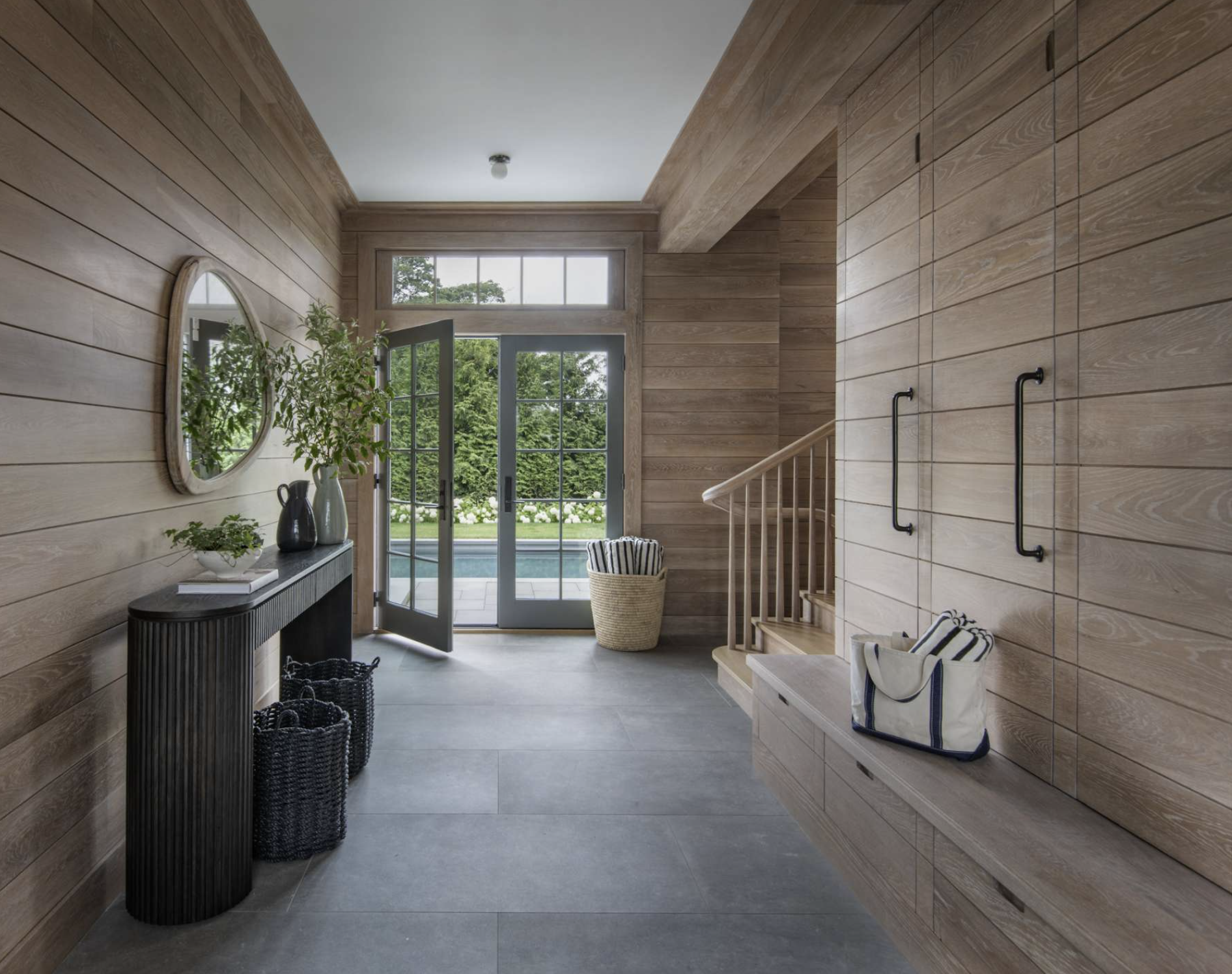
Choosing the Right Interior Wood Paneling for Your Home
Interior wood paneling has a quiet way of transforming a space. It adds depth, texture, and architectural interest without overpowering, and when done right, it feels both intentional and timeless. While wood paneling is often associated with the rich, detailed interiors of historic homes, it can also feel just as at home in modern and transitional spaces. Wood paneling is a beautiful way to protect walls, add warmth, and create visual interest that paint alone can’t achieve. Read on as we break down popular types of wood paneling, explore different styles, and help you decide which option best suits your home!
Popular Paneling Styles
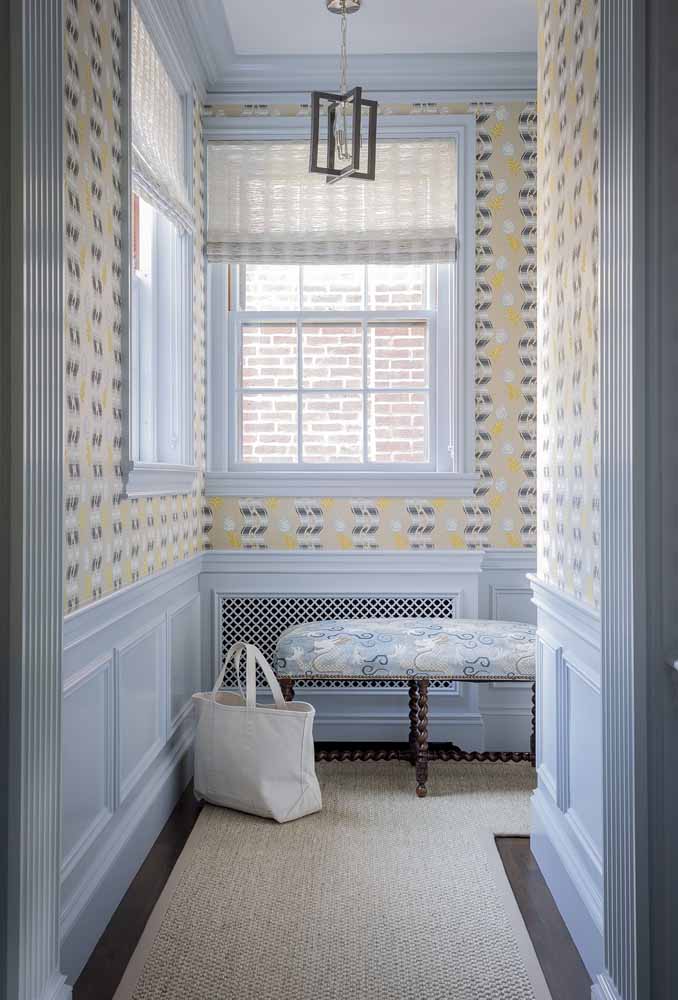
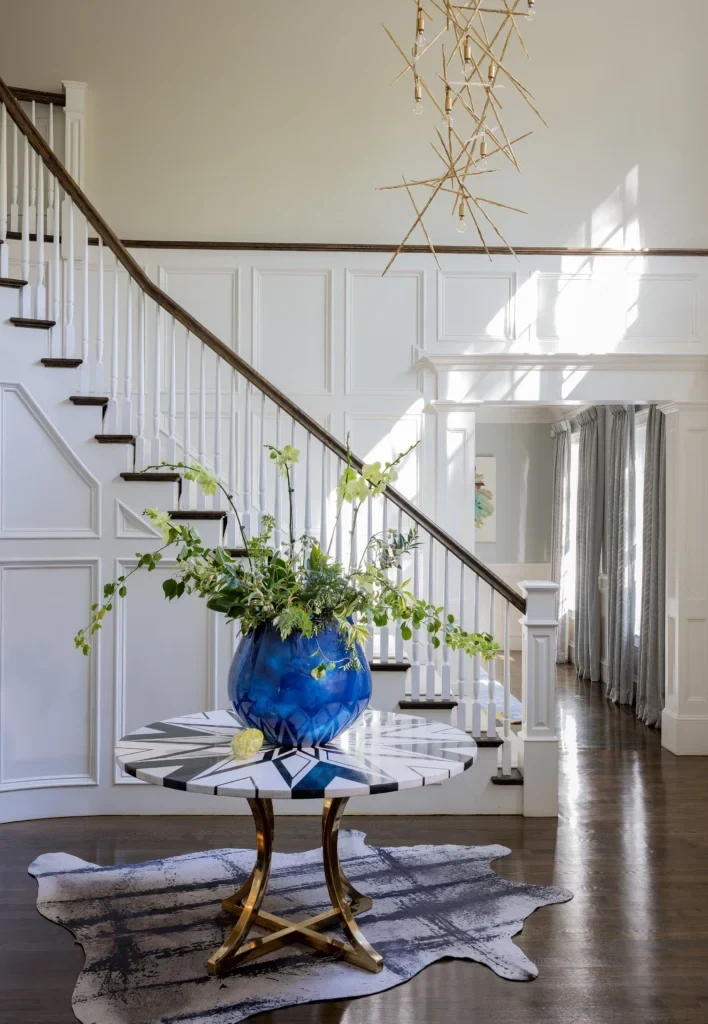
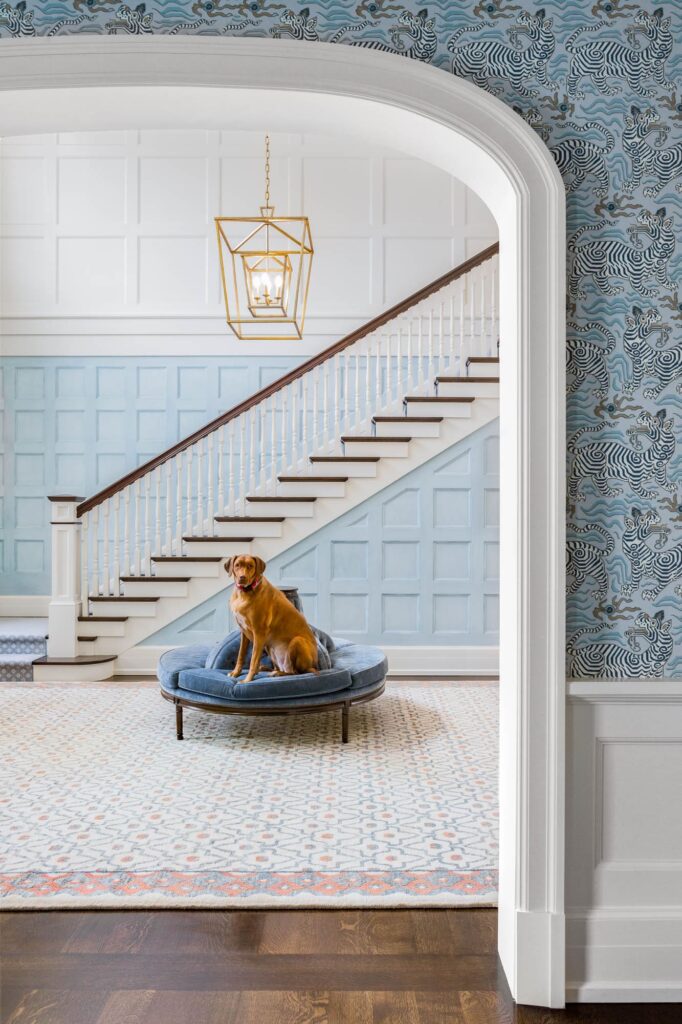
Wainscoting
Traditionally applied to the lower portion of a wall, wainscoting was originally used to protect walls from moisture and damage. Today, it’s primarily decorative and highly customizable.
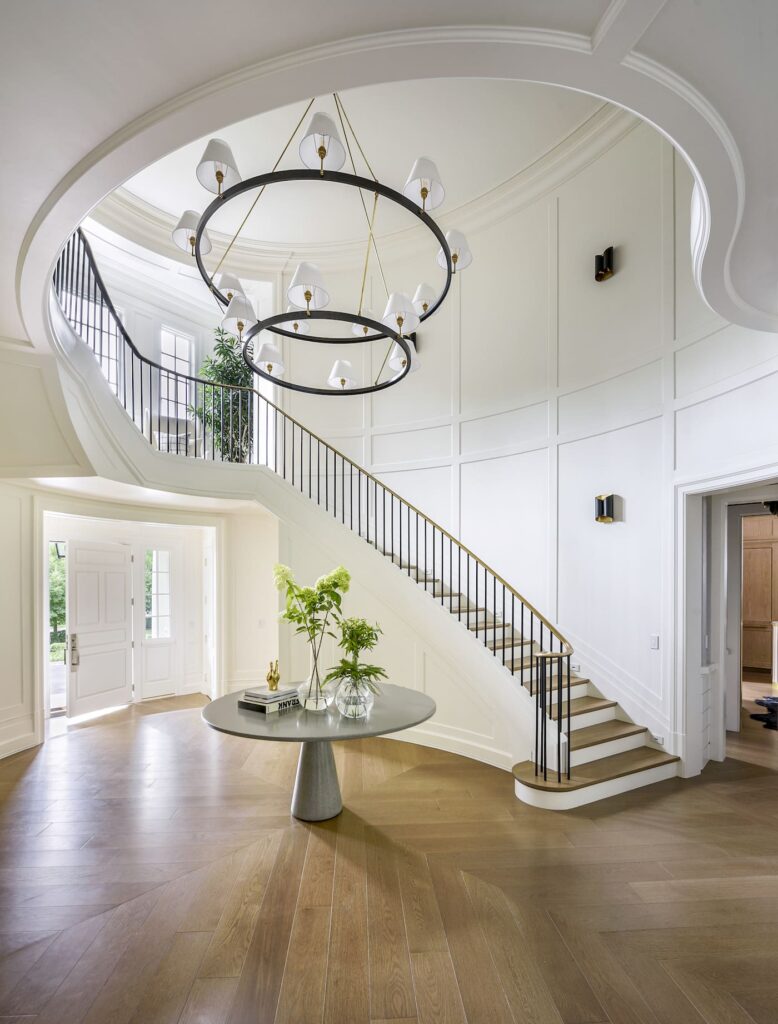
Modern wainscoting can be installed at chair-rail height, higher up the wall, or even floor-to-ceiling. It works beautifully in dining rooms, entryways, stairwells, and bathrooms, adding classic charm while still feeling fresh and dimensional.

Tongue and Groove
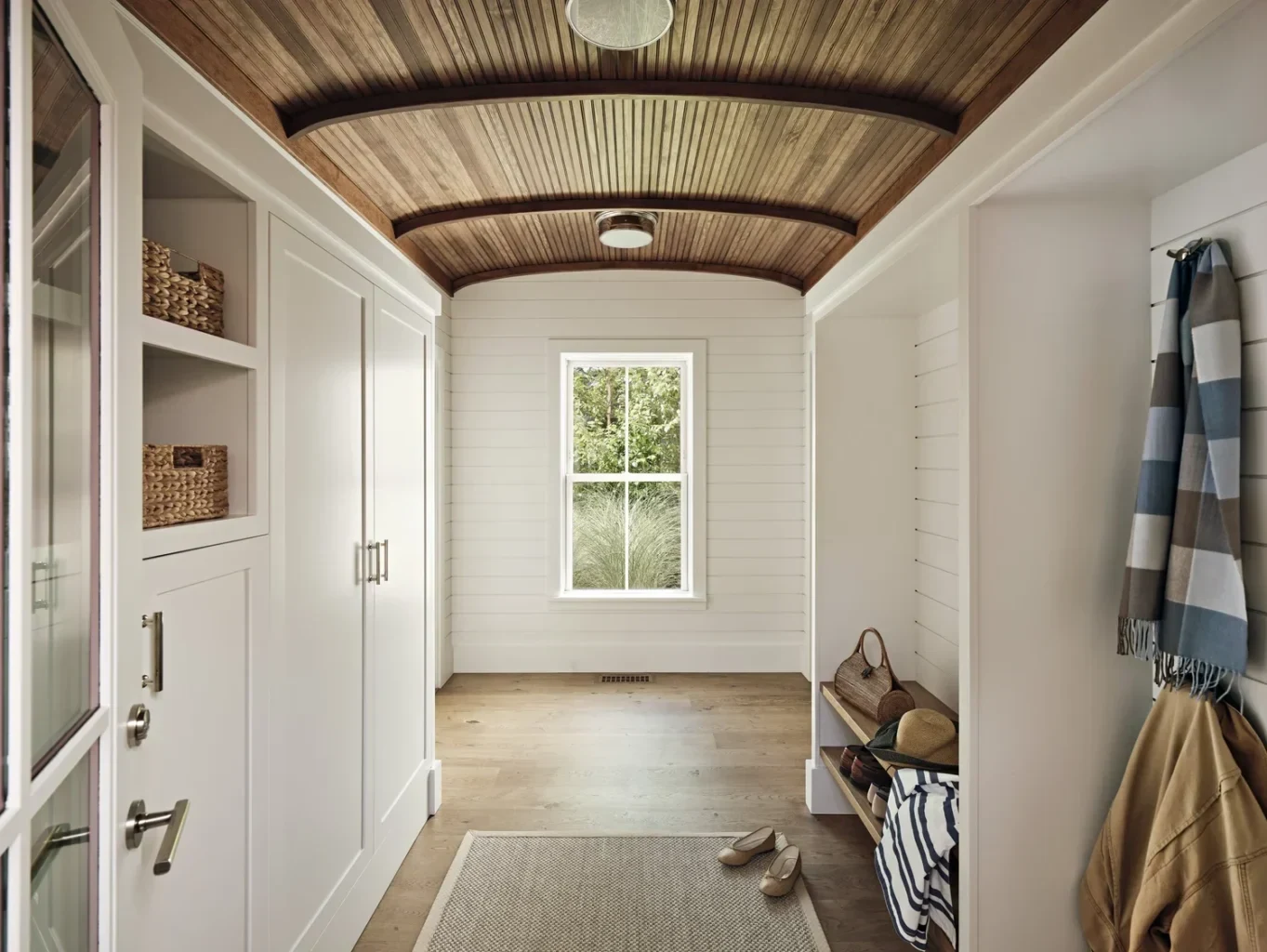
Tongue and groove paneling uses an interlocking system where each board’s “tongue” fits into the next board’s “groove,” creating a seamless, secure installation. It’s a popular choice for both walls and ceilings and offers a clean, continuous look that can lean rustic, coastal, or contemporary depending on the finish and orientation.
Beadboard
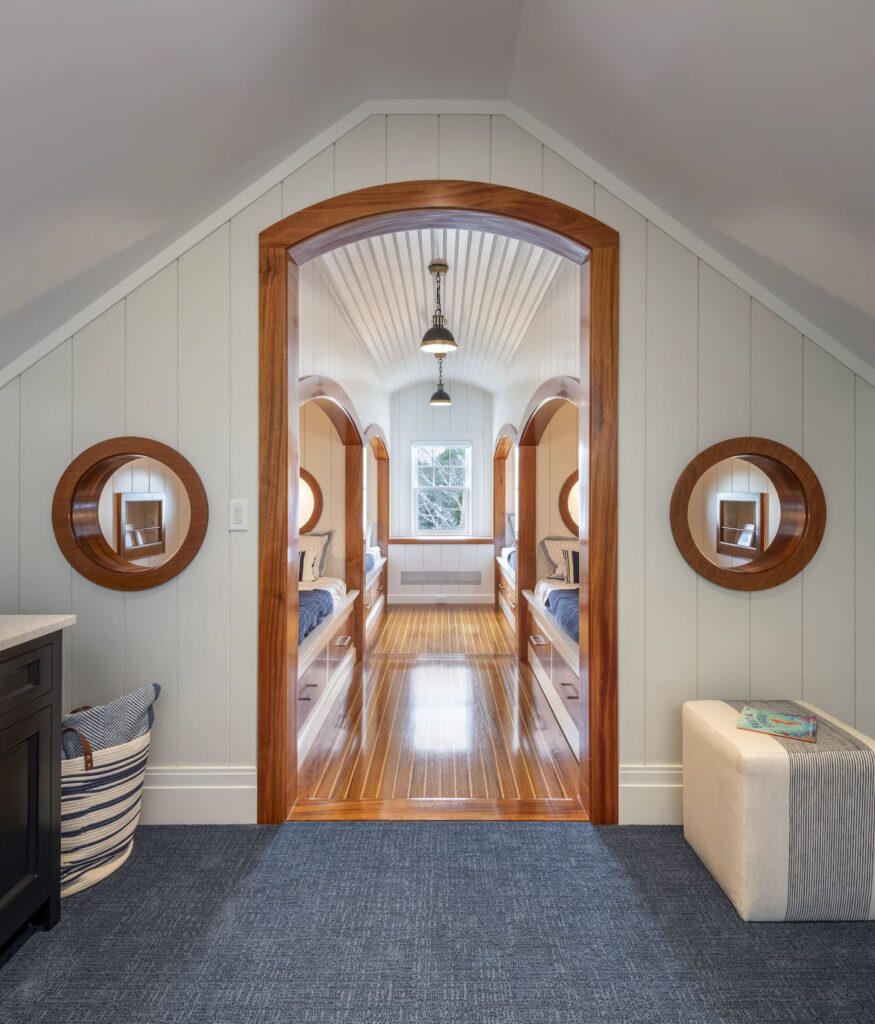
Beadboard is a type of tongue and groove paneling defined by narrow vertical planks and raised beads spaced closely together. Traditional beadboard features a small, rounded “bead” in the groove. Historically used in cottages and traditional homes, beadboard adds instant charm and timelessness.
V-Groove
V-groove paneling is another tongue and groove variation where boards meet to form a subtle “V” shape, and generally features wider planks. It feels slightly more formal and structured than beadboard, making it a great choice for living spaces, offices, or dining rooms that call for a refined, traditional look.
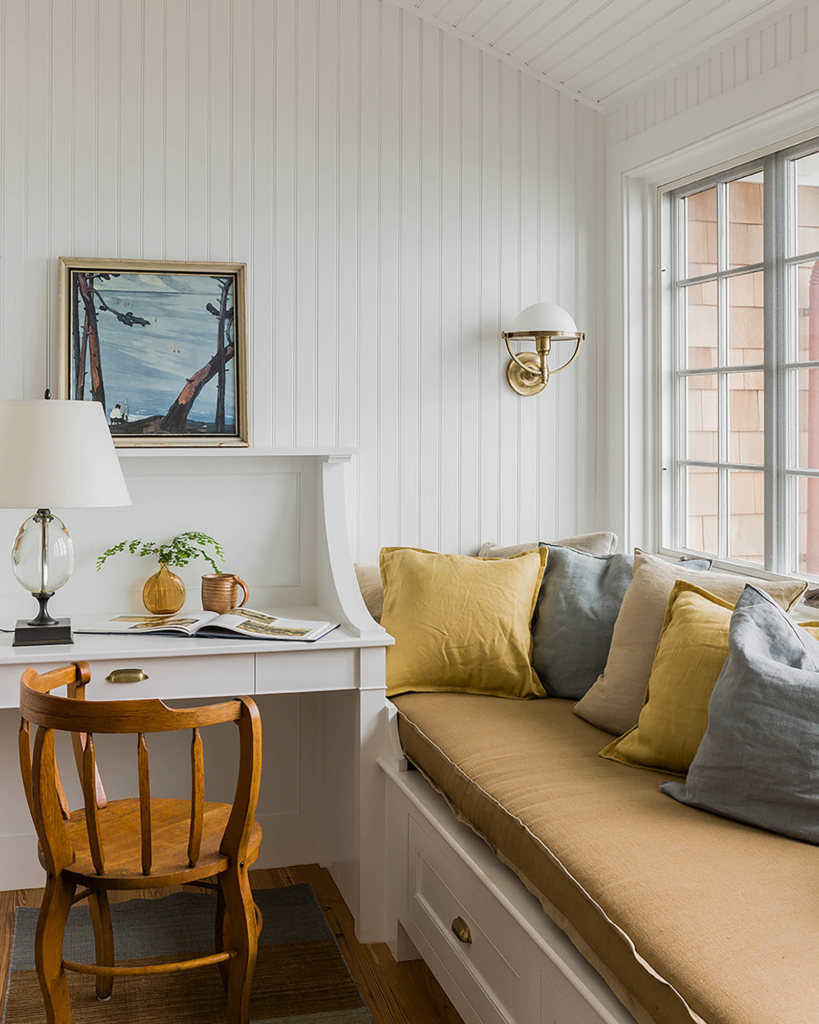
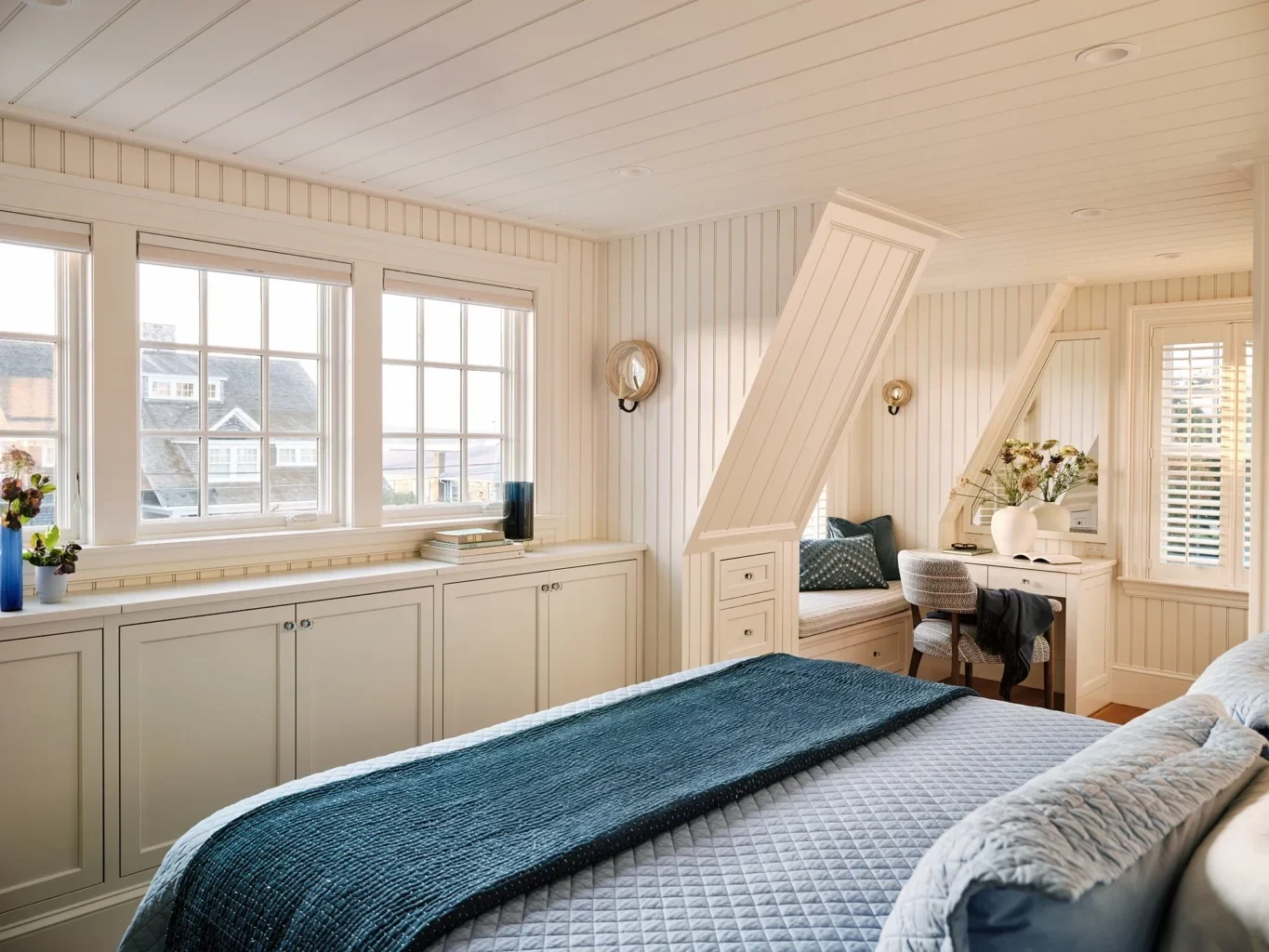
Shiplap vs. Nickel Gap
Though often confused, shiplap and nickel gap are distinct styles with different design personalities.
Shiplap features boards that overlap using a rabbet joint. The spacing can vary, giving it a more relaxed, rustic feel. It’s versatile, cozy, and works well in farmhouse, coastal, or casual interiors. However, installation can require more precision to achieve consistent spacing.
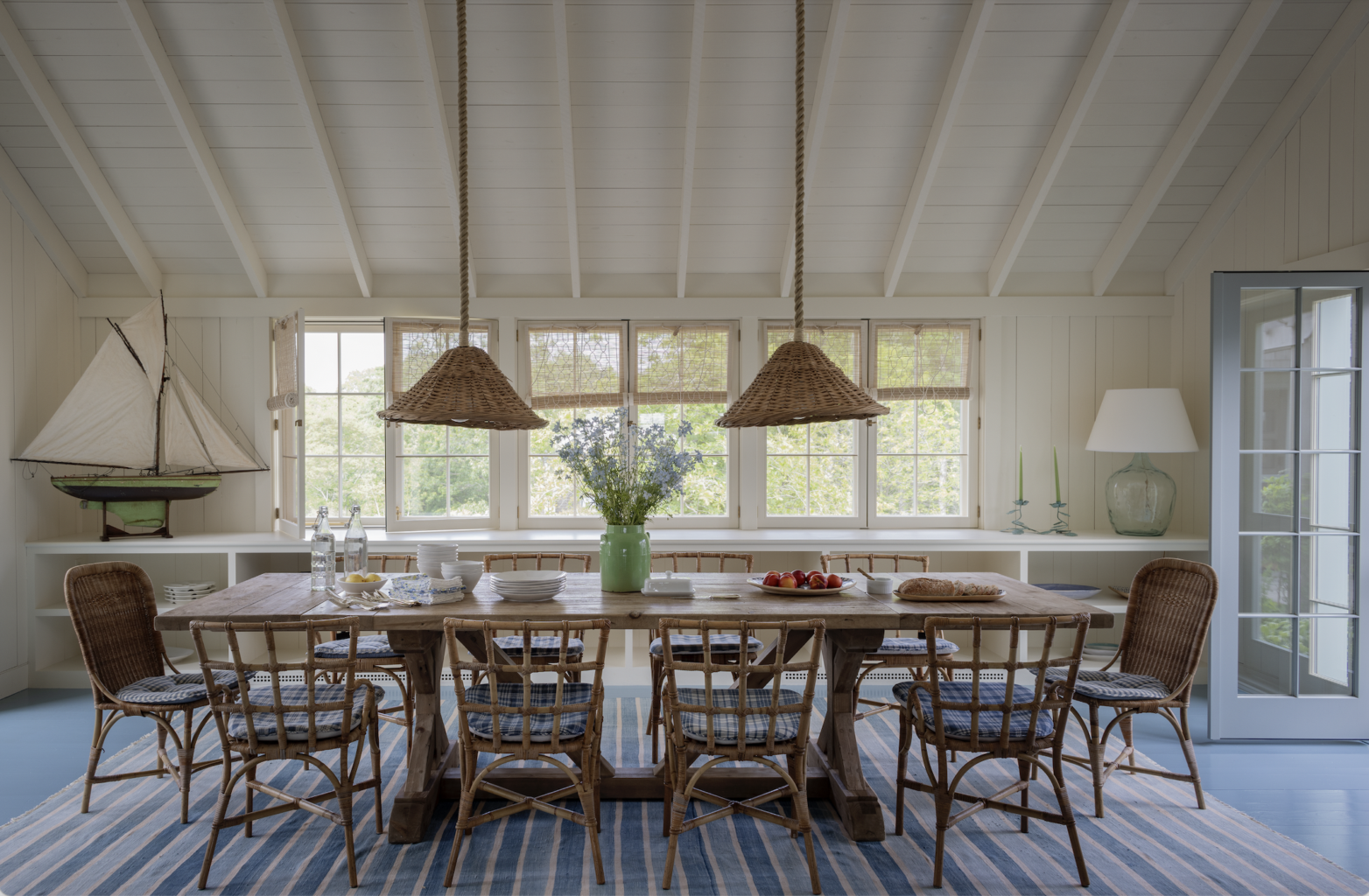
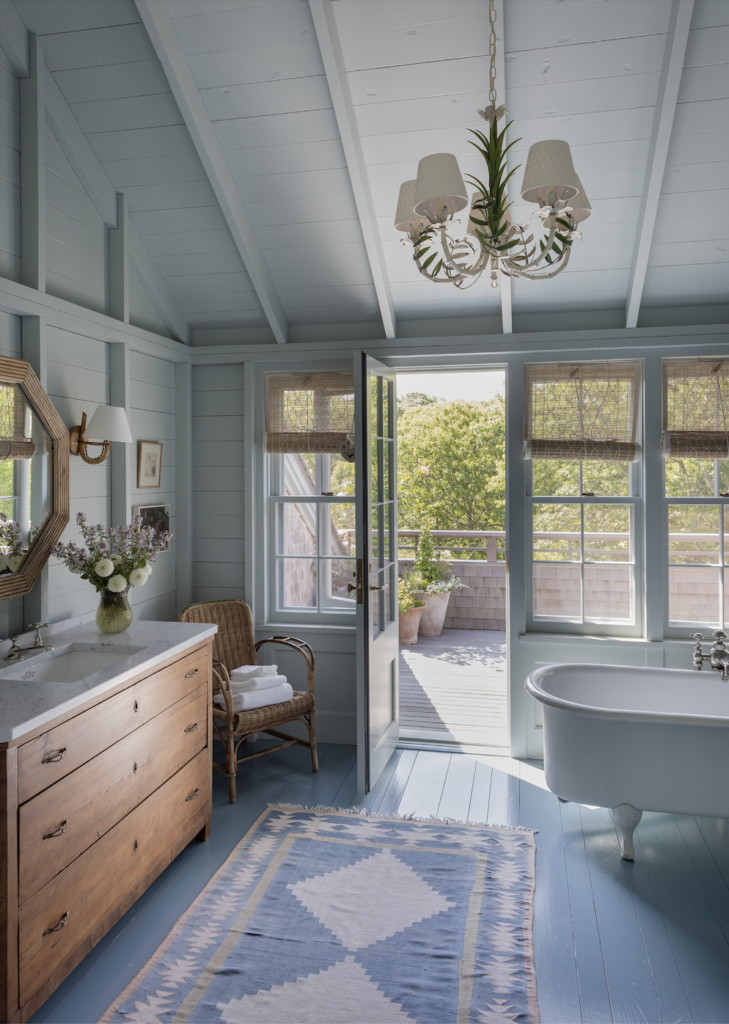
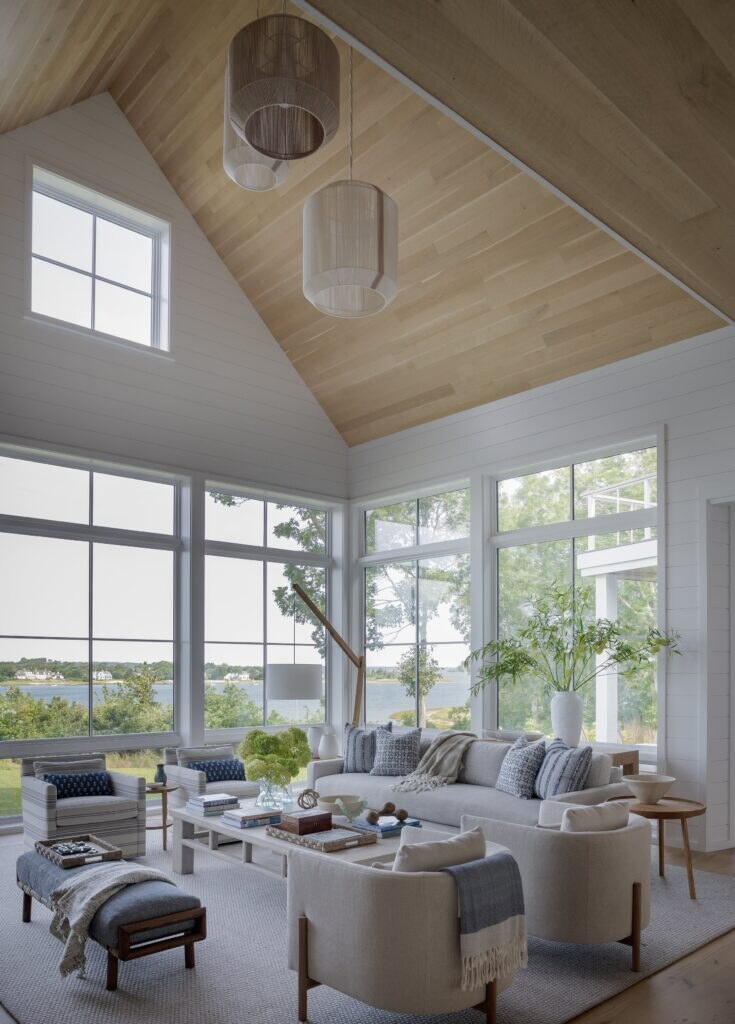
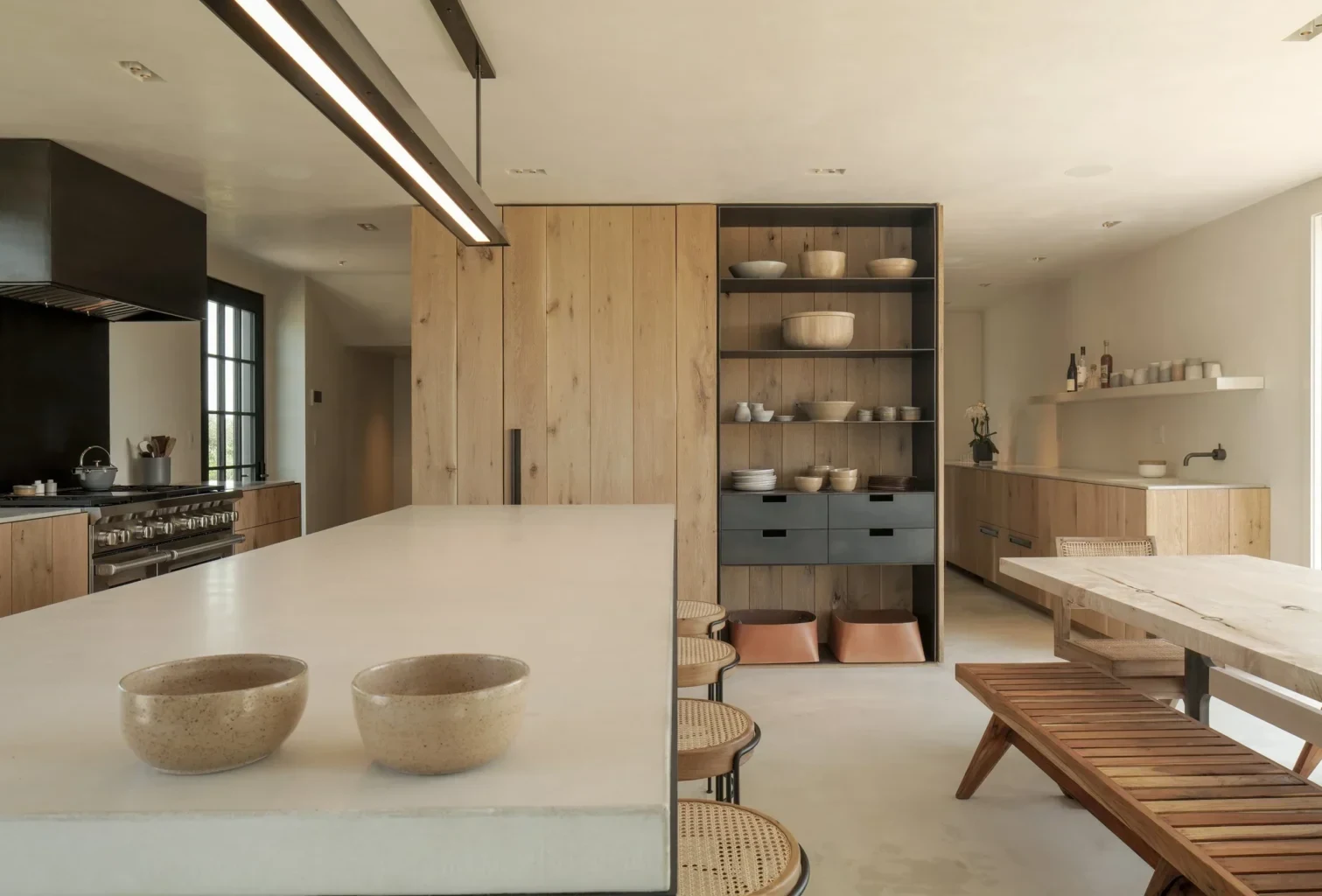
Nickel Gap is a tongue and groove paneling style with a built-in, uniform gap—about the width of a nickel—between each board. This consistency creates clean lines and a polished look, making nickel gap ideal for modern, minimalist, or transitional homes.
An added benefit: the small gaps allow for natural expansion and contraction, improving airflow and reducing moisture-related issues over time.
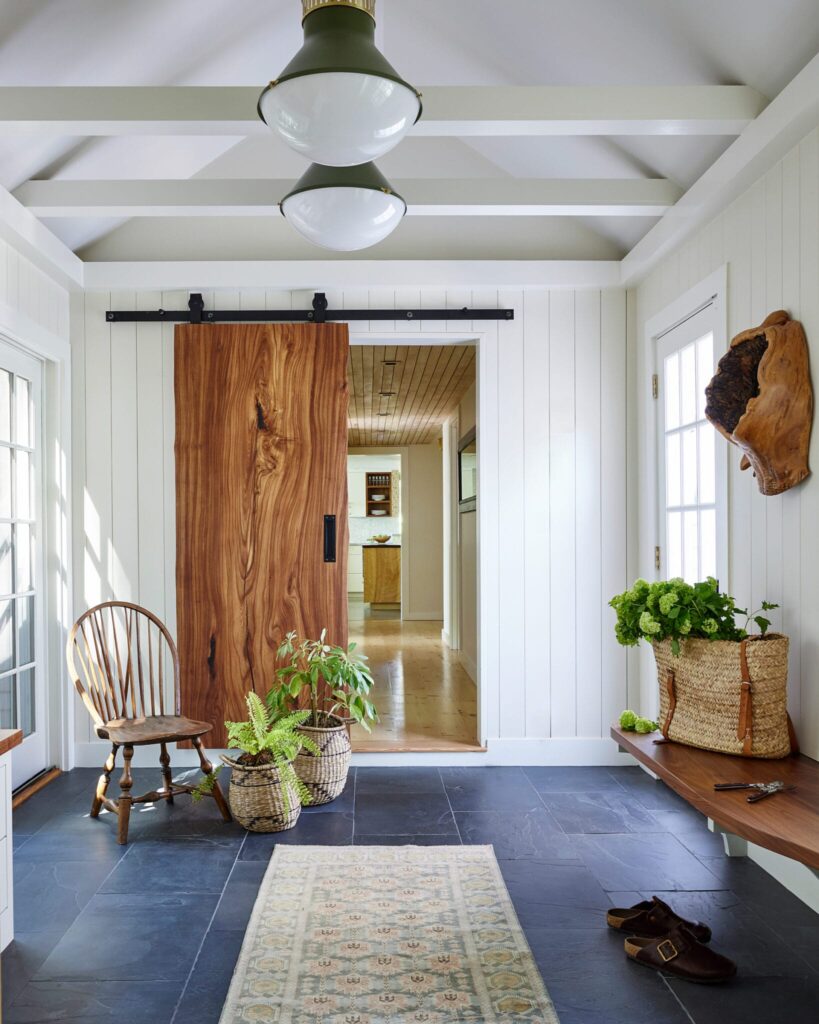
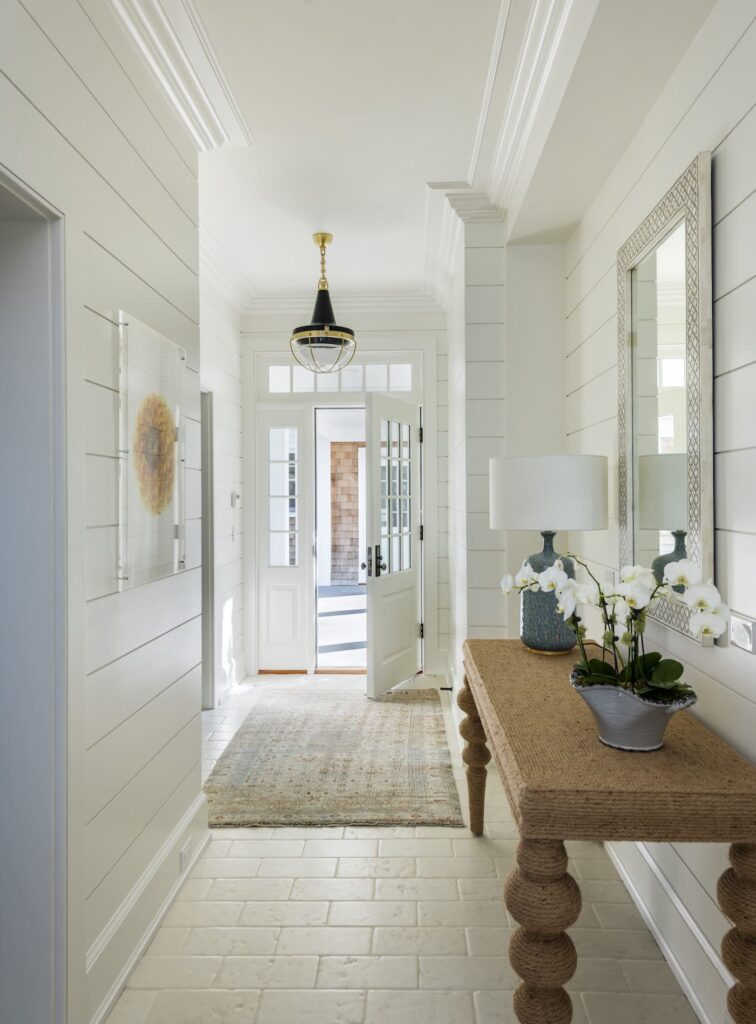

Wall Paneling (Full-Height Statements)
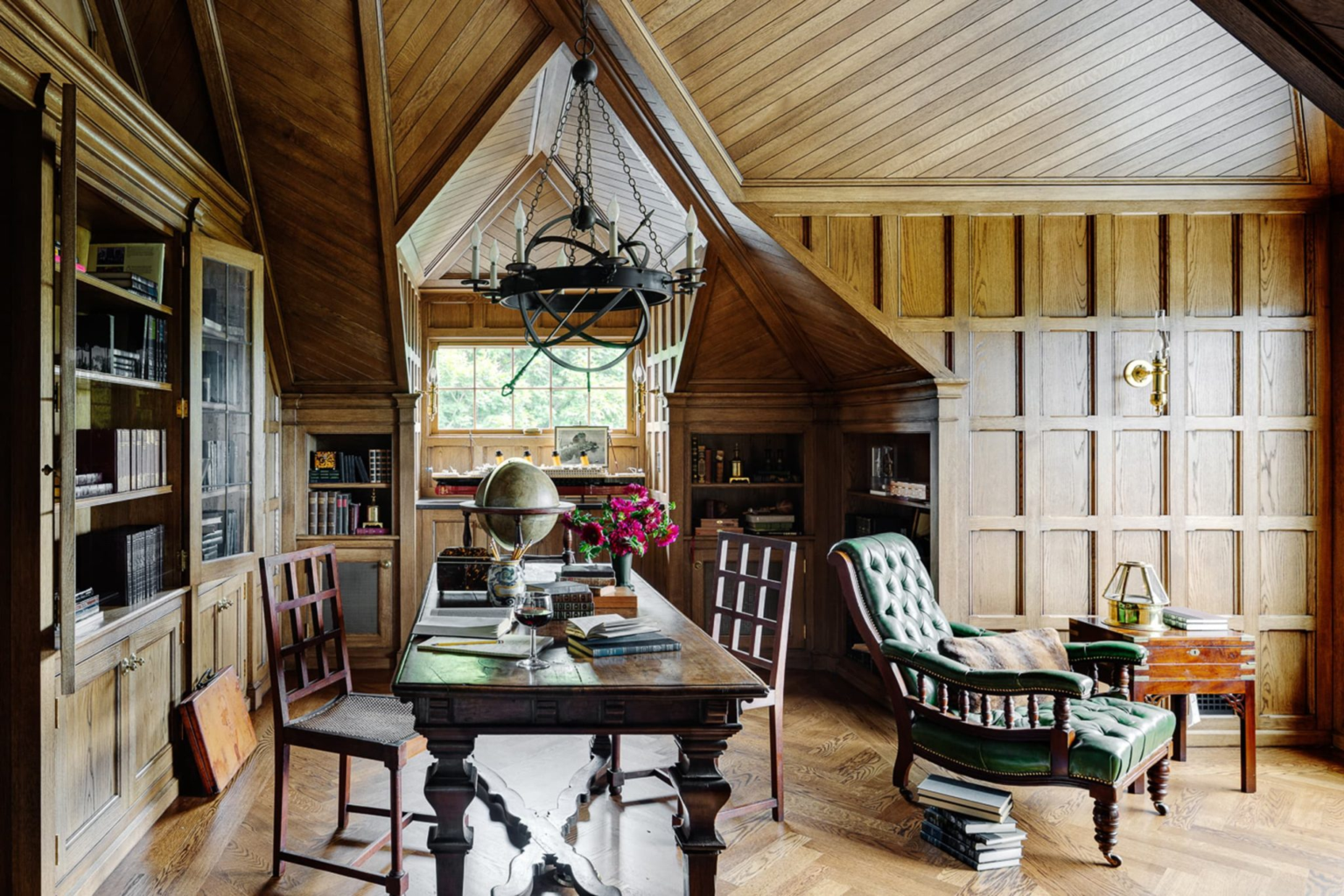
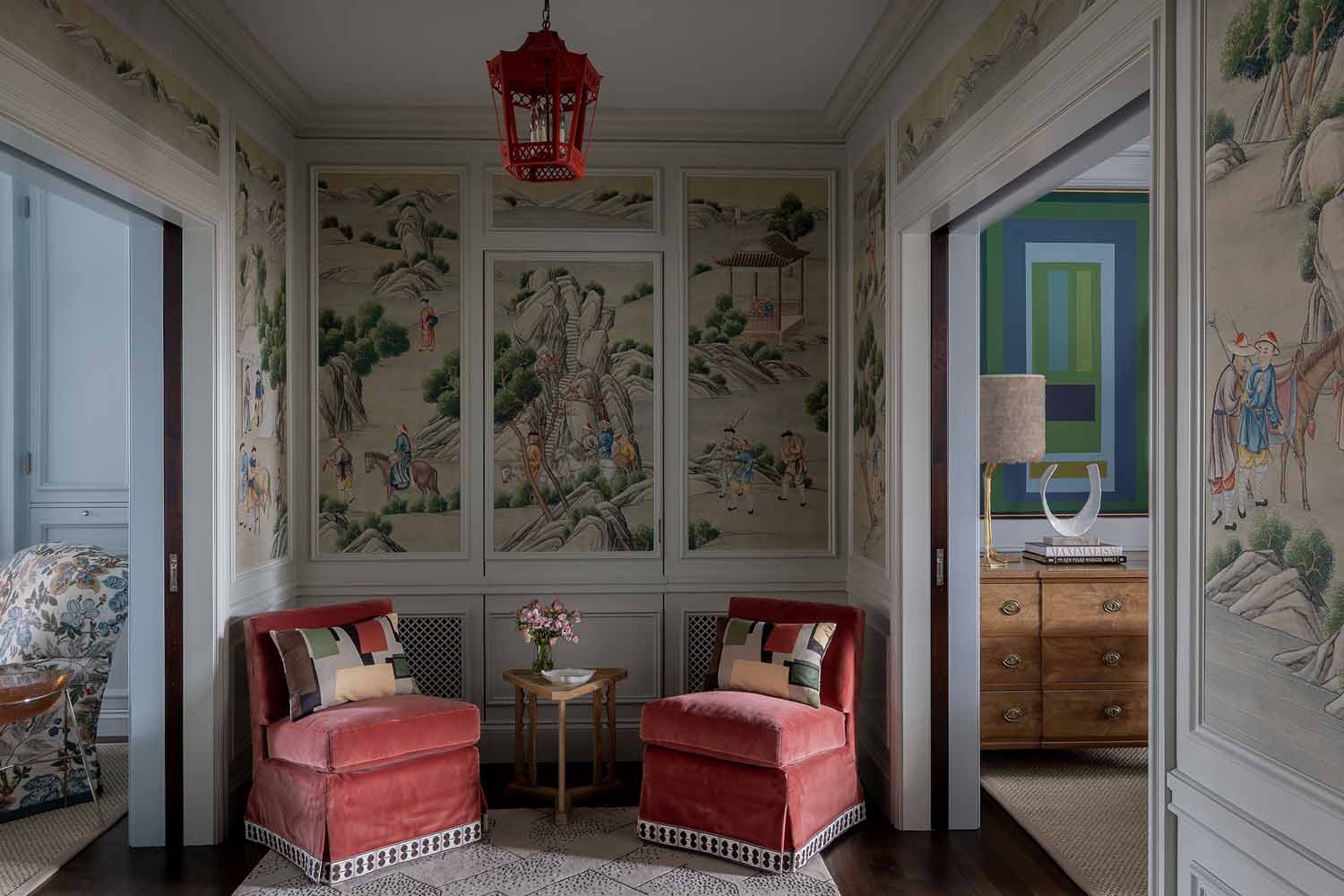
Full height wall paneling can completely redefine a room, adding drama and an architectural wow-factor. Coffered panels are inset squares or rectangles arranged in a grid pattern, often associated with formal spaces and classic design. Raised panels are deeply beveled panels that create a traditional, elegant look reminiscent of historic interiors. Flat panels are smooth, unadorned panels that feel clean and contemporary, ideal for modern or Scandinavian-inspired homes.
Board and Batten
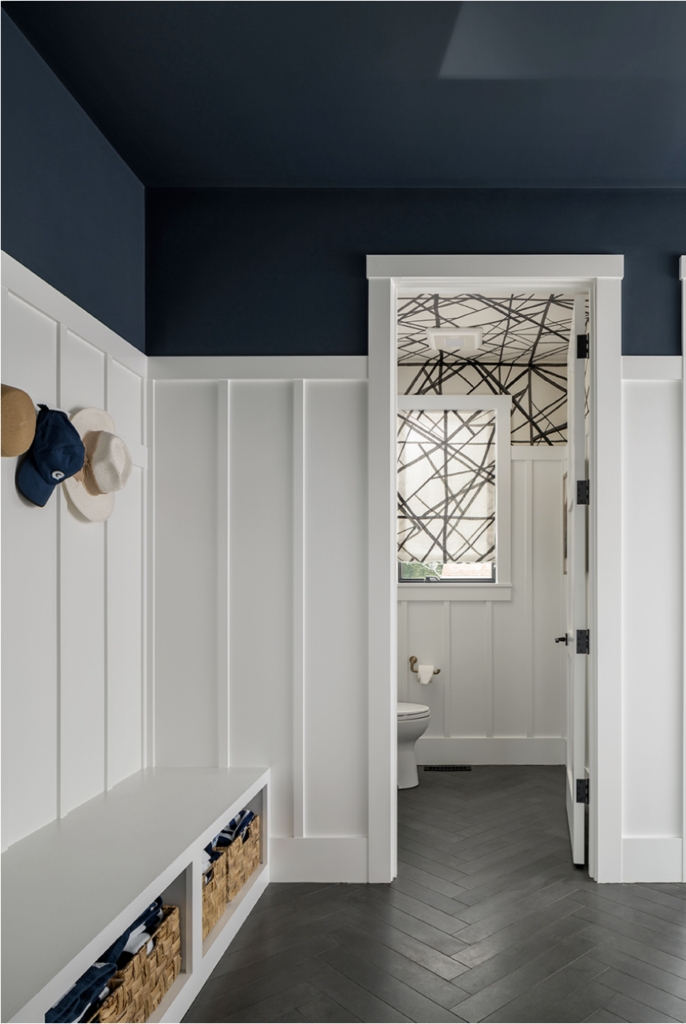
Board and batten paneling consists of wide vertical boards with narrow strips (battens) covering the seams. Originally used for exterior siding, it has become a beloved interior feature for its timeless look and relatively straightforward installation.
Beyond creating dimension and visual interest, board and batten is also a functional form of paneling. Wood naturally expands and contracts with temperature and humidity changes. The small gaps between the boards allow for this movement, while the battens overlap the seams to create a tight, finished look.
Choosing the Right Paneling for Your Home
When it comes to wall paneling, the best choice depends on the vibe you’re going for—and how you use the space. No matter the style, thoughtfully chosen wall paneling is sure to bring depth, character, and craftsmanship to your home.
Here are our suggestions based on the look and feel you are going for in your home:
Classic & Traditional: Raised panels, wainscoting, or V-groove bring timeless elegance and a touch of formality.
Warm & Casual: Beadboard or shiplap creates an inviting, cozy, lived-in feel.
Modern & Minimal: Flat panels or nickel gap offer clean lines and subtle texture without visual clutter.
Bold & Architectural: Floor-to-ceiling paneling or coffered designs make a strong statement and anchor a room.
