

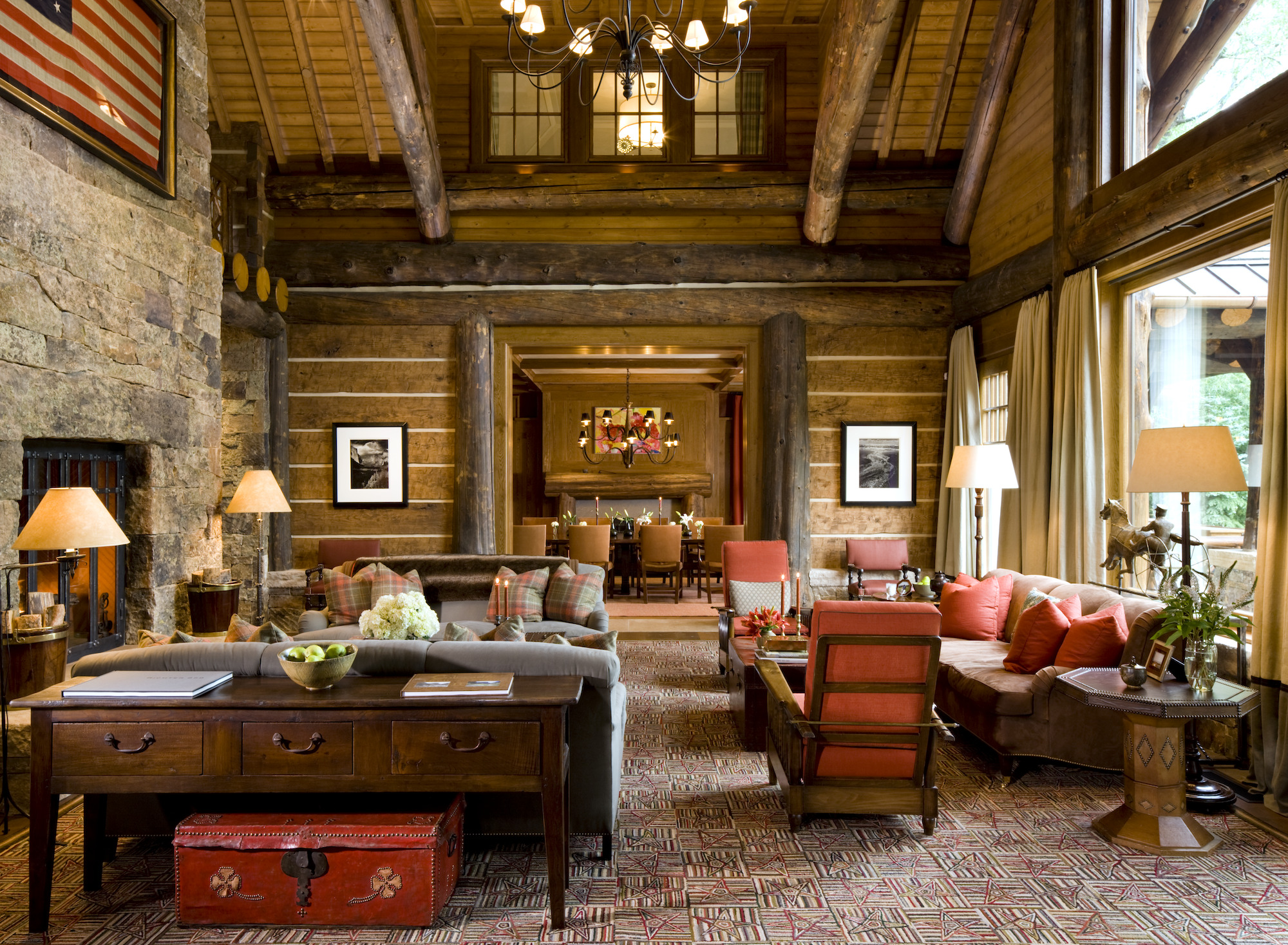
Home on the Range: How to Bring Western and Rustic Style Into Your New England Home
From the sandy coast of New England to the great plains of the West, ranch-style homes have slowly brought a grand revival to the world of design—one that’s focused on preserving the heritage and pioneer history of the American frontier.
What Defines Western & Rustic Style?
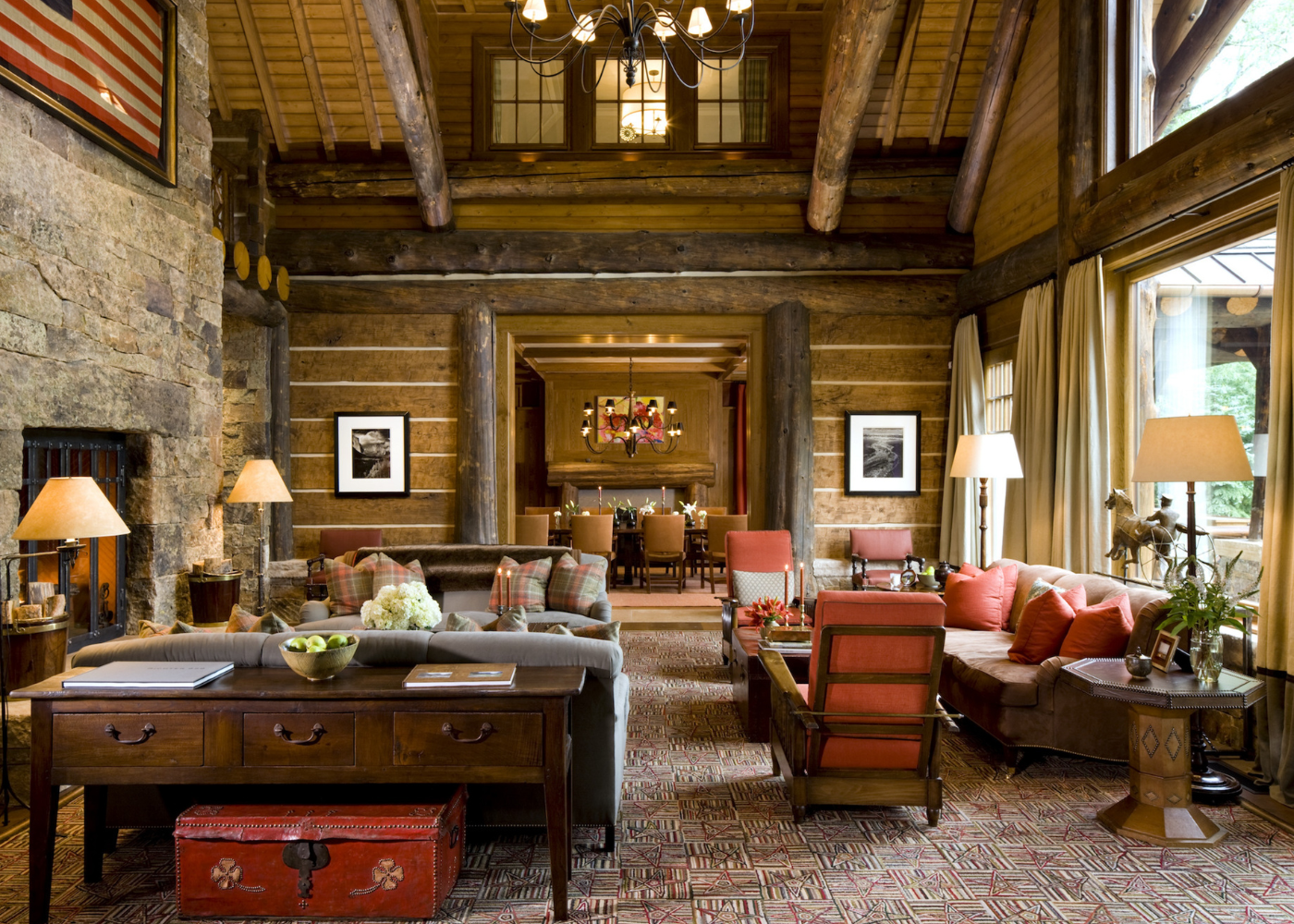
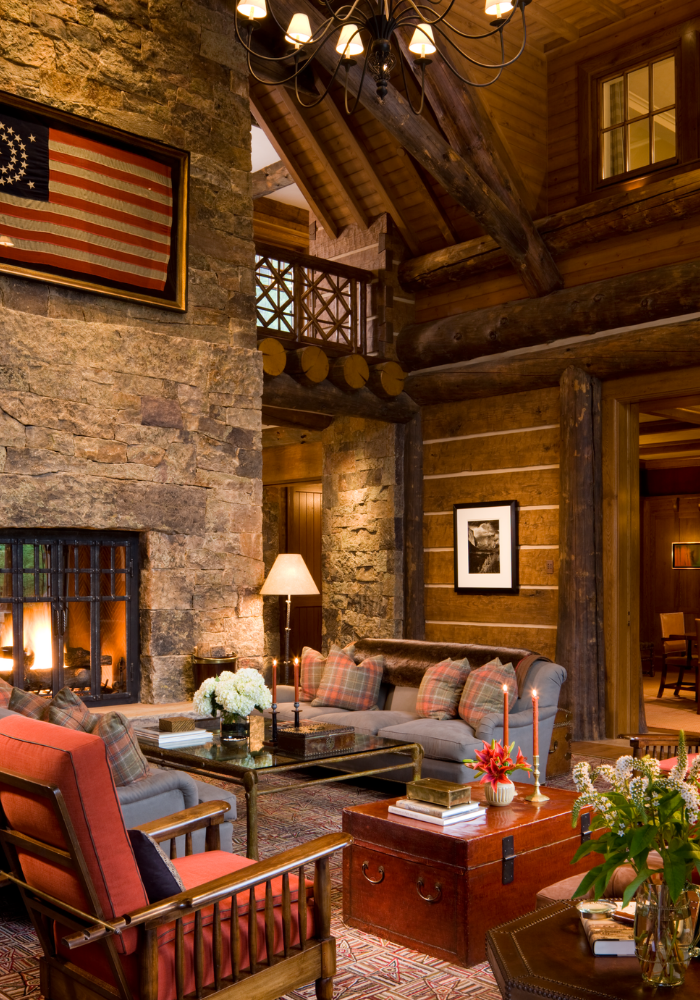
Western style is a rugged blend of natural materials and earthy tones that reflect the outdoors. Scuffs, irregular shapes, and rough edges aren’t flaws. They’re part of the appeal.
Rather than relying on themed novelty décor, authentic Western style favors genuine, well-made pieces. The result is intentionally unrefined and tactile, creating interiors that feel like an extension of the land around them.
Key Features of Western Style Interiors
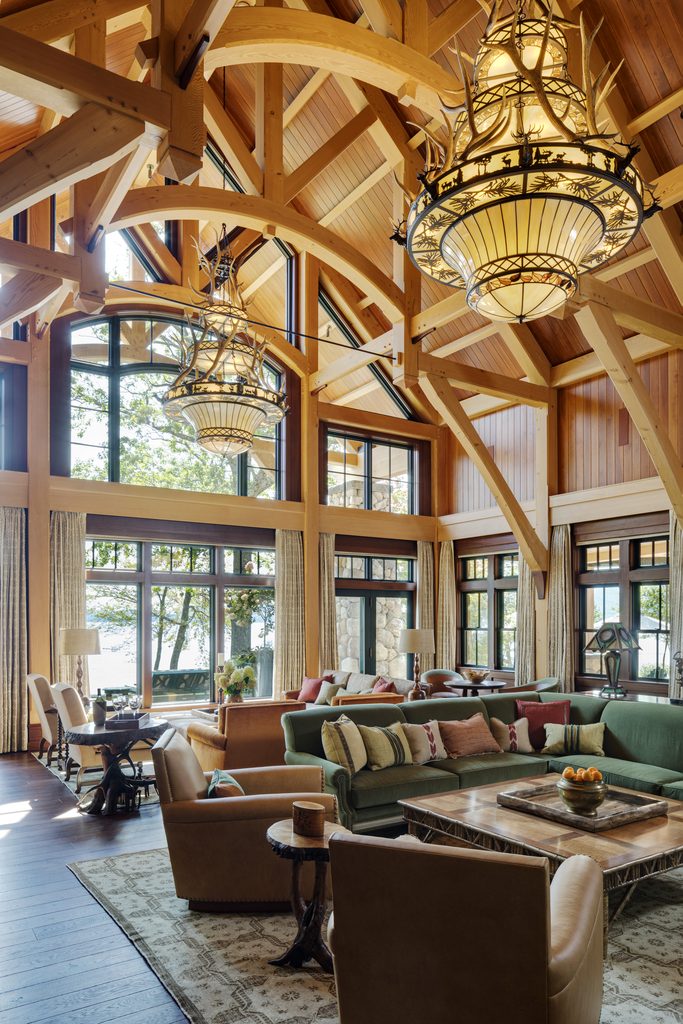
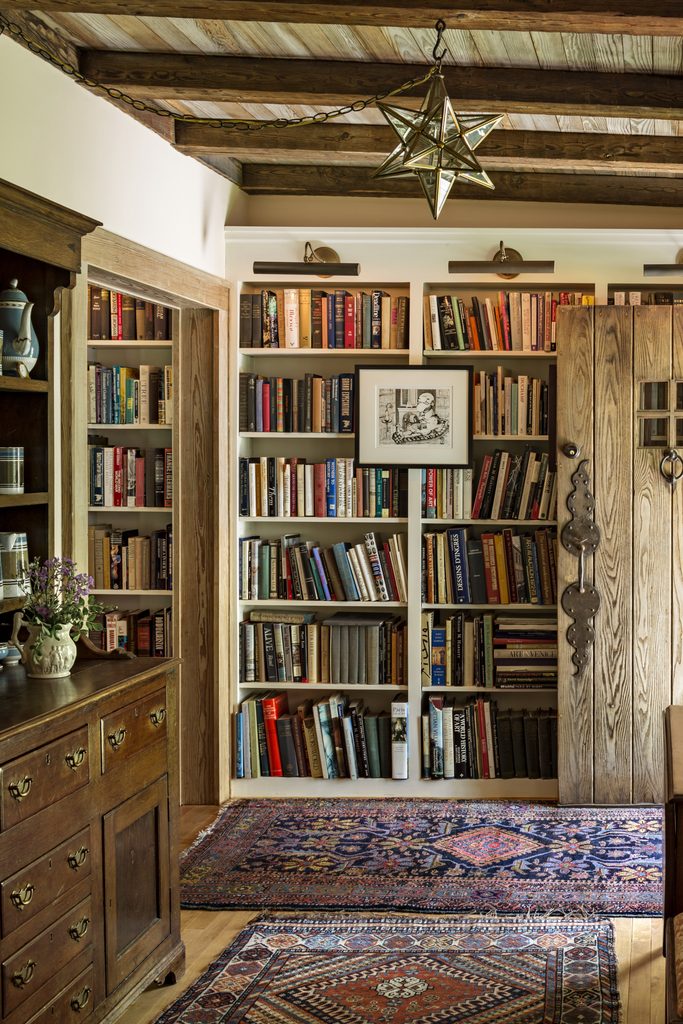
Bold textiles: Cowhide and wool rugs soften the hard surfaces of reclaimed timber and natural stone, which can feel austere on their own.
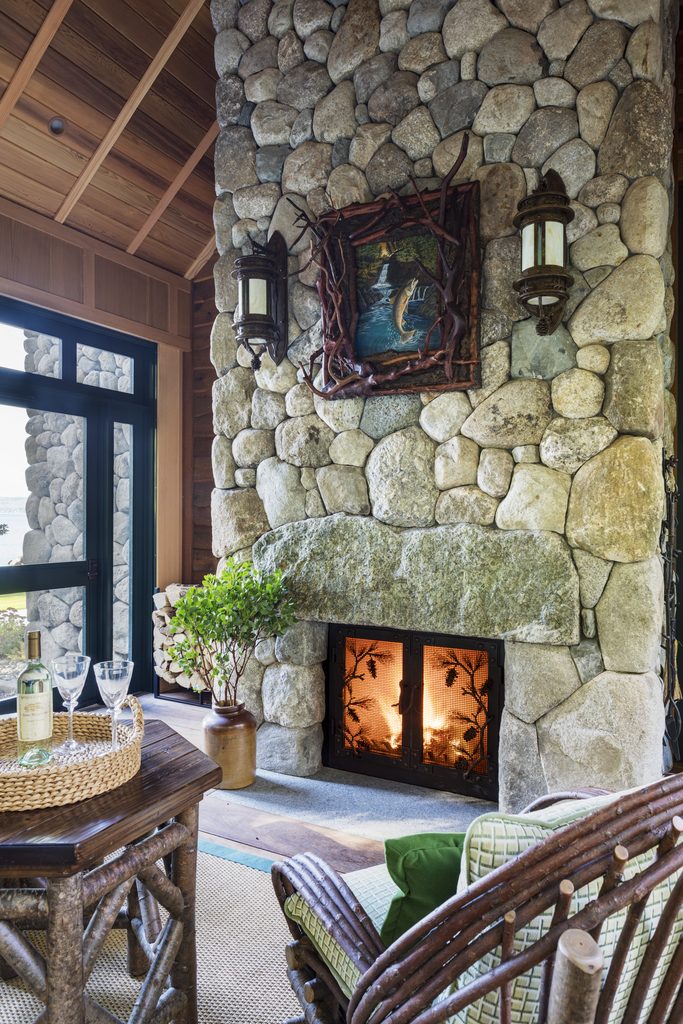
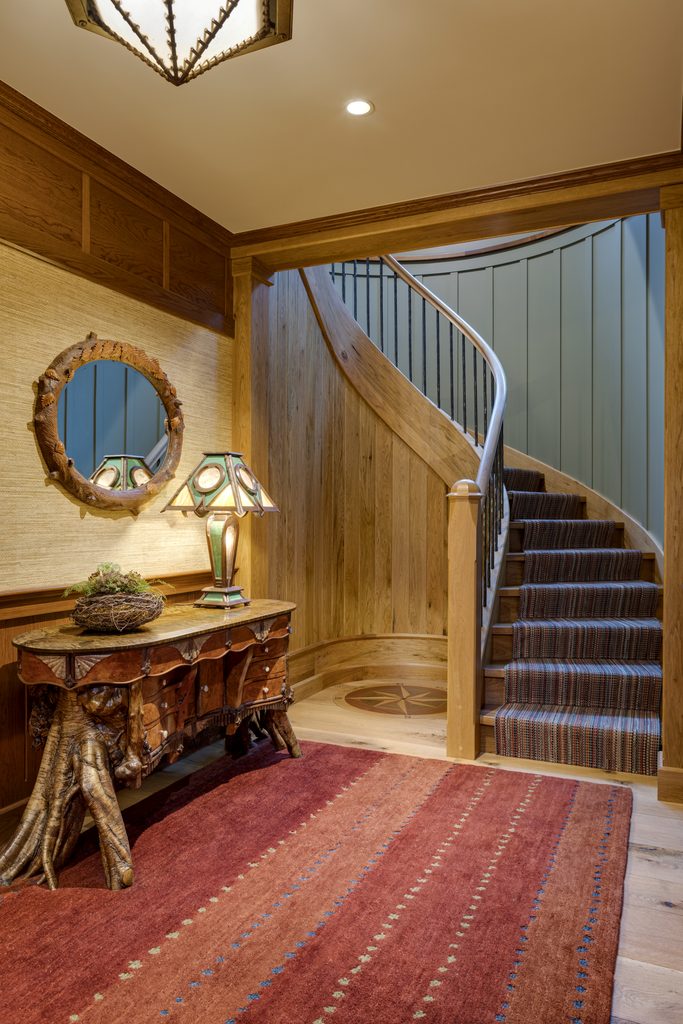
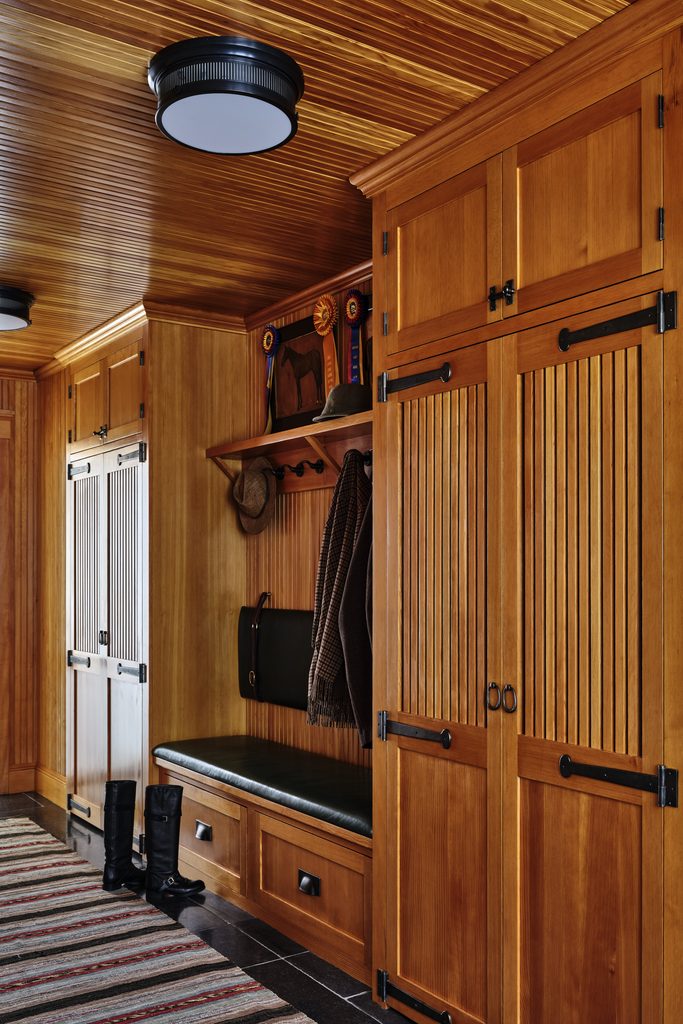
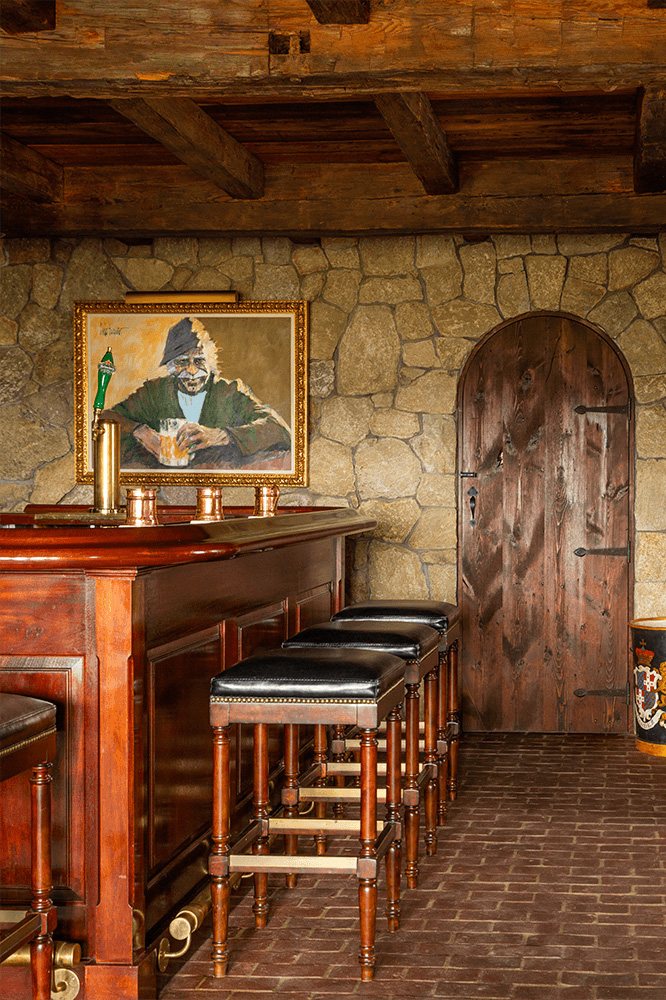
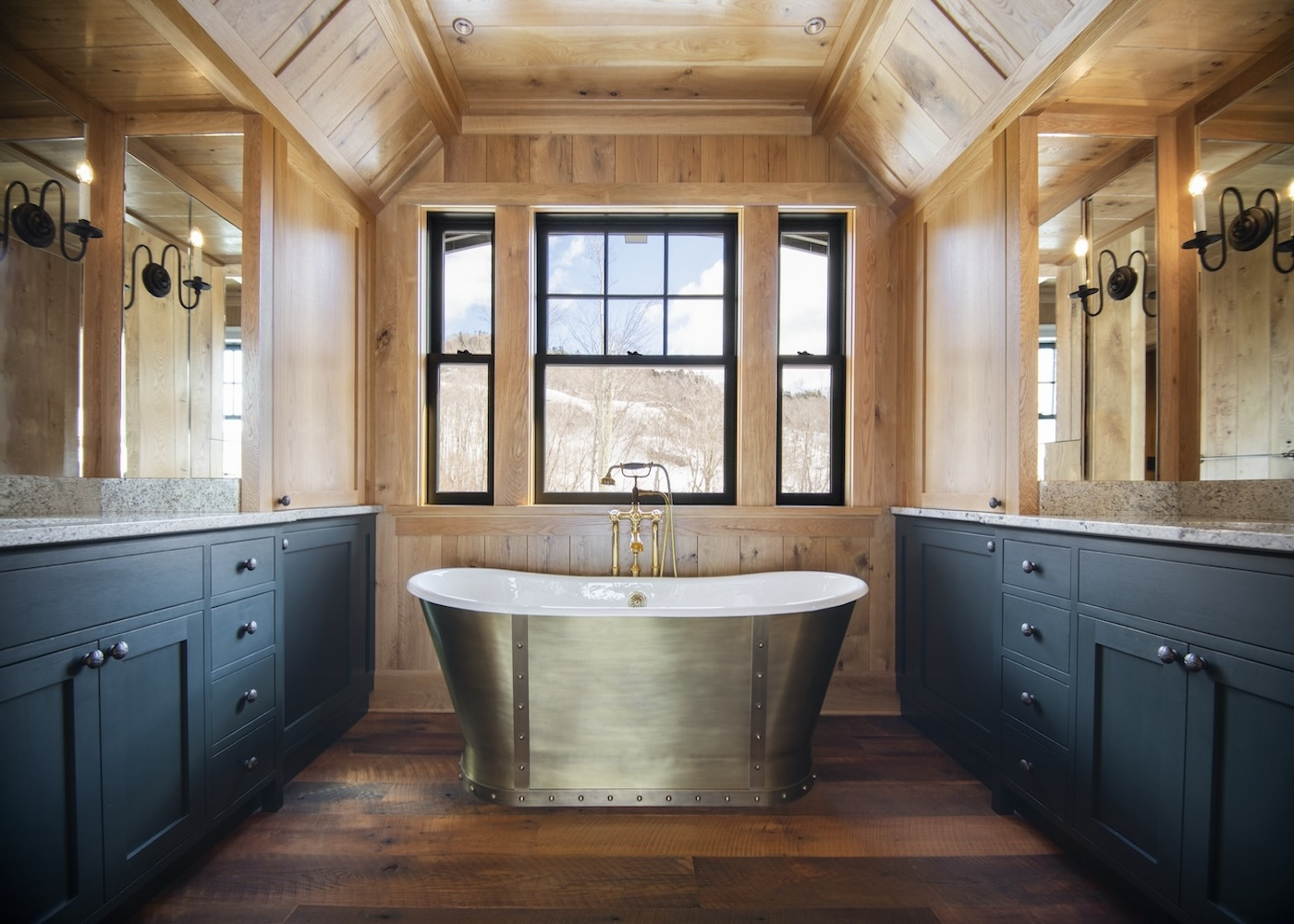
Reclaimed wood: Exposed beams and floor-to-ceiling wood paneling bring organic warmth and give a room a strong, grounding frame.
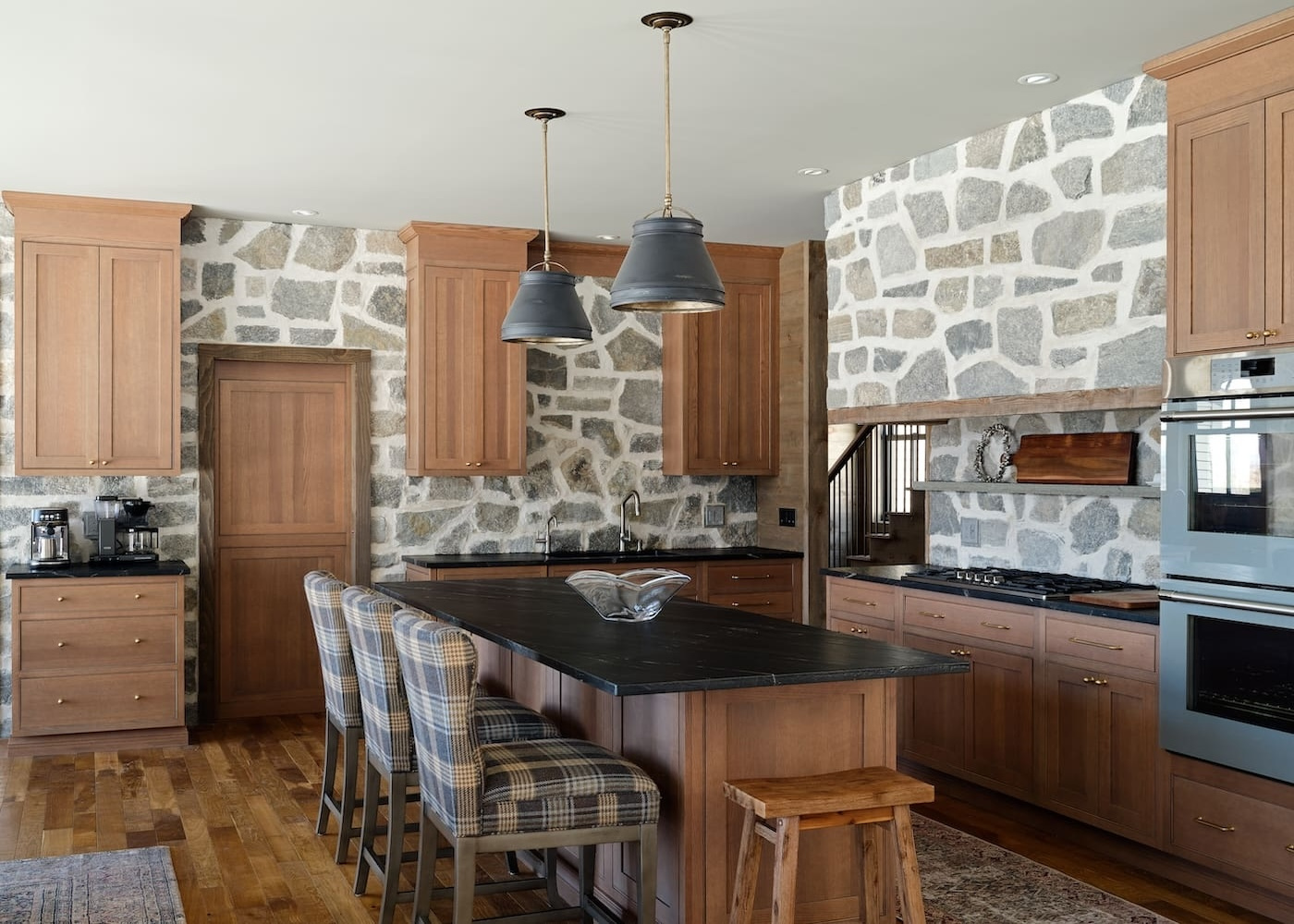
Uncut stone: Raw stone creates solid, striking walls and fireplaces, filling large spaces with a natural mosaic of texture.
Patinated metals: Wrought iron and unlacquered brass develop a rustic patina over time, adding understated elegance and polish.
Western Decor Accents and Finishing Touches
Warm desert hues: Terracotta and sandstone tones are complemented by handcrafted pottery and vintage accents.
Equestrian and ranch motifs: Subtle nods to horses and ranch life pair well with distressed leather and saddle-stitched details.
Statement pieces and art: Desert plants, antlers, and natural objects help a space feel aged, organic, and true to its surroundings.
Hand-carved details: Intricate carvings on furniture legs, frames, and tabletops add to the room’s rustic personality.
Why Western Style Works in New England Homes
Western and rustic design isn’t as common in New England, but many of its core elements fit the region’s geography, climate, and history. Instead of treating them as opposites, blending Western style with East Coast charm creates a striking, cohesive look.
The layered rugs, rich textures, and warm materials of Western design complement the dark, moody atmosphere of a long New England winter and make rooms feel cozier.
Similarly, wood helps a room feel warmer as it’s a natural insulator, while stone—which has high thermal mass— absorbs heat from sunlight or a fireplace and releases it slowly.
Many post-and-beam homes, as well as colonials, already feature natural timber, exposed beams, stone fireplaces, and wrought-iron hardware as well, making them an ideal canvas for Western accents.
Overall, Western style’s focus on durability matches New England’s appreciation for timeless, sustainable, heirloom-quality pieces. With much of New England’s heritage coming from farming and rural life surrounded by wooded landscapes, echoing the outdoor-inspired spirit of traditional Western design is merely second nature.
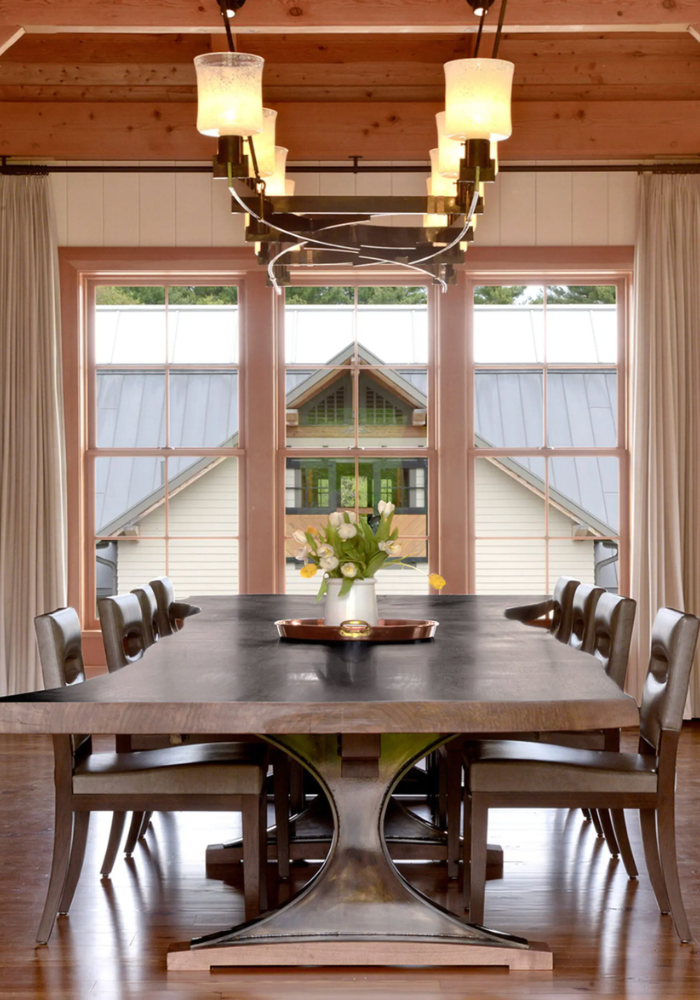
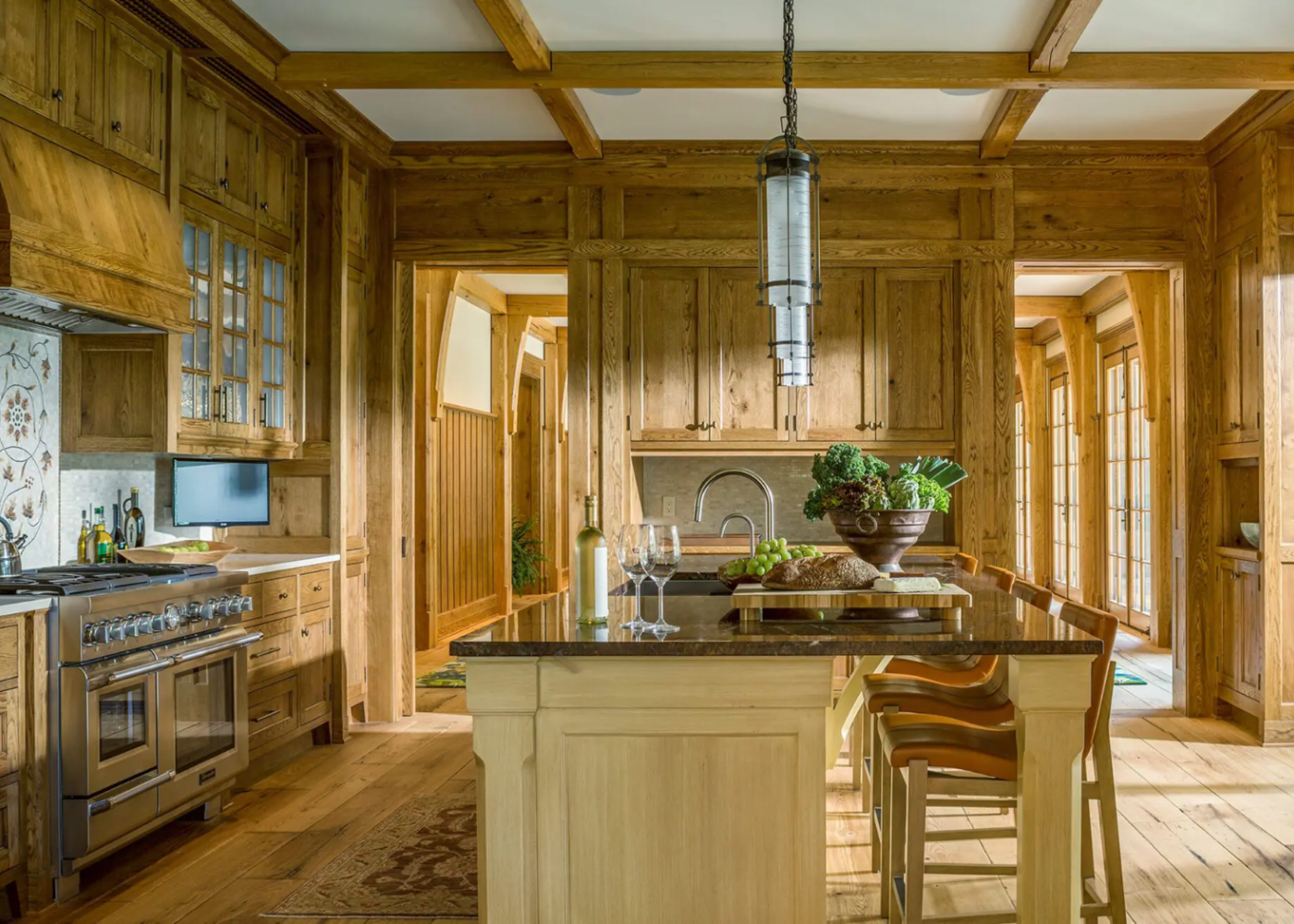
Western and rustic interiors are collected spaces full of character and warmth, deeply connected to the natural world and its rugged beauty. They feel intentionally raw and hearty, and they give off a warmth you can see and feel throughout the home. For New England homeowners, Western style is less a departure than a natural extension of the region’s own heritage.
