

Fall Cleanup Checklist: 5 Things Homeowners Need to Know Before Winter
Fall cleanup is much more than raking leaves and putting away your summer gardening tools.
This season’s work focuses on prepping your landscape for winter and maximizing its health so it’s lush and ready when spring arrives. From the last lawn mow to protecting trees and plants from harsh winter conditions, a few mindful and intentional steps are all you need to make this your best season.
The Last Lawn Mows Before Winter
Even if your lawn is slowing down, you don’t have to! Taking on these steps protects your turf before winter.
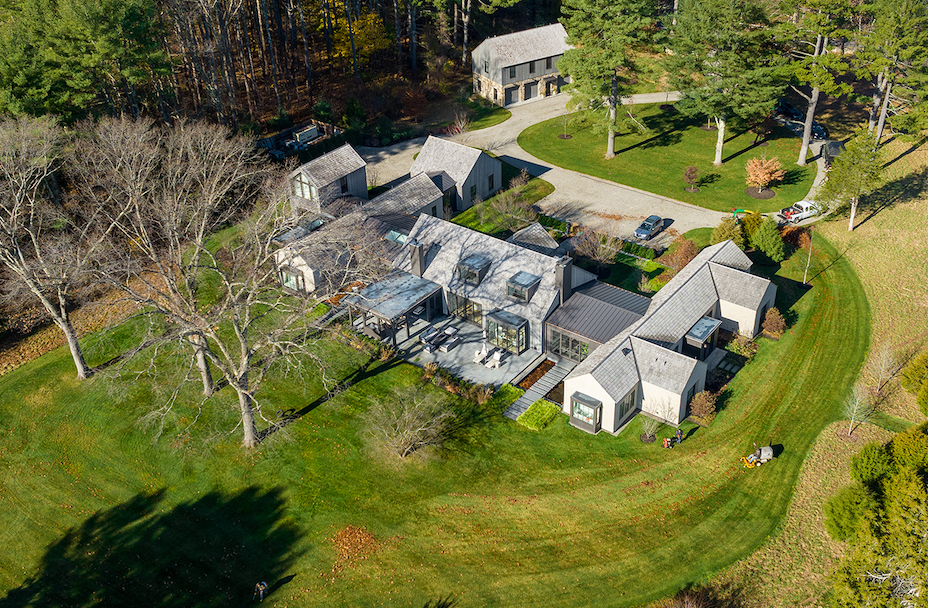
- Give your lawn one last short mow at the end of the growing season. This prevents it from matting under snow and becoming unhealthy.
- Summer entertaining and activities can compact the soil. Fall is a great time to renovate and overseed your lawn. Cooler temperatures, morning dew, and naturally moist soil create favorable conditions for grass seed to work without the heat and stress of summer.
- Onyx Corporation supports aerating, dethatching, overseeding, and fertilizing your lawn. They suggest:
- Aerating also relieves compacted soil and allows oxygen, water, and nutrients to reach the root zone. Dethatching also removes the dense soil so water, nutrients, and new seed can reach the soil more effectively.
- Fall is also the perfect time for fertilization. This supports the roots as the grass heads into winter.
- You can put down seed in late November or early December, after regular fall growth has stopped. The seed remains dormant through winter and can begin growing as soon as conditions are more favorable in spring
Leaves Are More Than Just Cleanup
Leaves are one of the biggest parts of fall cleanup, but they don’t necessarily need to disappear from your property.
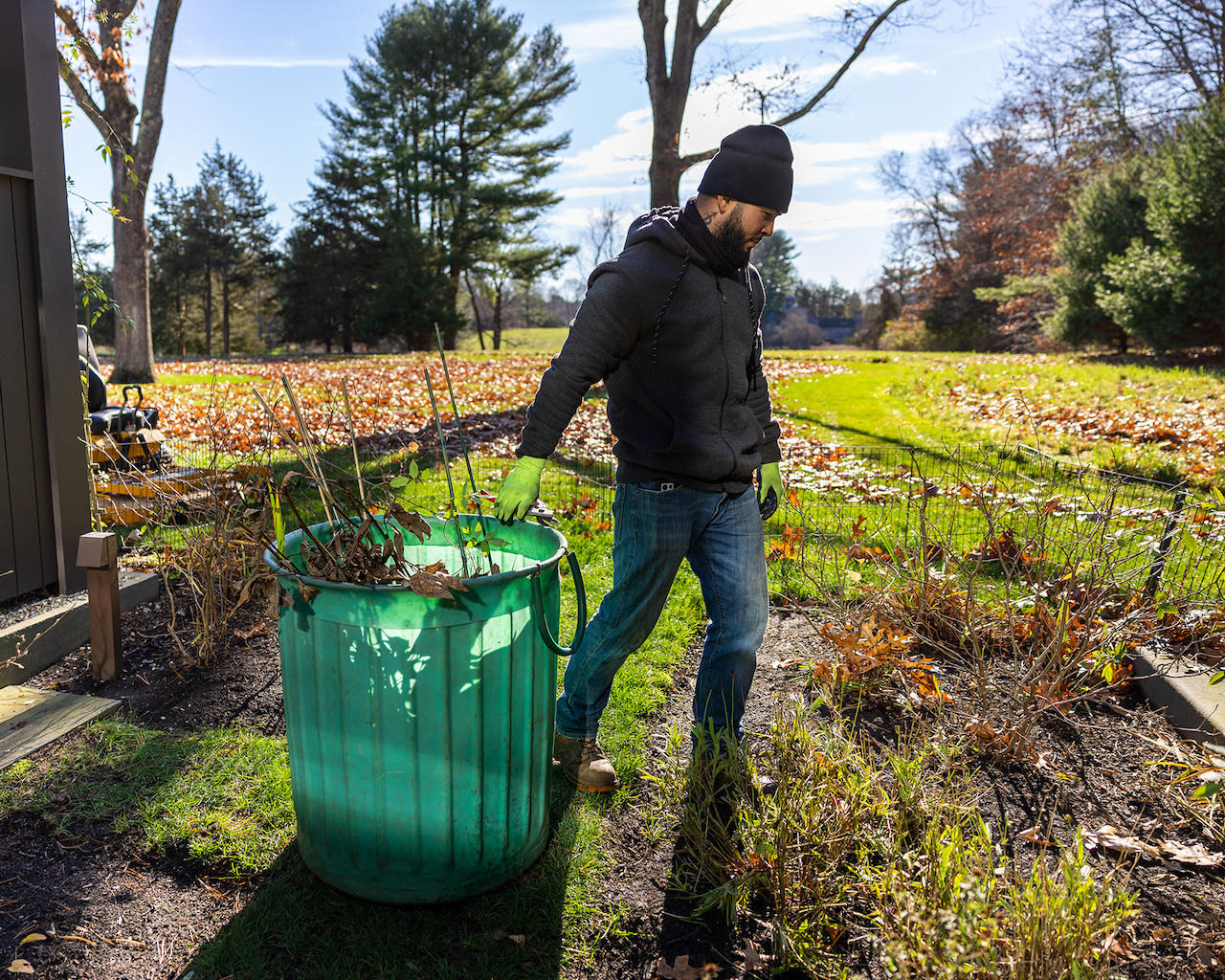
- The most important place to remove leaves is the lawn. A heavy layer can block light and air, and smother the grass over the winter.
- How often you clean up leaves largely depends on your preference. Any approach can work as long as you don’t let leaves build up into a thick layer on the lawn.
- Trees drop their leaves at different times, so knowing your trees can help you anticipate your cleanup.
- Natural areas, wooded edges, and garden beds can actually benefit from fallen leaves.
- You can also turn leaves into mulch. A Blade of Grass recommends running your mower over leaves to chop them into small pieces, then leave the finely shredded material on the lawn or spread it over garden beds.
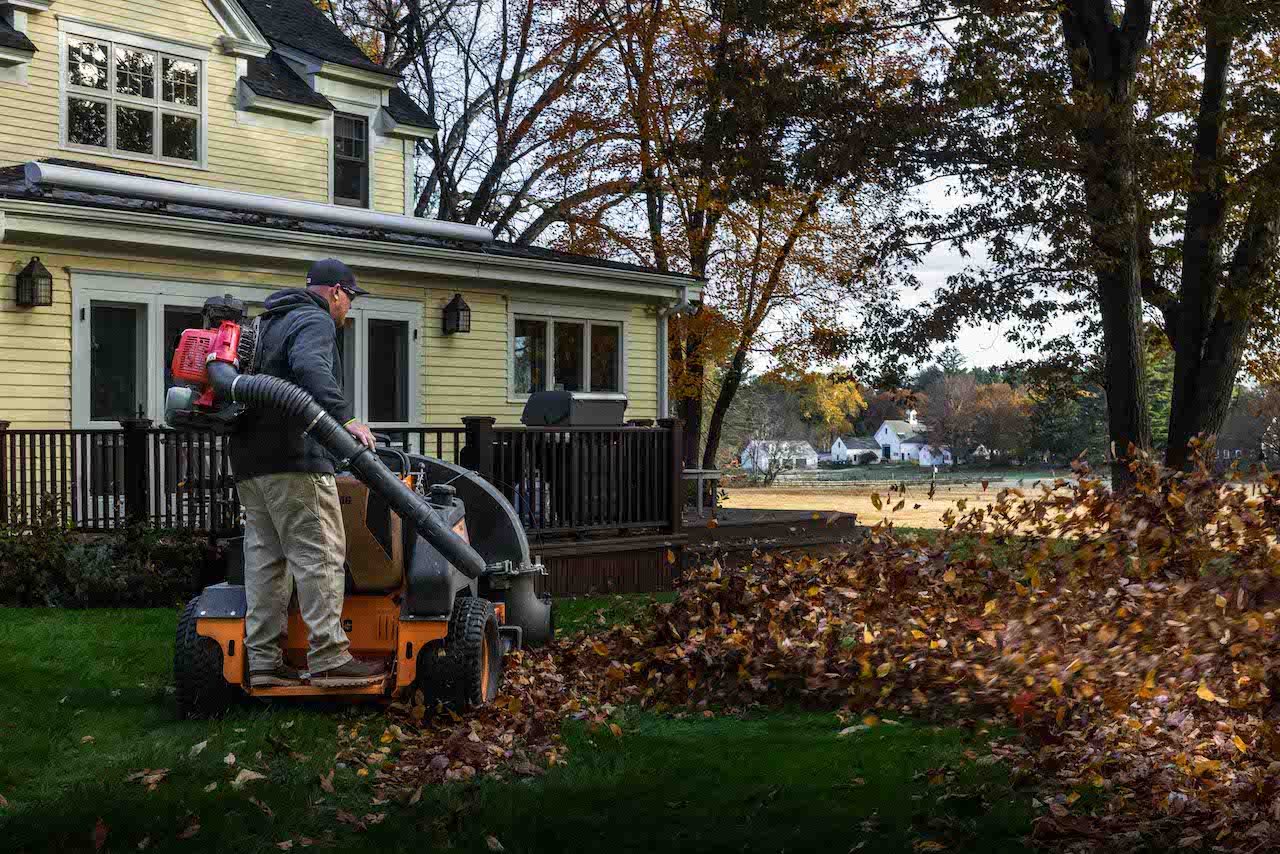
In other words, fall cleanup doesn’t have to mean a completely leaf-free landscape. The goal is to utilize the leaves where they can benefit the landscape without causing problems.
Preparing Trees and Plants for Winter
Winter can be hard on plants. Snow, ice, wind, cold temperatures, and wildlife can all cause damage, so fall is the time to identify your most delicate plants and help to protect them.
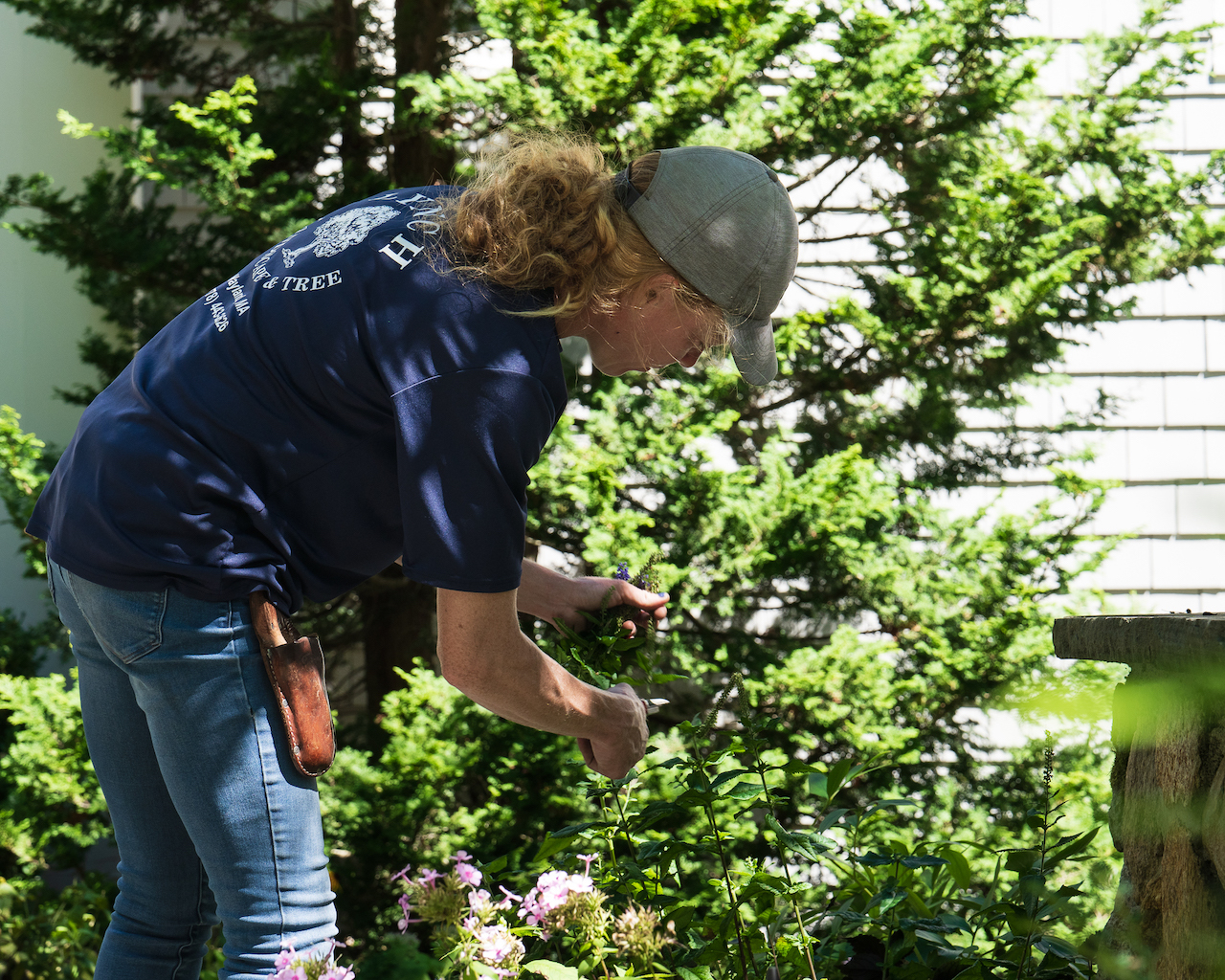
- One of the most important but easily overlooked fall tasks is ensuring plants have enough water for winter. Landscape Creations advises paying close attention to soil moisture: “Extreme, seasonal coastal storms can expose drainage problems, saturated soils, and areas where water is not moving through the property as it should.”
- Drought followed by heavy rain can make it difficult to know how much water has actually reached the roots. Trees and shrubs—particularly newly planted trees, shrubs, and evergreens—should be hydrated before freezing temperatures.
- Depending on the plant and location, burlap wrapping can help protect plants from winter and temperature swings.
- Newly planted or particularly sensitive plants may benefit from a layer of leaves or straw around their base for extra winter protection.
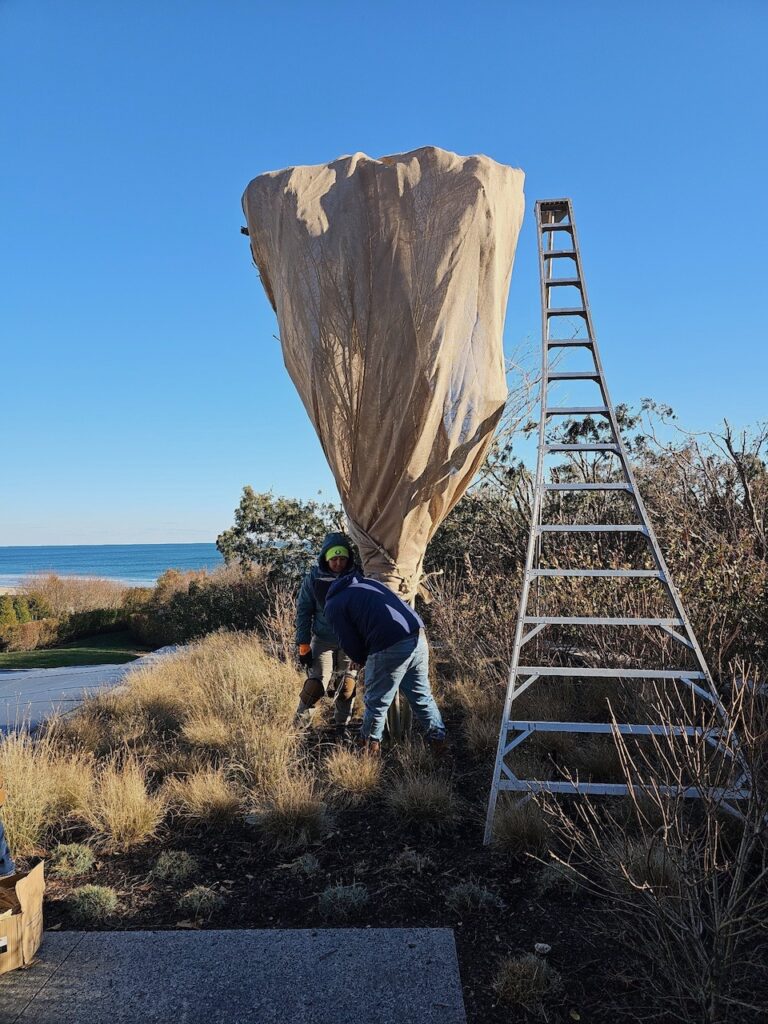
Also consider rabbits and deer, as their other food sources become scarce! Protect susceptible plants with measures such as:
- Cages around roses and other plants that rabbits frequently browse (and enjoy).
- Trunk collars or guards around young trees and vulnerable shrubs.
- Deer netting where deer browse your plants.
- Appropriate wildlife deterrents or scheduled repellent applications.
If you need to relocate plants, fall can be a good time to transplant. Cooler temperatures and softer soil can help plants establish before summer weather. Food for thought: check any mature trees over the home and other vulnerable areas.
Putting the Garden to Bed—But Don’t Cut Everything Back
Putting the garden to “bed” doesn’t necessarily mean making every bed perfectly clean. Homeowners essentially have two options: a more manicured fall cleanup or a more natural approach that leaves some plants standing through winter.
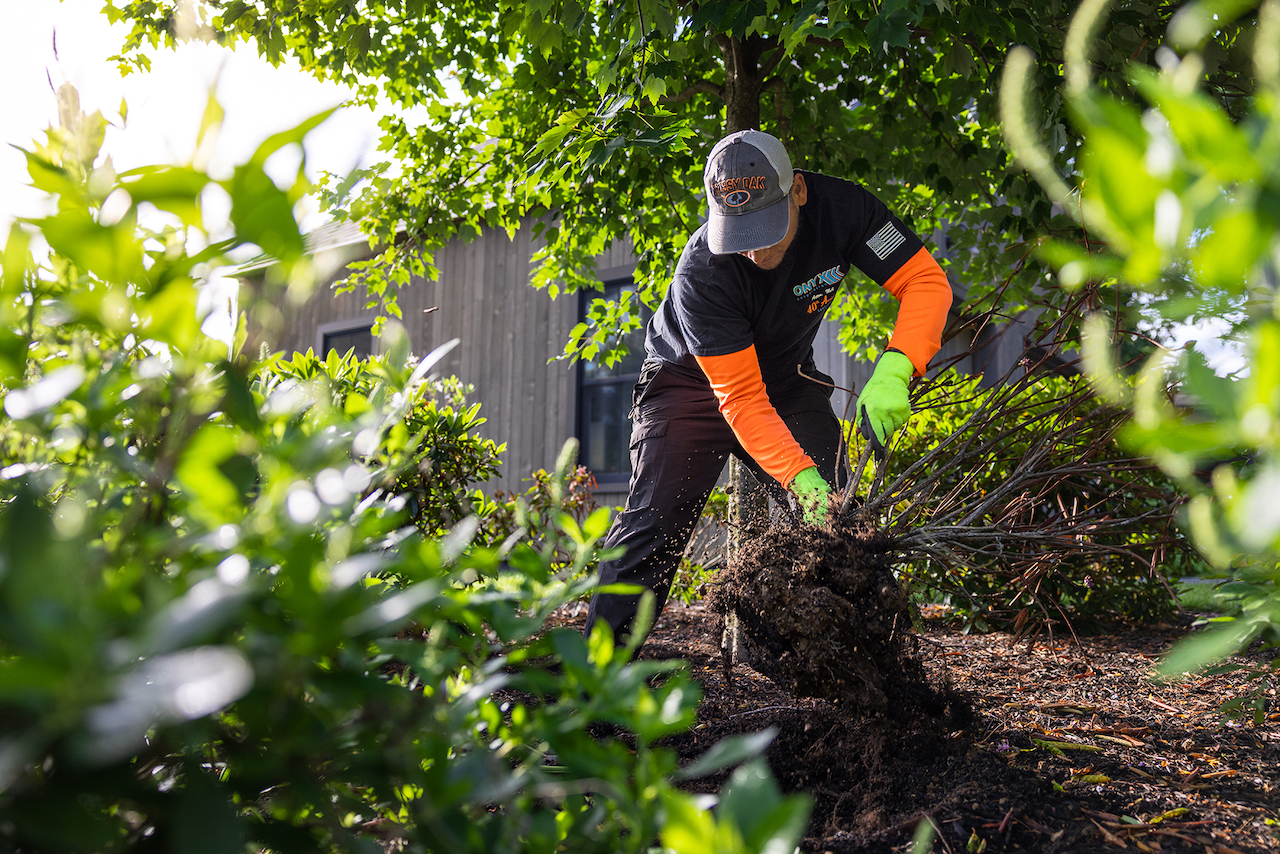
- Lynch Landscaping & Tree Services recommends leaving perennial stems, seed heads, and grasses standing if you want to provide food and shelter for birds, pollinators, and other garden wildlife. Plants such as black-eyed Susans and echinacea can produce seed heads that feed birds, while ornamental grasses add winter structure and habitat.
- For a cleaner, more finished look, cut back most herbaceous perennials once they turn yellow or go dormant. Plants showing signs of disease are the exception. Generally, remove diseased plant material from the garden and property rather than leaving it in place.
- Some plants are also better left standing until spring. Russian sage and butterfly bush, for example, are often better candidates for spring rather than fall cutback.
According to The Narrow Lane, “If you want tulips, daffodils, alliums, crocuses, or hyacinths in the spring, fall is the time to plant them. Bulbs are also one of the easiest ways to make an established garden feel different from year to year.”
You don’t necessarily need to redesign a bed or add new shrubs and perennials. Adding the right bulbs can completely change how the garden looks in April and May.
Don’t forget tender plants:
- Some plants simply aren’t equipped to reliably survive winter in colder climates.
- Tender plants such as dahlias, along with certain other tender perennials and herbs, may need to be dug up before winter and stored in an appropriate location until spring. This is easy to overlook because the plants may still look healthy while the rest of the garden is being cleaned up.
- Hydrangeas deserve special attention because pruning at the wrong time can mean sacrificing next year’s flowers.
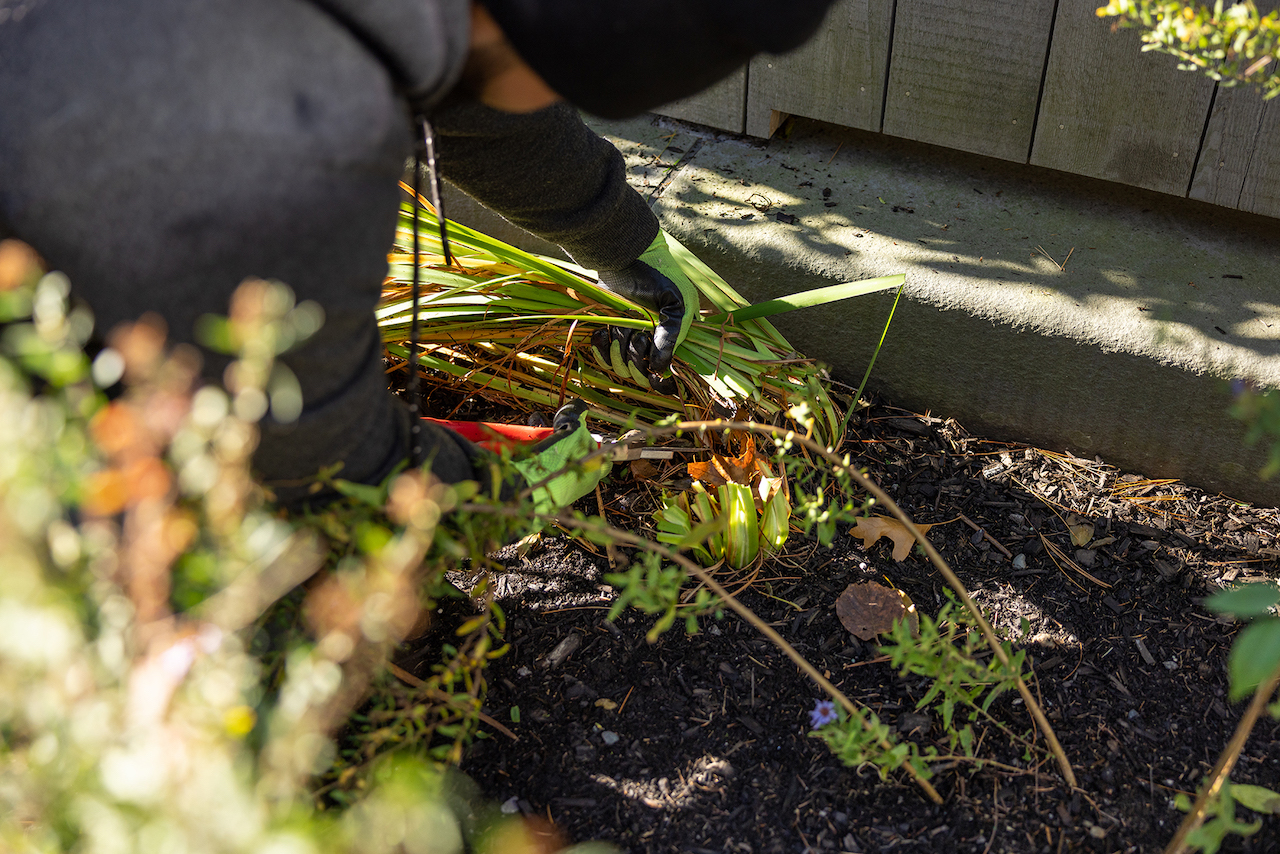
Whether you choose a tidy, manicured garden or leave more plant material standing, make intentional decisions. A garden doesn’t have to be completely bare to be ready for winter.
The Things Homeowners Forget
Some of the most important fall landscape tasks aren’t the ones homeowners typically think about.
- Before winter, inspect and clean catch basins, strip drains, drainage outfalls, and other surface drainage structures.
- It’s also helpful to mark the locations of key drains and outfalls. Inspect hardscape before freeze-thaw cycles begin
- Sudbury Design Group suggests walking around patios, walkways, steps, retaining walls, and other masonry before winter sets in. Water can enter cracks and expand when frozen!
- Before the first storm, walk the property and decide where you can and can’t store snow.
- Before winter, inspect and clean catch basins, strip drains, drainage outfalls, and other surface drainage structures.
- It’s also useful to mark the location of important drains and outfalls. Inspect hardscape before freeze-thaw cycles begin
- Sudbury Design Group suggests walking around patios, walkways, steps, retaining walls, and other masonry before winter sets in. Water can enter cracks and expand when frozen!
- Before the first storm, walk the property and decide where you can and can’t store snow.
- Identify plants and landscape features that snow piles or snow-removal operations could damage.
- One often-overlooked source of winter landscape damage is snow and ice coming off the roof.
Planning for Next Year Starts Now: The goal isn’t to create a perfectly tidy landscape before winter. It’s to leave the property healthy, protected, and prepared for what comes next! It’s also an opportunity to think about what you want the landscape to look like and how you want it to perform next year. A little preparation before the ground freezes can mean fewer winter surprises, less spring cleanup, and a healthier landscape when the growing season begins again.
