
A Handcrafted History: Blue-and-White Ceramics in the Home
A ceramic is more than an object — it's a story shaped by hand.
Blue-and-white ceramics originated in China, where artisans first developed cobalt-blue underglaze painting on porcelain. The style spread to Europe by the 17th century, most famously through the pottery workshops of Delft, the Netherlands, whose artisans adapted the Chinese aesthetic into what became known as Delftware. That fusion of Chinese technique and European craftsmanship created the blue-and-white tradition that still shapes home decor today.

The Origins of Blue-and-White Ceramic Design
The timeless appeal of blue-and-white ceramics stems from a history as rich as the traditions they continue to inspire. Their story stretches back centuries, from the iconic pottery workshops of Delft in the Netherlands—drawing inspiration from even earlier Chinese porcelain traditions—where artisans transformed everyday ceramics into works of art, developing cobalt-blue underglaze painting on porcelain. This stylistic fusion has evolved into a lasting cultural legacy that continues to bridge generations through craftsmanship, history, and personal expression in the home today.
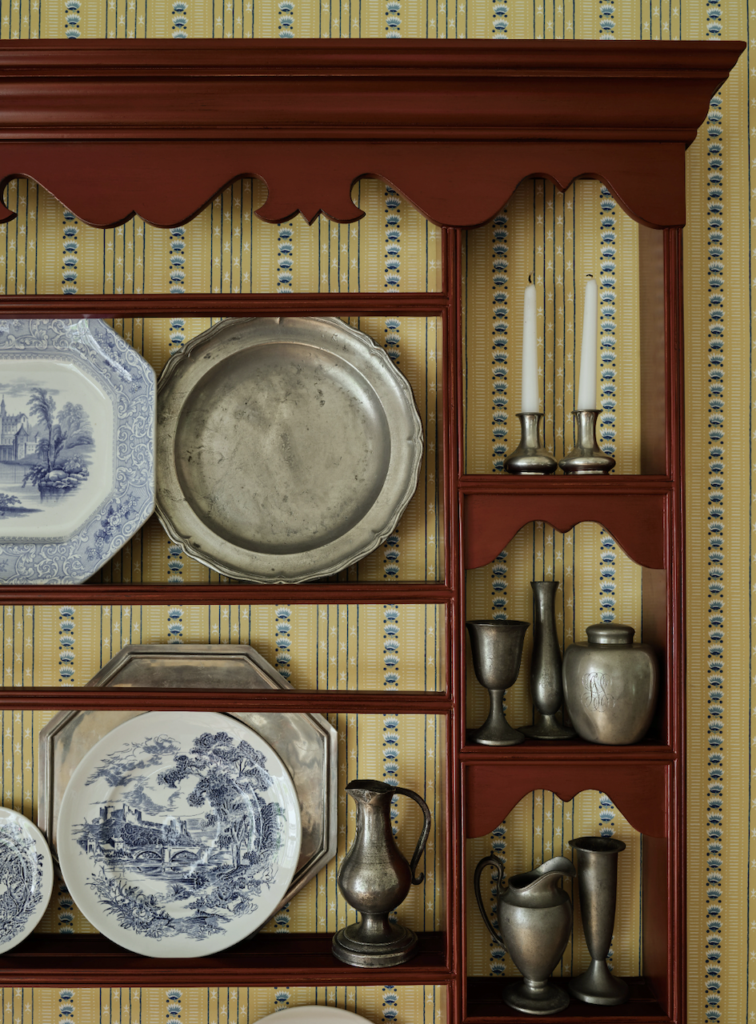
Today, these classic blue-and-white patterns remain as relevant as ever, bringing artistry into the heart of the home. Every ceramic carries this remarkable lineage forward, honoring centuries of skilled craftsmanship while becoming part of a new story with every table it graces, every wall it adorns, and every memory it quietly preserves.
Why Handcrafted Ceramics Matter
A ceramic is more than an object — it’s a story shaped by hand. Every brushstroke, painted motif, and carefully fired finish reflects the artisan’s patience, skill, and observation. Blue-and-white ceramics turn a functional item into a lasting work of art, celebrating the beauty of the handmade while enriching the spaces they inhabit.
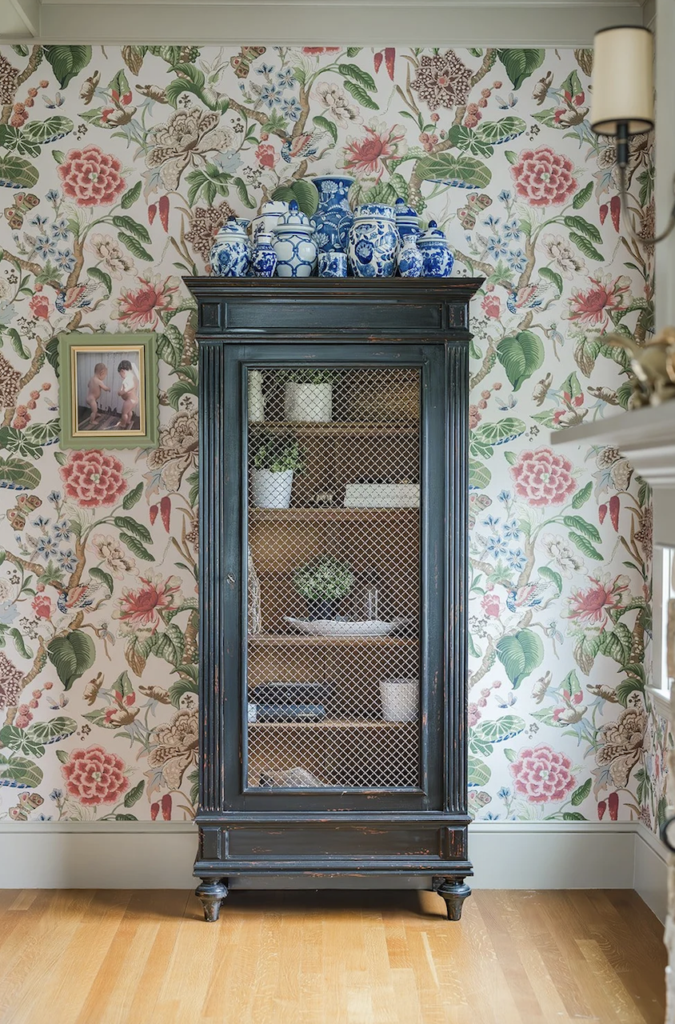
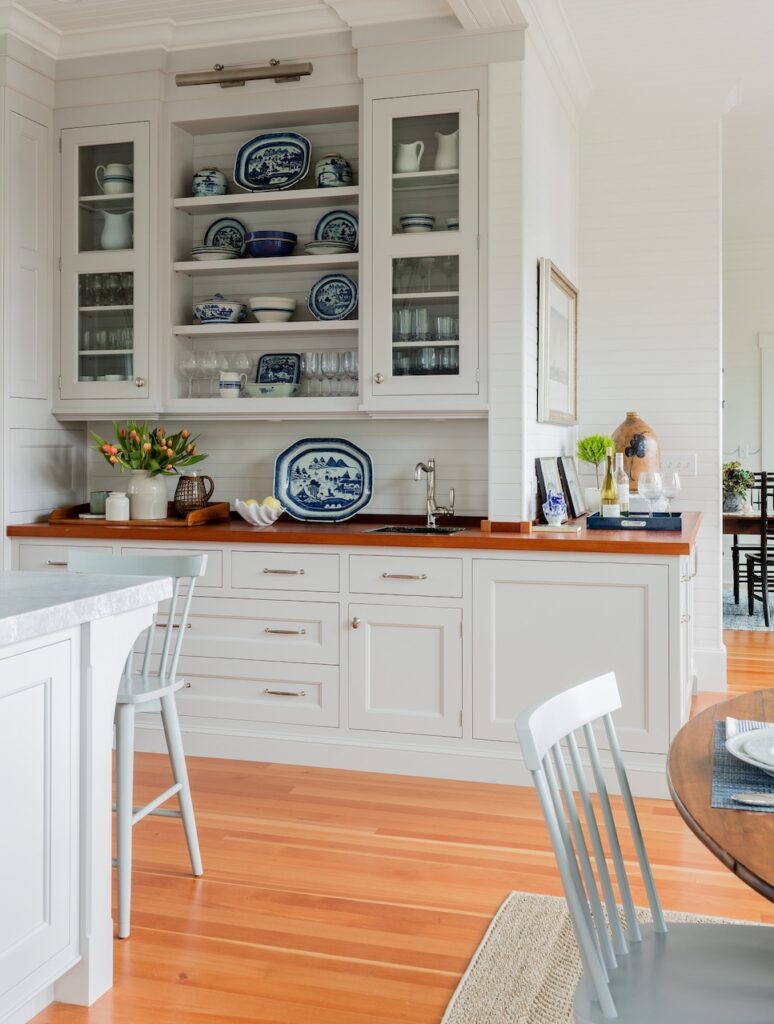
Over time, these ceramics become woven into a home’s identity. More than just their role as decorative accents, they become:
Markers of memory — tied to specific moments, gifts, or milestones
Symbols of connection — representing the people who gather around them
Everyday art — bringing craftsmanship into daily rituals, whether displayed on a wall or set at the table
Whether displayed on a wall or arranged across a dining table, their timeless patterns connect artistry with the rituals of everyday life.

Two Stories in One Object
Each ceramic holds two narratives at once: the story of its creation and the story unfolding around it. It speaks of the artisan who carefully shaped and painted it, and of the family who will celebrate milestones, share meals, and create traditions in its presence. As years pass, these pieces quietly bear witness to conversations, celebrations, and everyday moments that shape a home’s character and become part of its legacy.

How to Style Blue-and-White Ceramics at Home
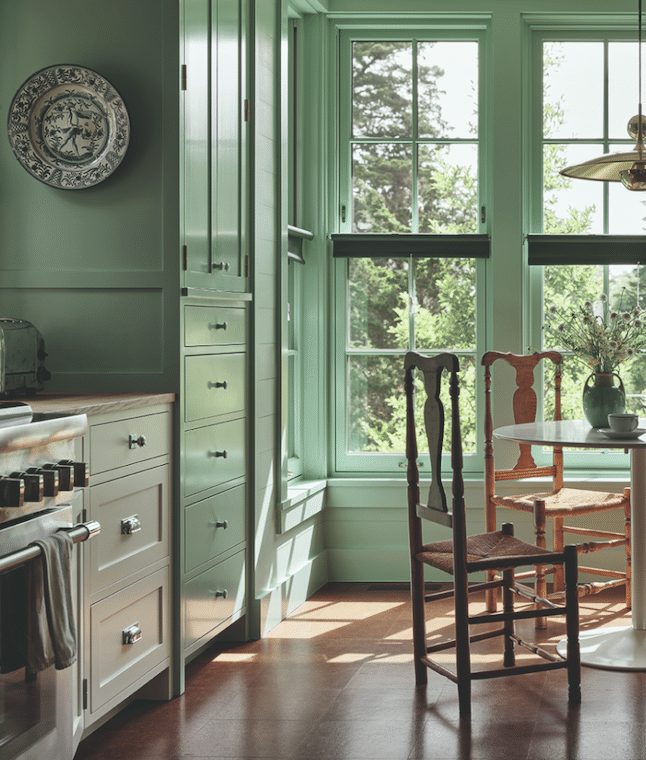
Beyond their sentimental value, blue-and-white ceramics also serve as versatile design elements. Their classic palette complements a wide range of interiors, effortlessly pairing with textiles, paint colors, natural materials, and collected antiques. Popular ways to use them include:
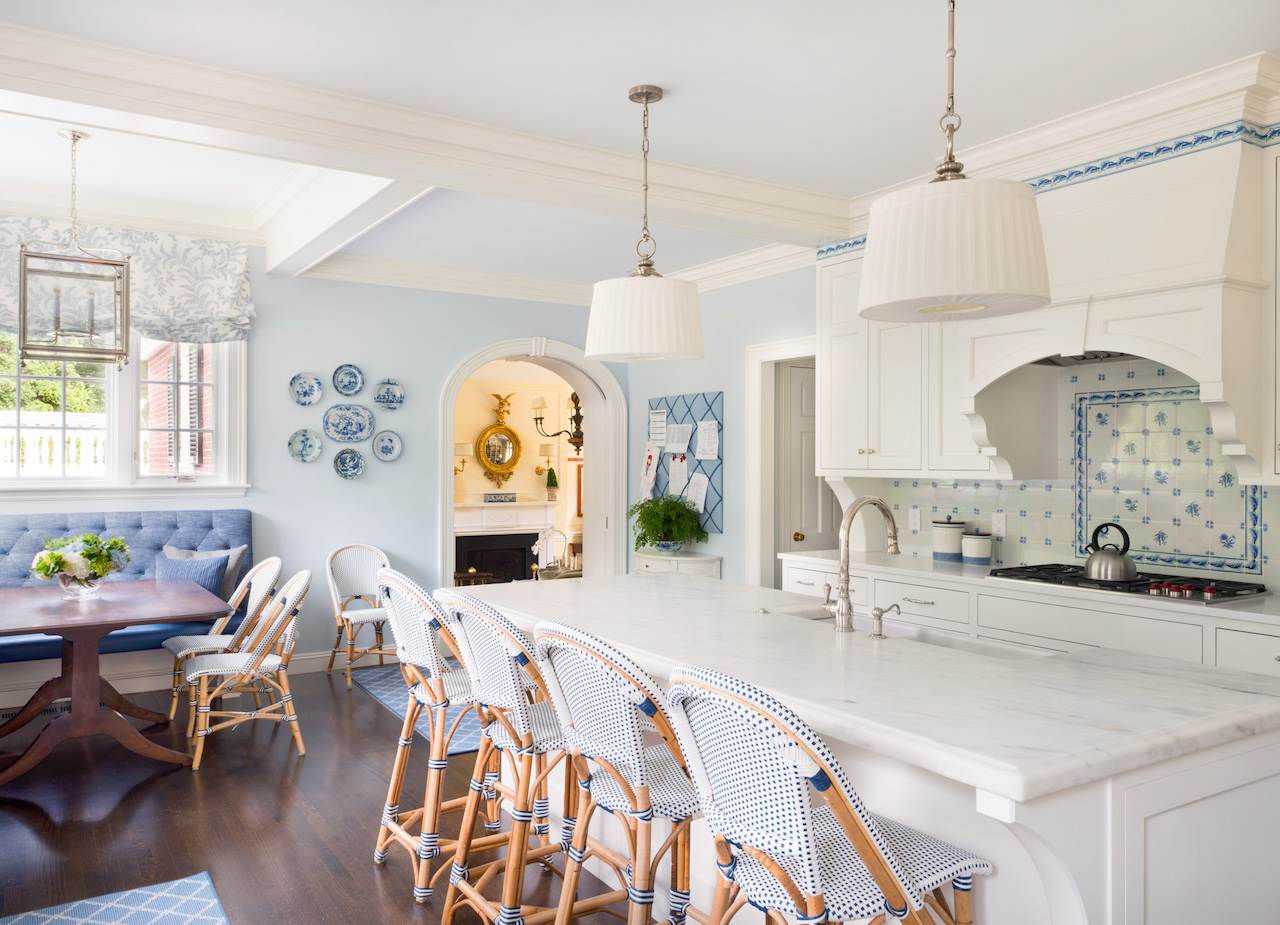
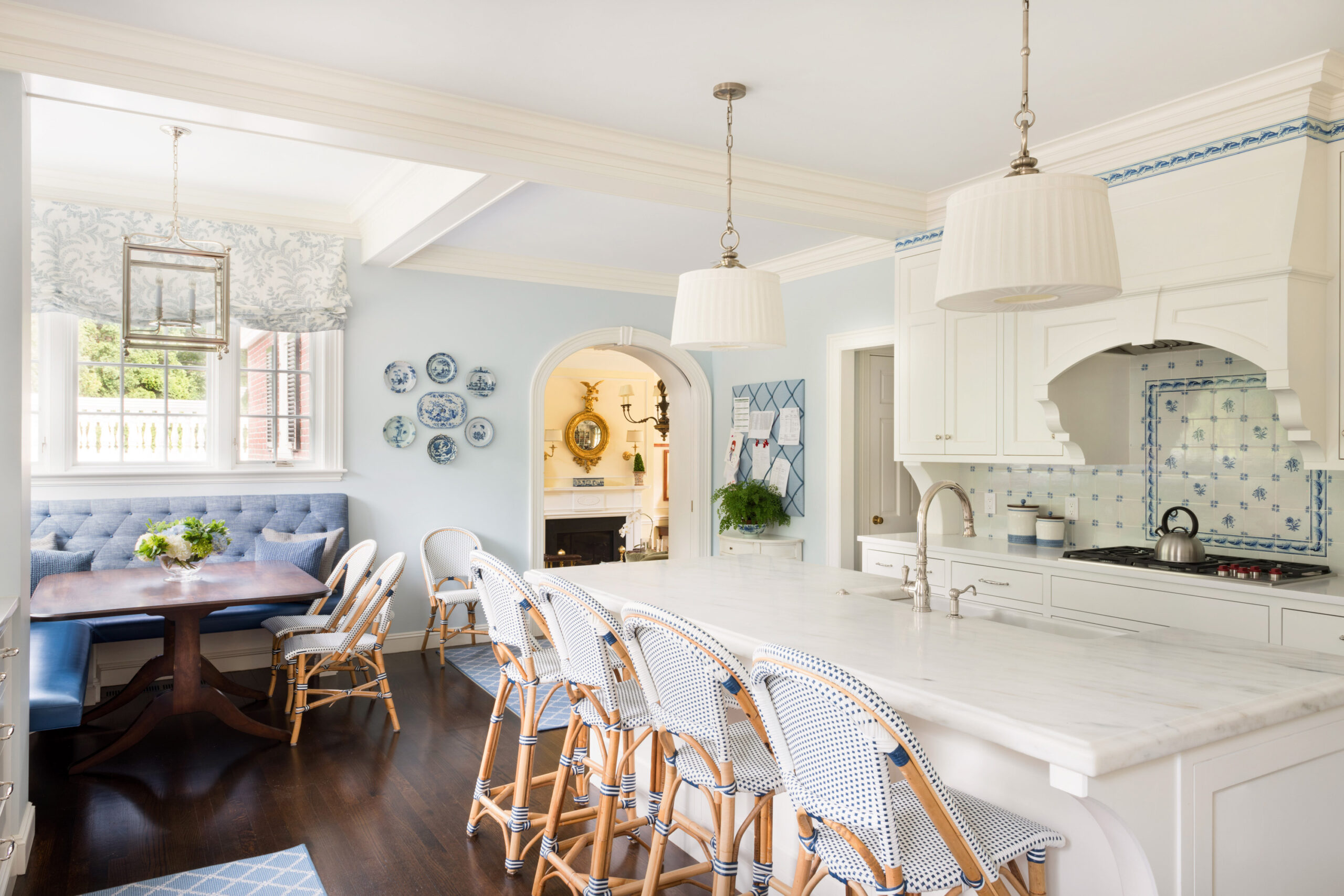
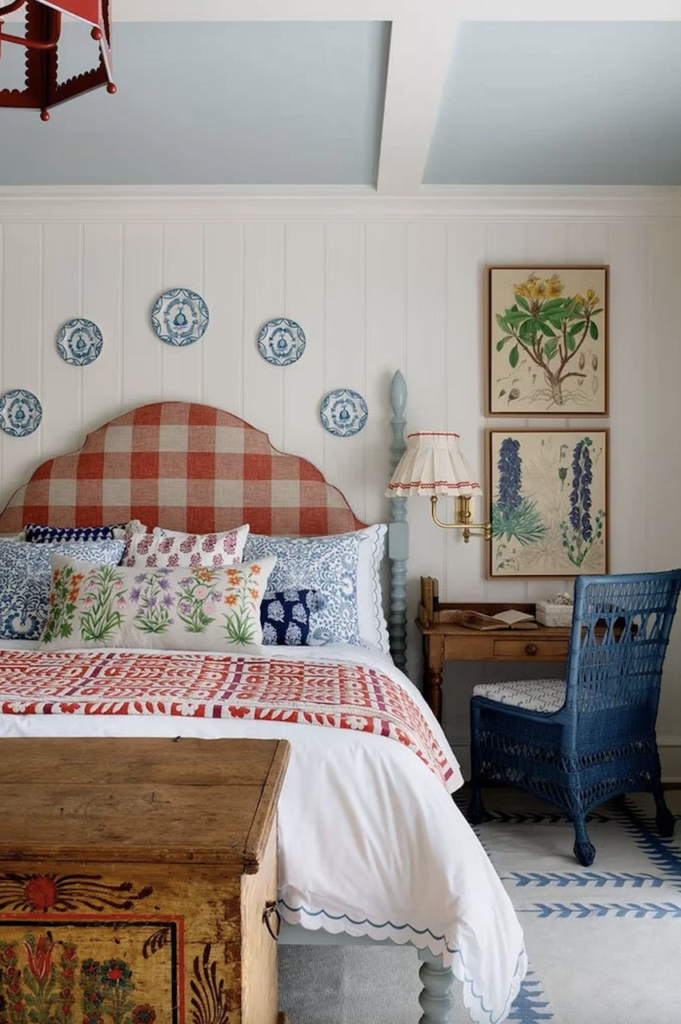
Home walls — arranging ceramics of varying sizes for visual rhythm and depth or as tiling
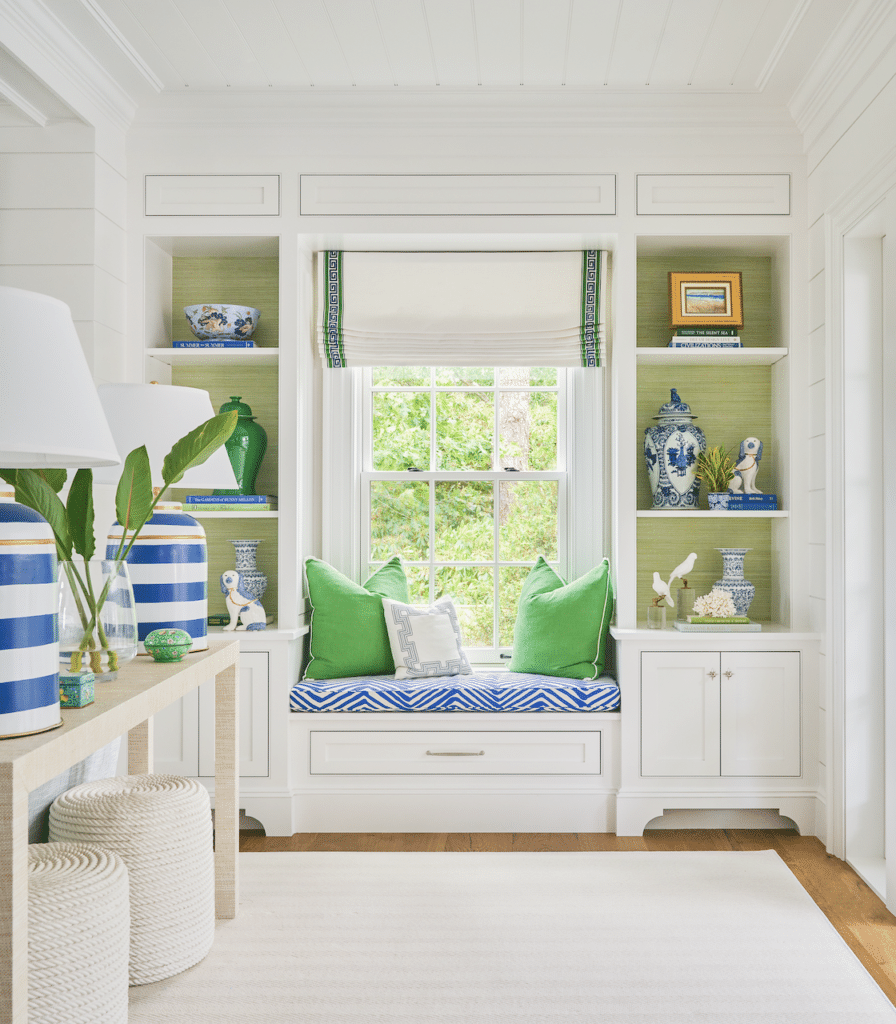
Open shelving — displaying them alongside books, glassware, or plants for everyday texture
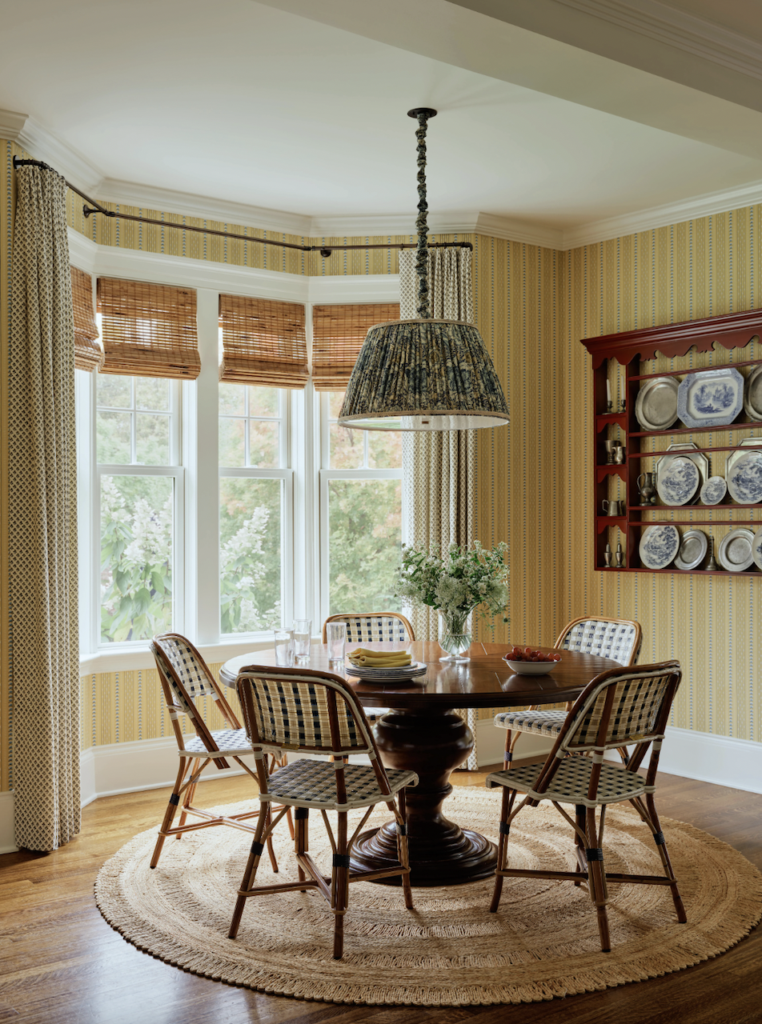
Functional tableware — using them at the table to bring artistry into daily meals
Each approach creates visual continuity while adding depth, texture, and personality to a space.
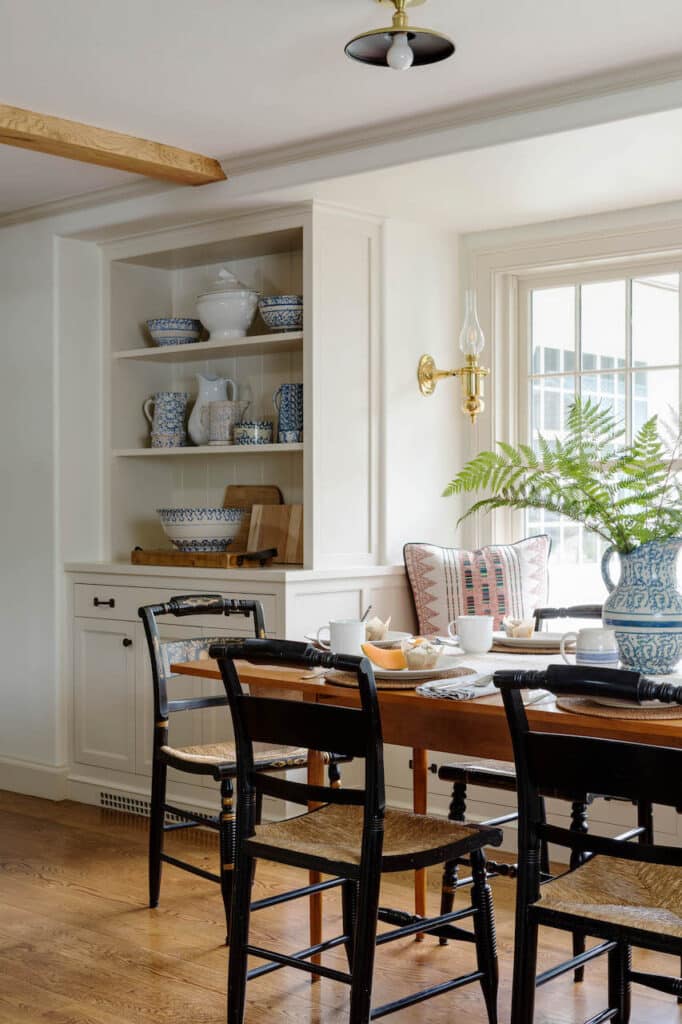
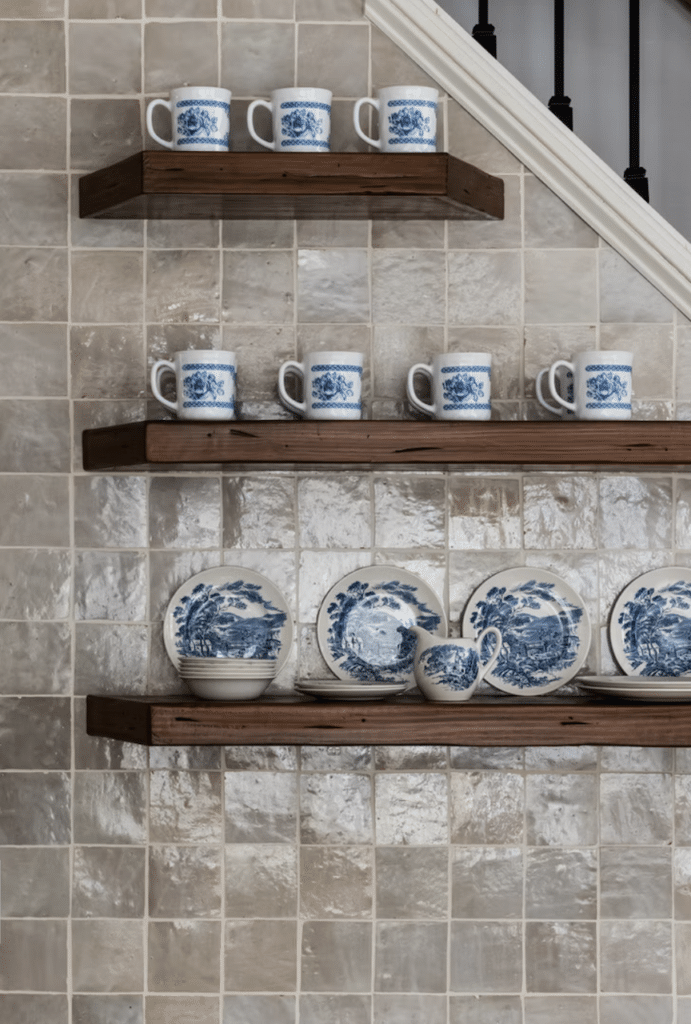
A touch of blue-and-white ceramic is often the hallmark of a home that is deeply loved and thoughtfully curated. It is a celebration of craftsmanship, an appreciation for enduring design, and a quiet reminder that the most meaningful objects are those that continue to gather stories, one generation after the next.