

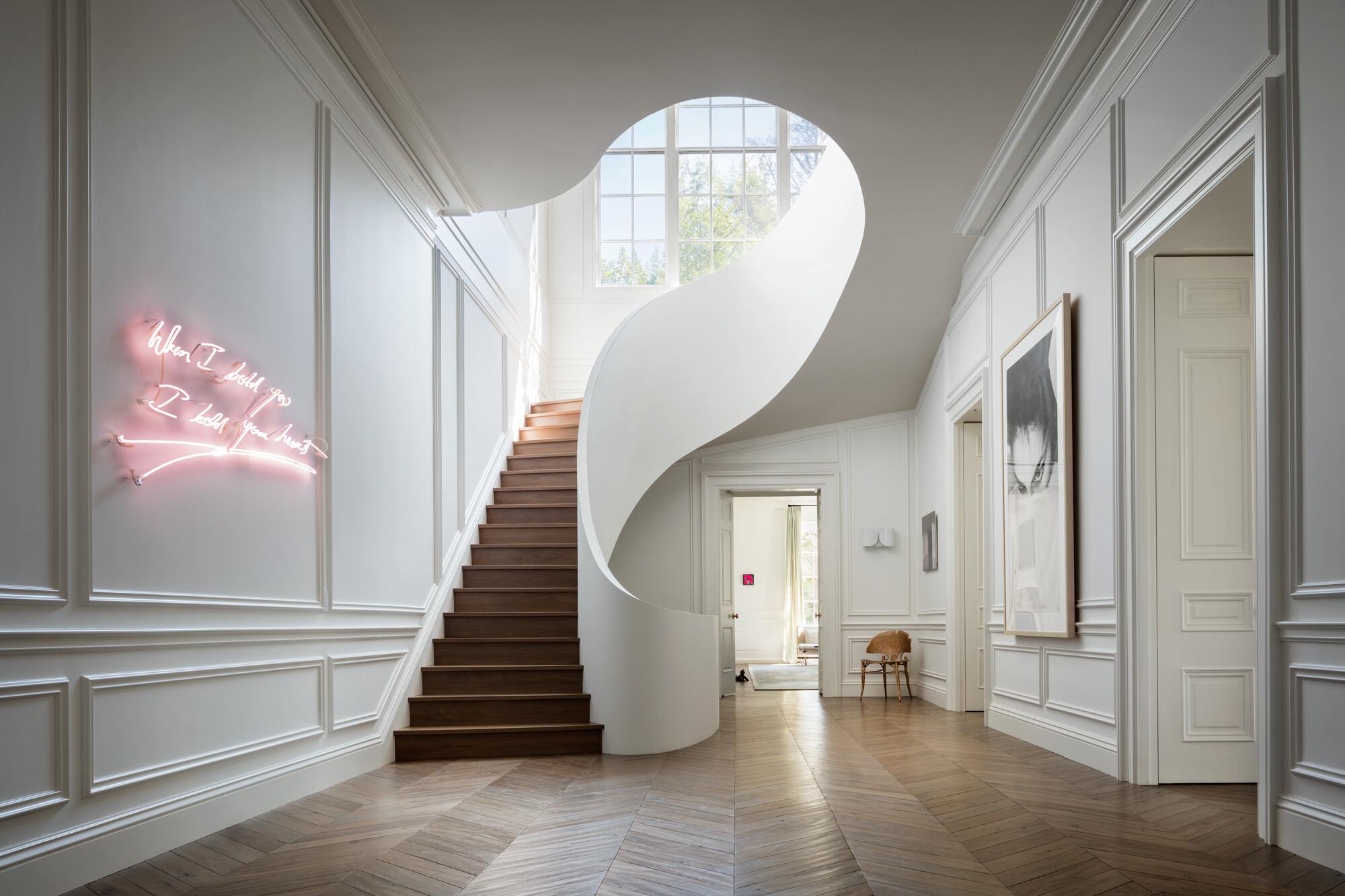
Elements of the Modern Home: A Guide to Modern Architecture and Design
Modern homes have long captivated designers and homeowners alike through their understated elegance, functionality, and enduring appeal. A modern design philosophy embraces simplicity, clean lines, and a thoughtful relationship between the built environment and nature. Every decision from the floor plan to the material palette is intentional, creating spaces that are both practical and beautiful.
Whether you are crafting a new home, renovating an existing one, or exploring which architectural style suits you best, understanding the defining characteristics of modern home design can help you appreciate what makes this style timeless yet current.
Natural Light Shapes the Experience

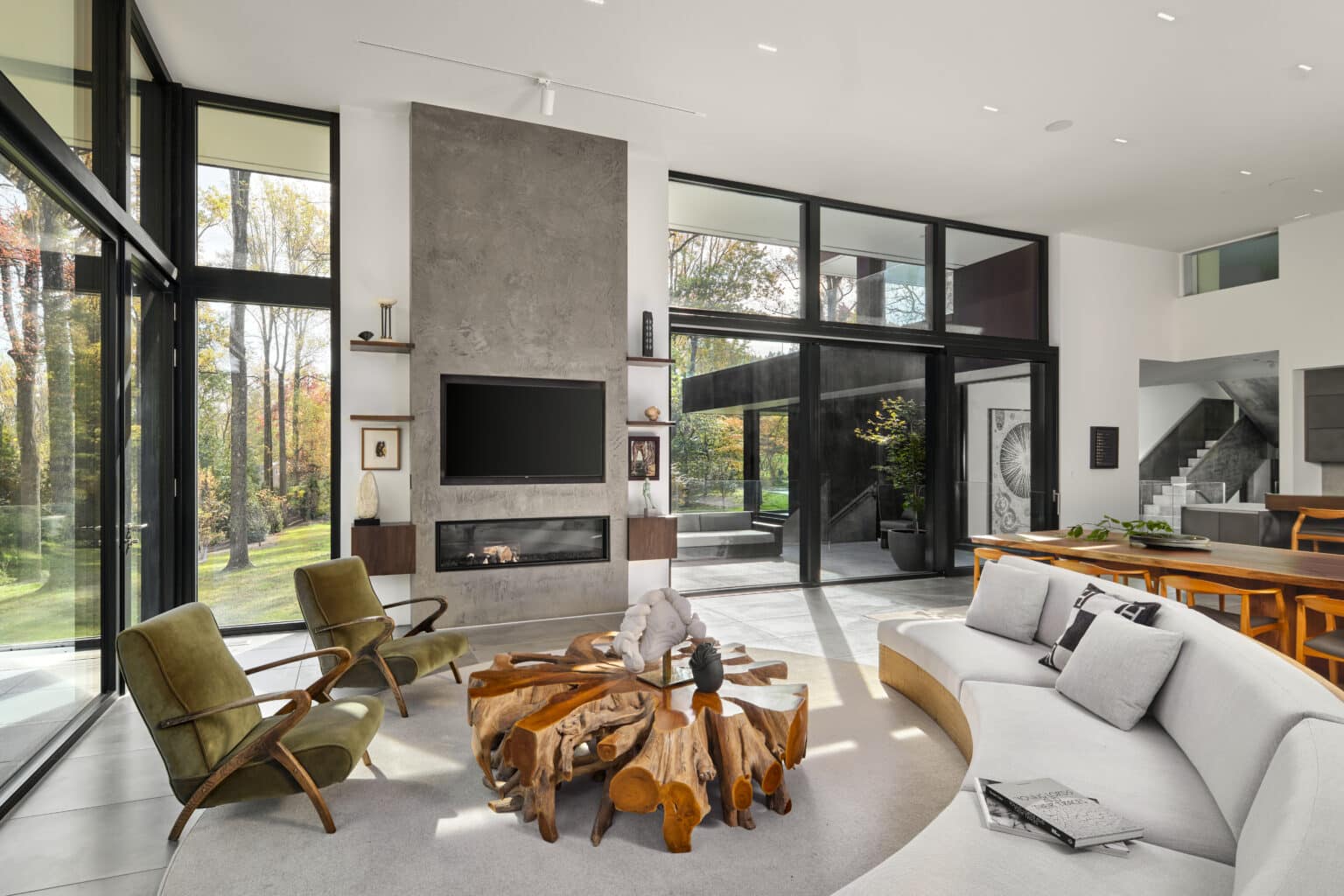
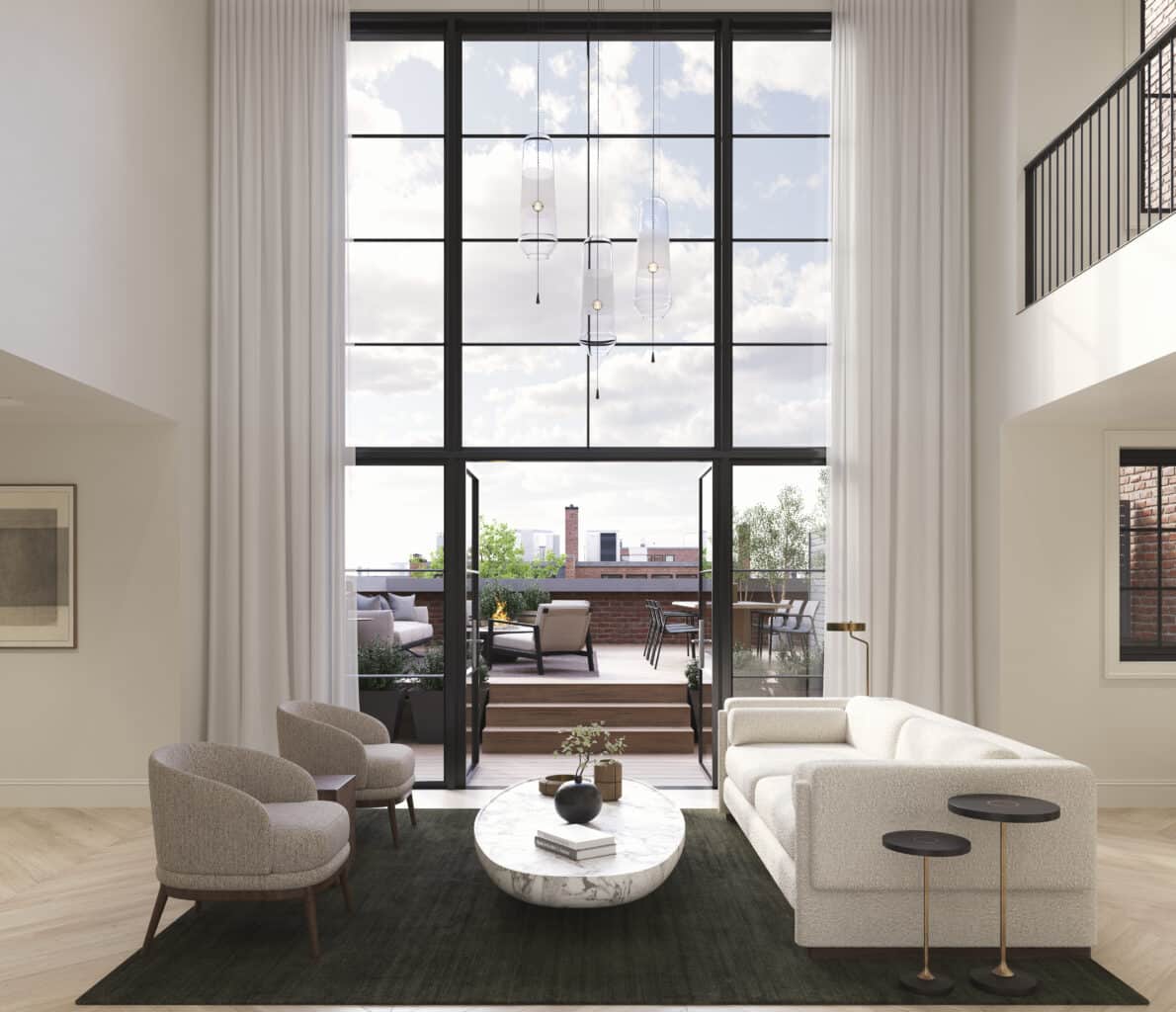
Natural light plays a central role in modern home design. Expansive windows, floor-to-ceiling glass walls, clerestory windows, and oversized sliding doors invite daylight into the home while framing views of the surrounding landscape.
Rather than treating windows as purely functional, modern architecture often positions them as focal points. As sunlight shifts throughout the day, the home’s atmosphere evolves alongside it, creating spaces that feel dynamic and connected to a natural circadian rhythm. Large glass openings also blur the boundary between indoors and outdoors, encouraging patios, gardens, and outdoor living spaces to become natural extensions of the home.
A Minimalist Mindset
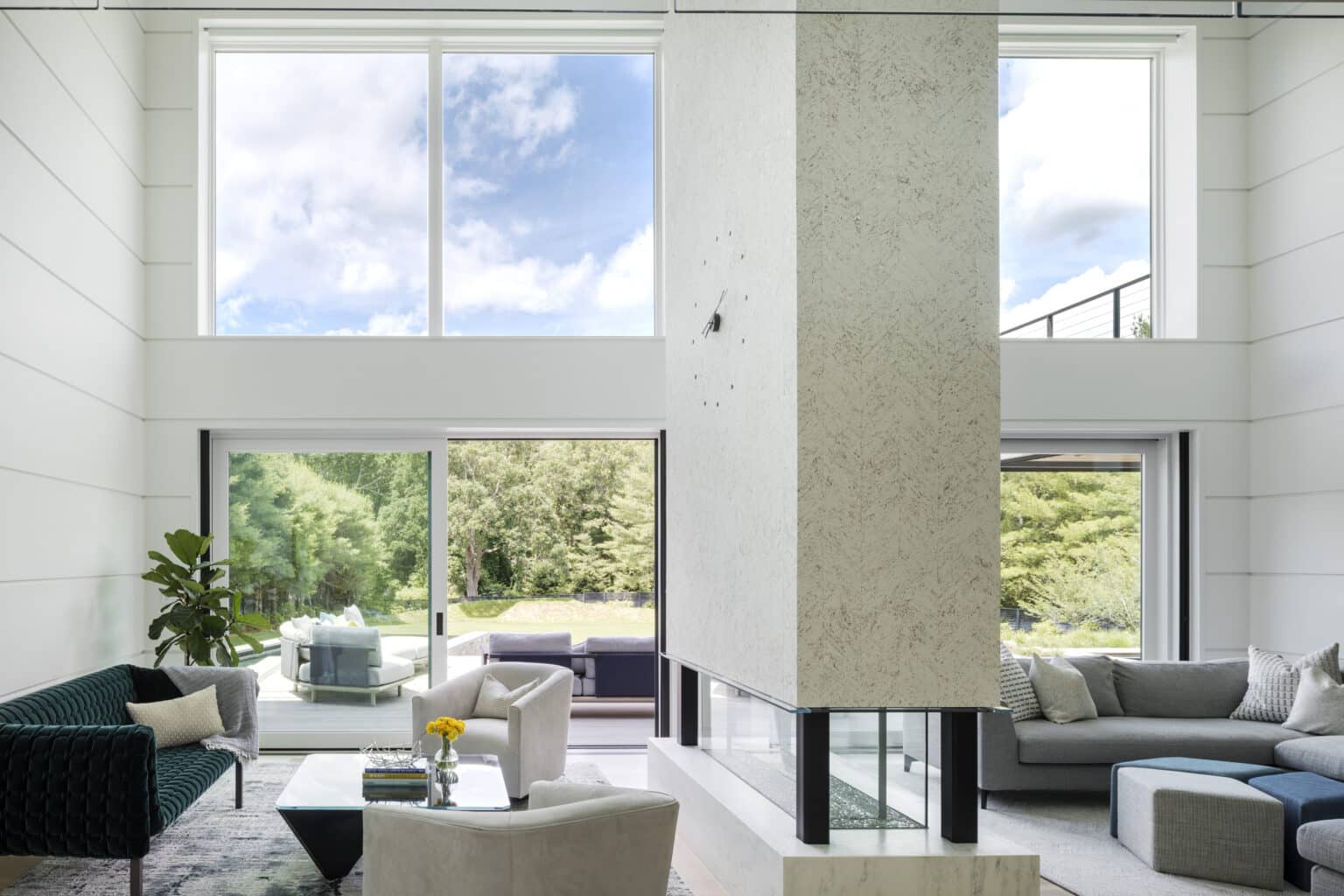
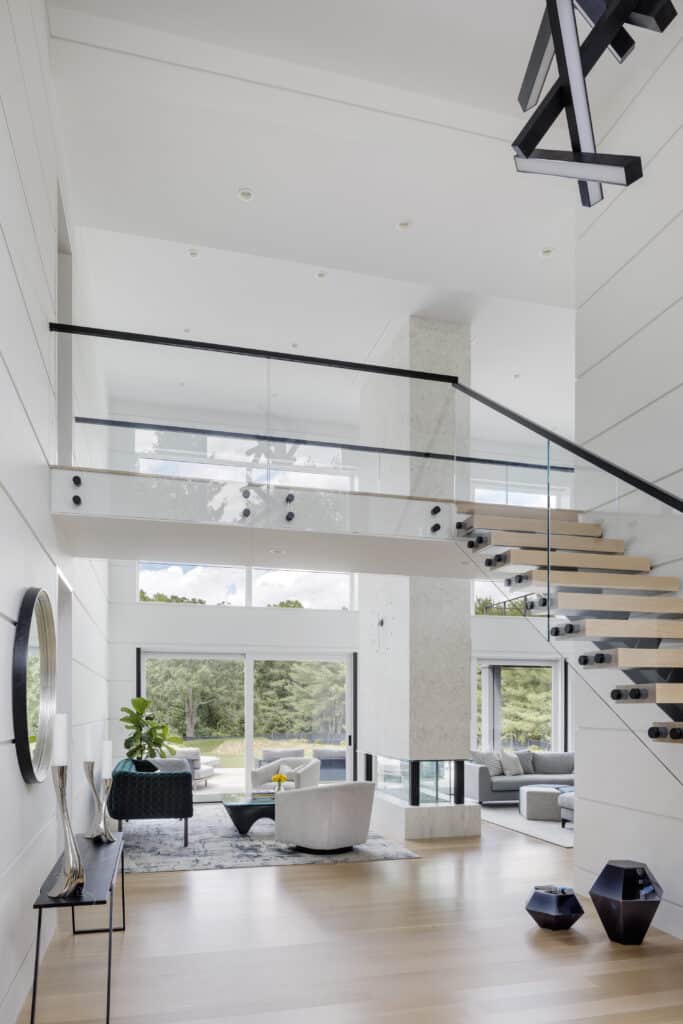
Minimalism is often associated with modern homes, but it extends far beyond simply owning fewer belongings. Instead, it reflects a philosophy of intentional design.
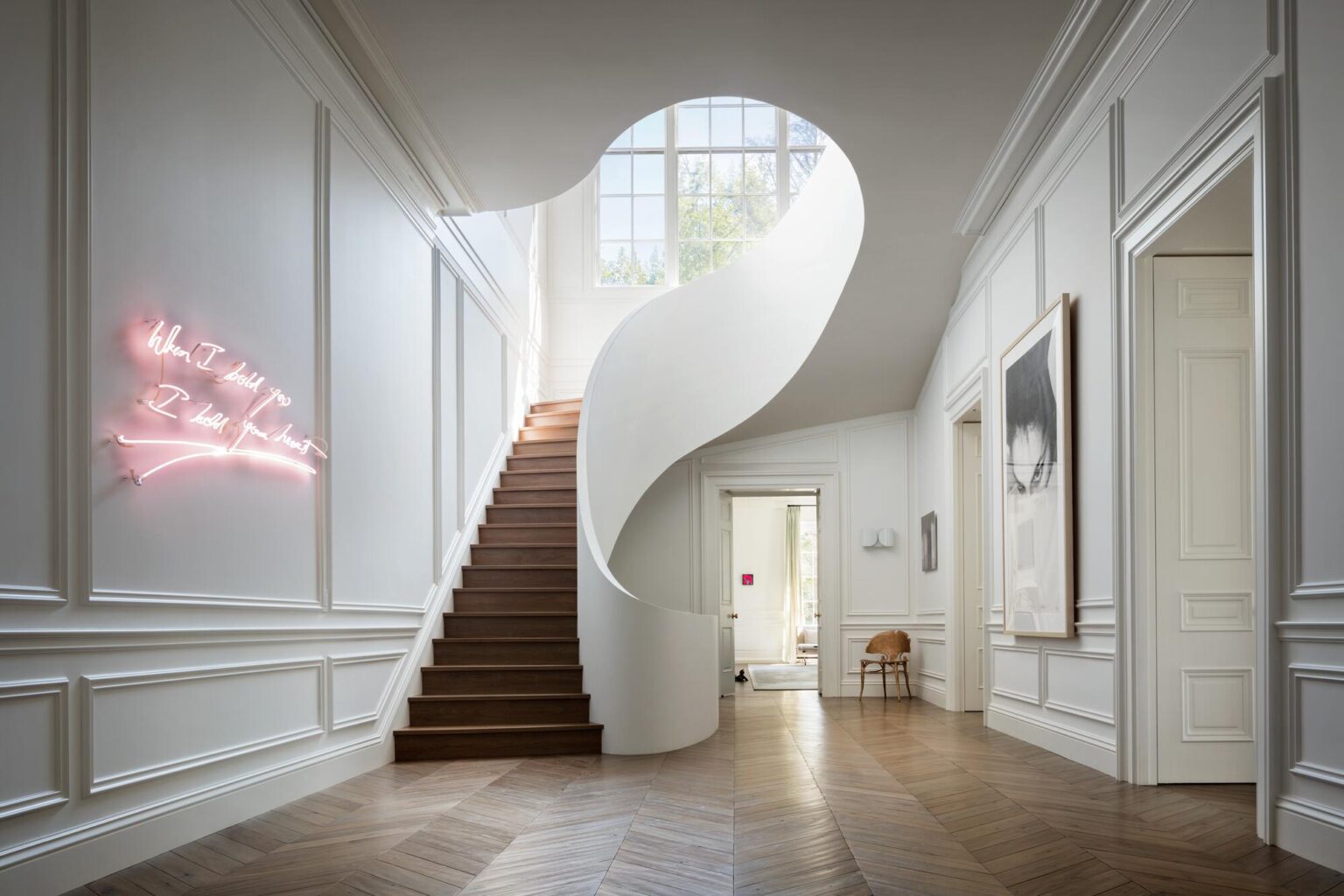
Every element serves a purpose, and unnecessary ornamentation is removed in favor of clean forms and thoughtful detailing. Furnishings tend to feature simple silhouettes, while architectural details remain understated, allowing proportion, light, and materiality to become the focal points. Rather than feeling empty, a well-designed modern home feels calm, balanced, and carefully curated.
Neutral Color Palettes Let Materials Shine
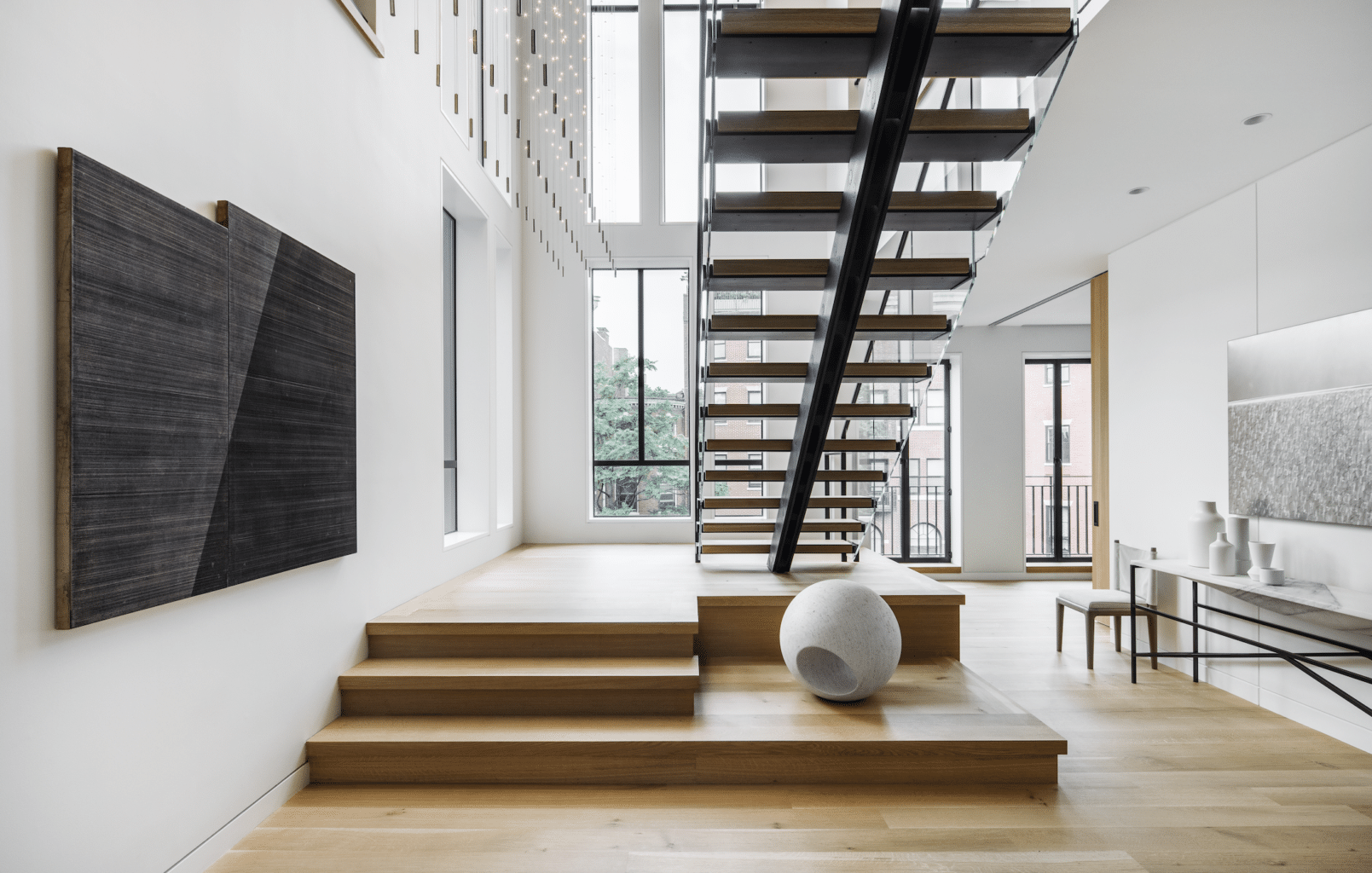
Modern interiors often rely on restrained color palettes inspired by nature. Crisp whites, warm grays, charcoal tones, soft blacks, and natural wood finishes create a quiet backdrop that allows architecture and materials to take the spotlight.
Rather than relying on bold color, modern homes achieve visual richness through texture and contrast. Wood, stone, metal, concrete, and glass work together to create depth while maintaining a cohesive aesthetic, creating a palette that remains versatile, sophisticated, and enduring.
Open Floor Plans Create Flow
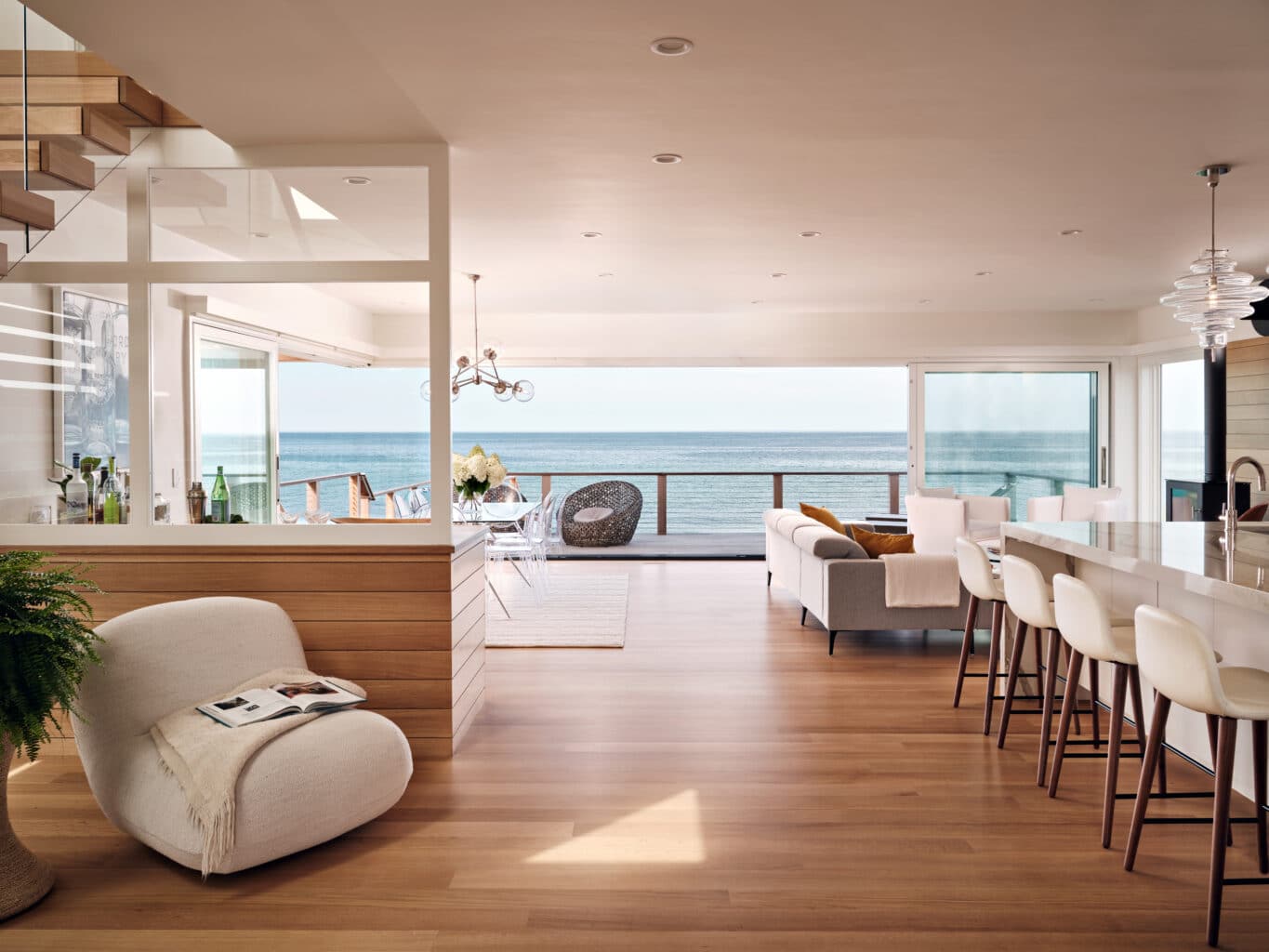
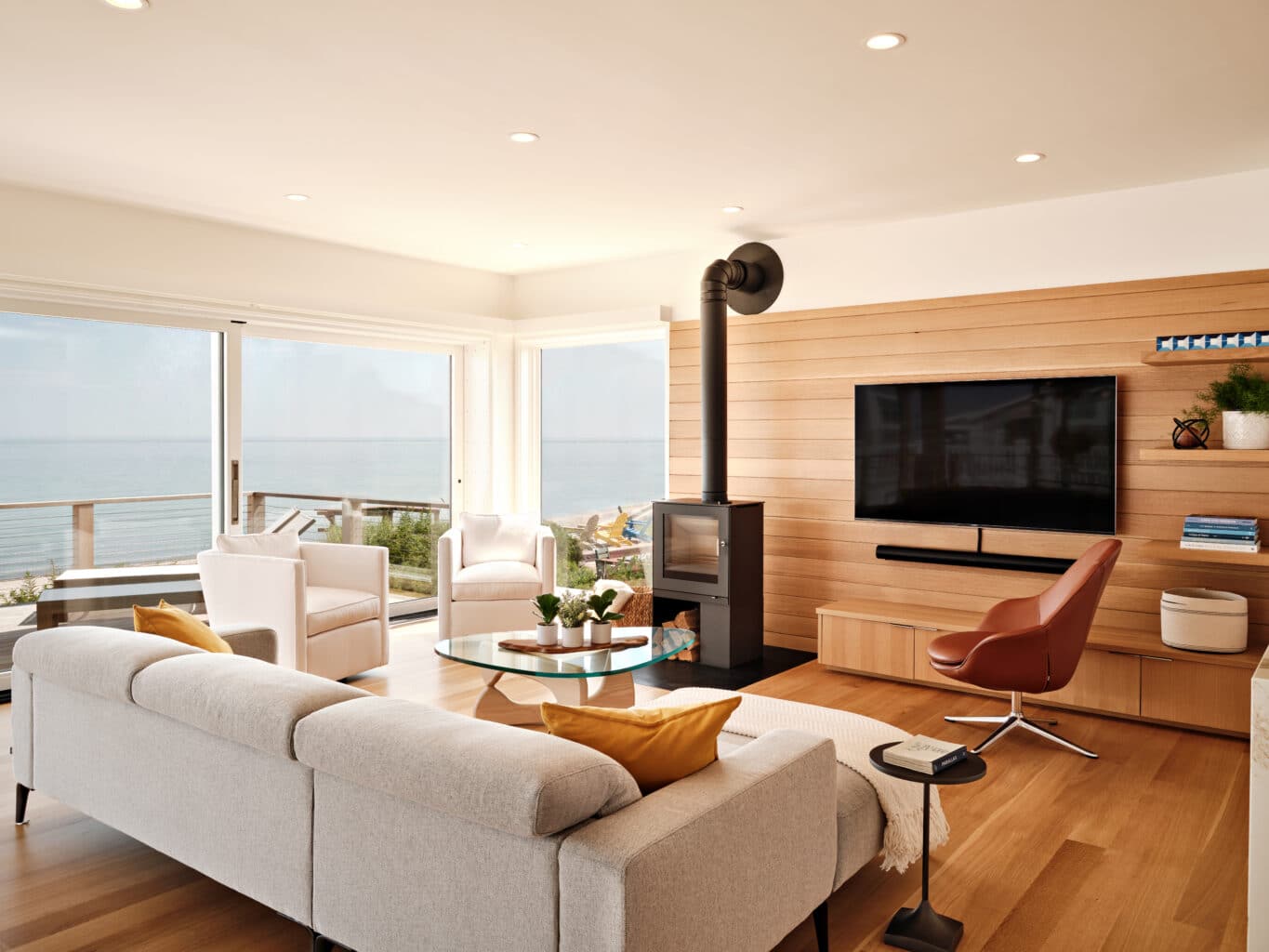
One of the most recognizable features of a modern home is its open floor plan. Rather than separating rooms with walls and hallways, modern layouts encourage a seamless transition between the kitchen, dining, and living areas.
This openness creates a greater sense of space while allowing each room to serve multiple purposes throughout the day. Families can cook, entertain, work, and gather together without feeling confined, making the home feel both spacious and connected. Open floor plans also maximize natural light, allowing it to travel freely throughout the interior.
Honest Materials Take Center Stage
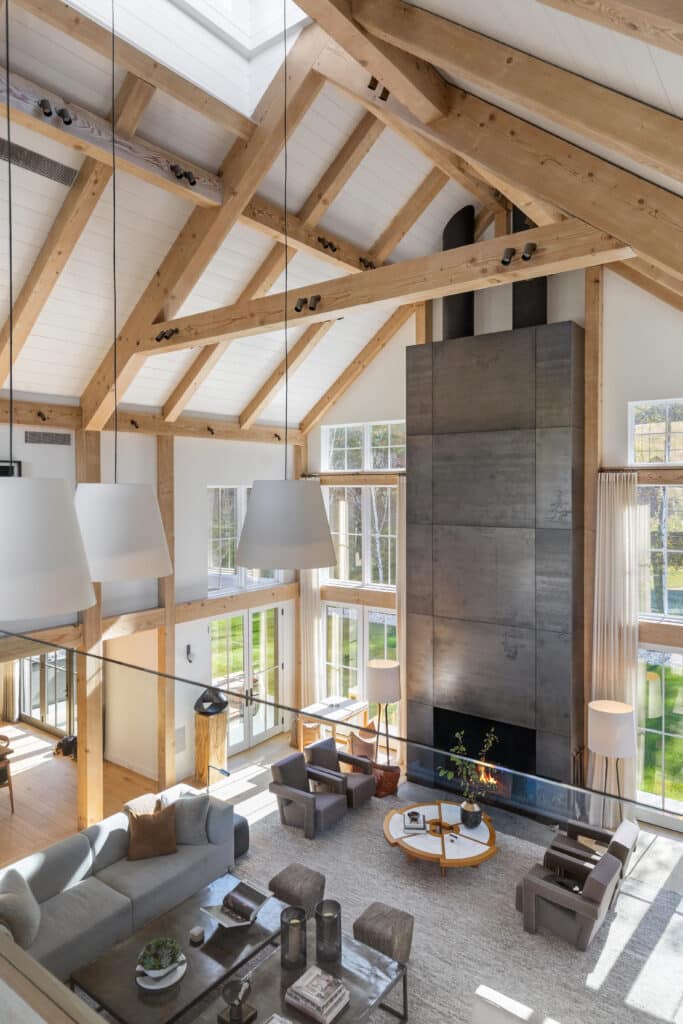
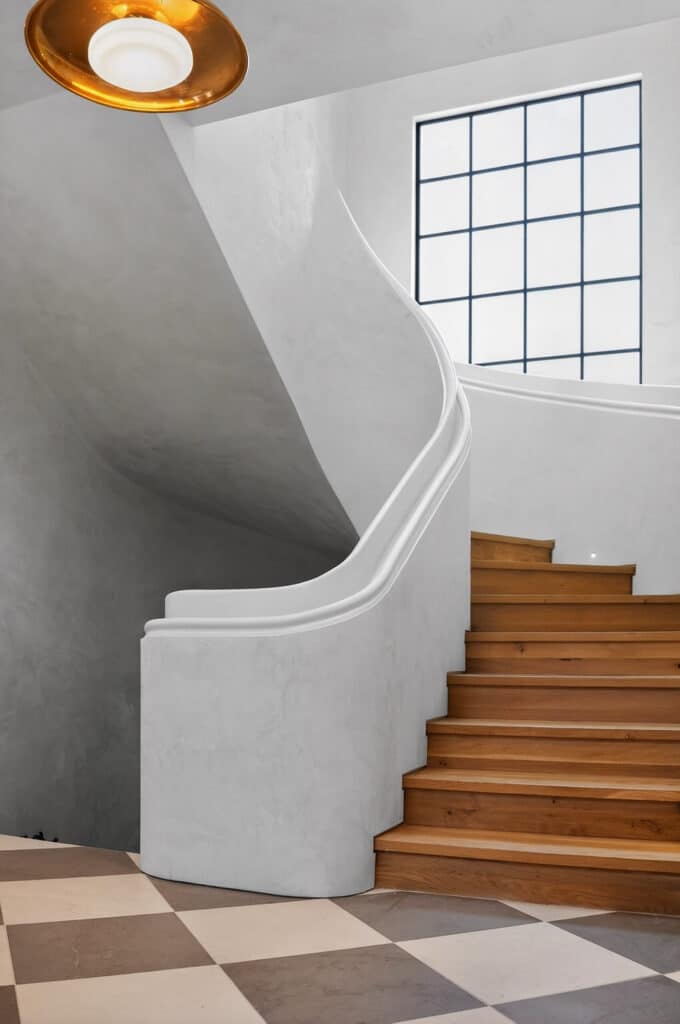
Modern architecture celebrates the beauty of materials in their natural state. Instead of concealing structural elements, designers often choose to highlight them.
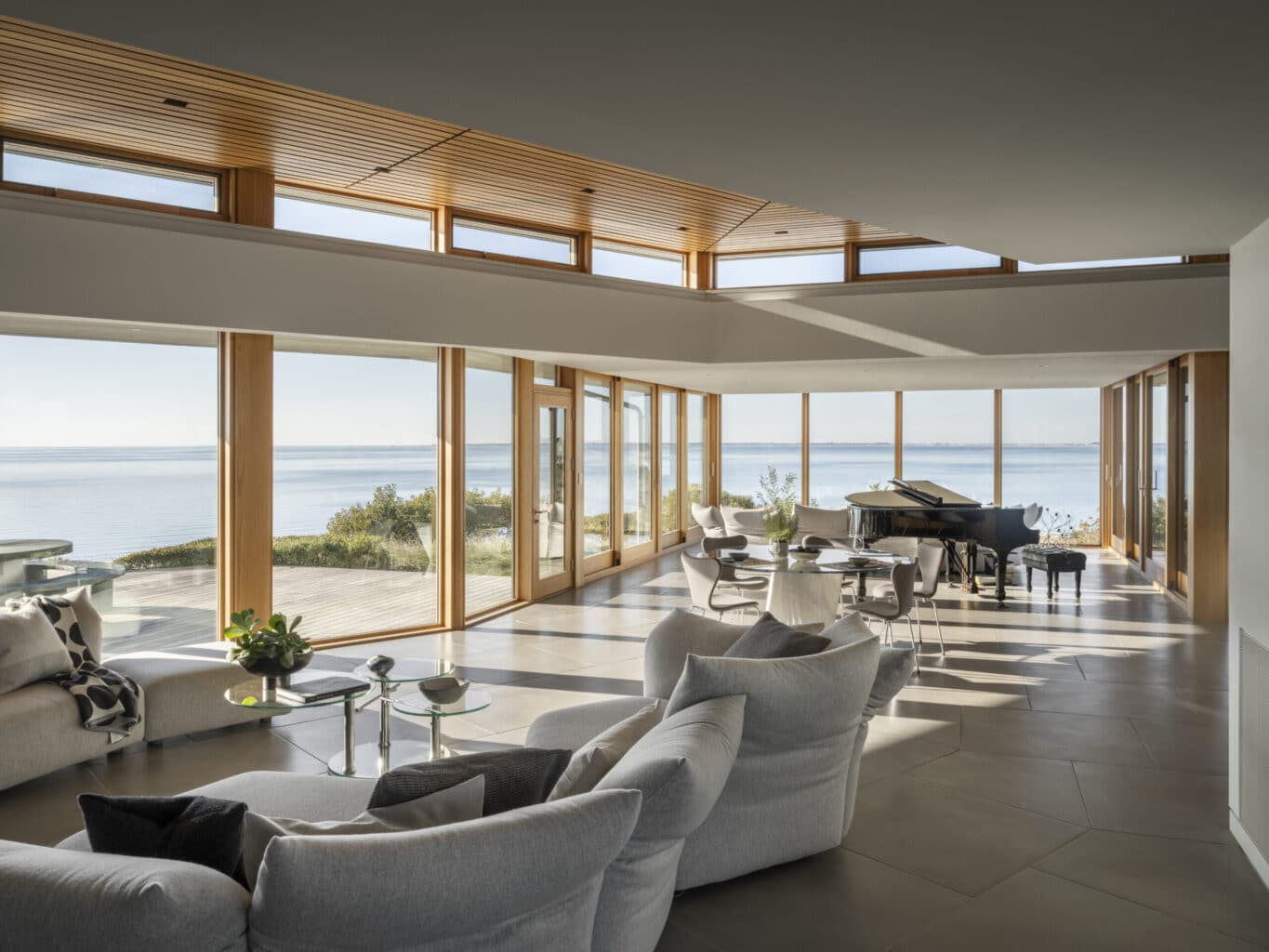
Wood beams, exposed brick, poured concrete, natural stone, steel, and glass become architectural features rather than hidden components. Their authentic textures introduce warmth and depth while emphasizing craftsmanship and durability, creating a home that feels refined without being overly ornamental. This appreciation for honest materials reflects one of modernism’s core beliefs: beauty can be found in simplicity and function.
Geometric Forms Define the Architecture
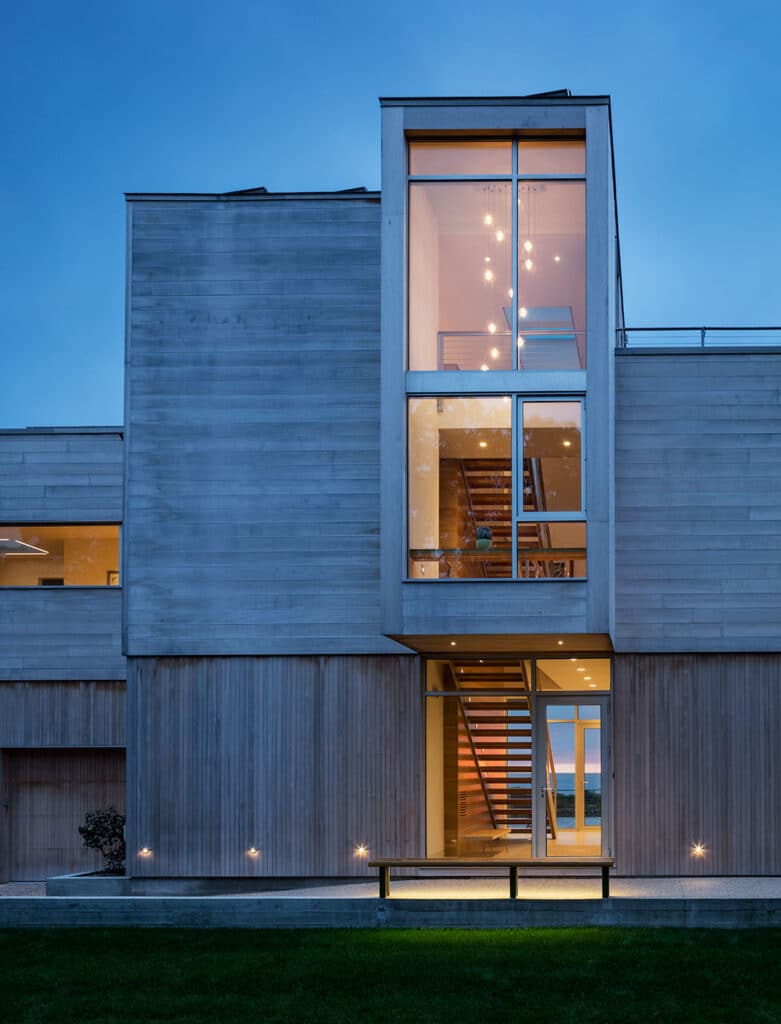
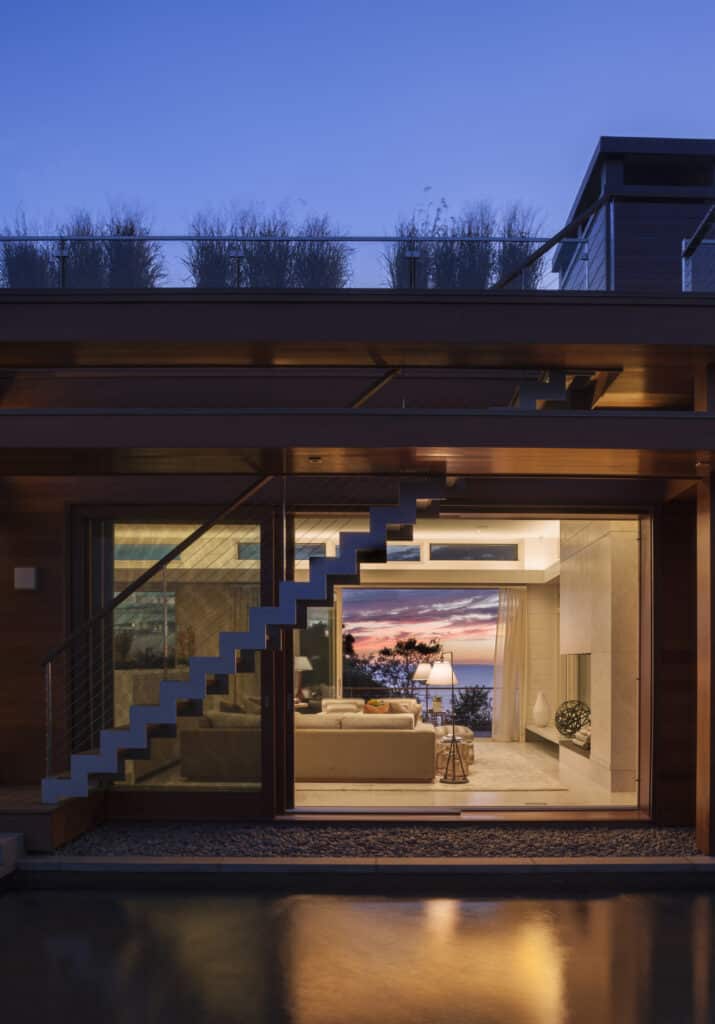
Modern architecture is characterized by bold geometric forms and strong architectural lines. Many homes feature rectangular volumes, flat or low-pitched roofs, cantilevered elements, and asymmetrical compositions that create visual interest without excessive decoration.
Inside, these architectural principles continue through sculptural furnishings, statement lighting, and curved design elements that soften the home’s linear framework. The combination of crisp geometry and organic curves creates interiors that feel contemporary while remaining timeless.
The Lasting Appeal of Modern Homes
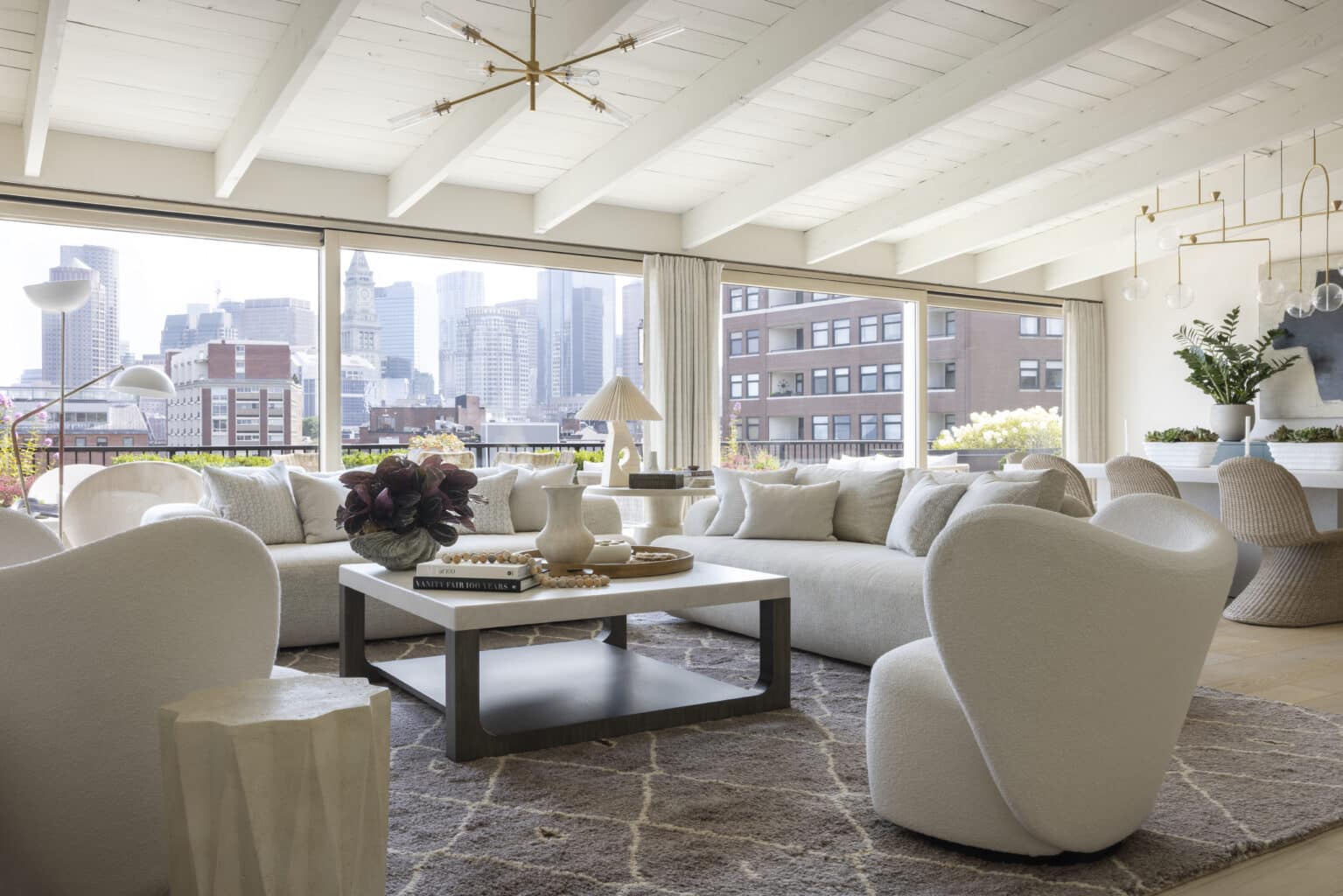
Modern homes continue to resonate because they strike a thoughtful balance between beauty and functionality. Open floor plans encourage connection, natural light enhances well-being, and honest materials celebrate craftsmanship without unnecessary excess. Every architectural decision is intentional, creating spaces that feel both sophisticated and livable.
Though design trends will inevitably evolve, the principles of modern architecture remain as relevant today as ever. It’s this enduring philosophy that continues to make modern homes a timeless source of inspiration for architects, builders, designers, and homeowners alike.
